Analysis: U.S. sanctions on Iran have a big impact, but not necessarily in the intended places
Sanctions are a long-used tool designed as an alternative to military force and with the objective of changing governments’ behaviour, but they also...
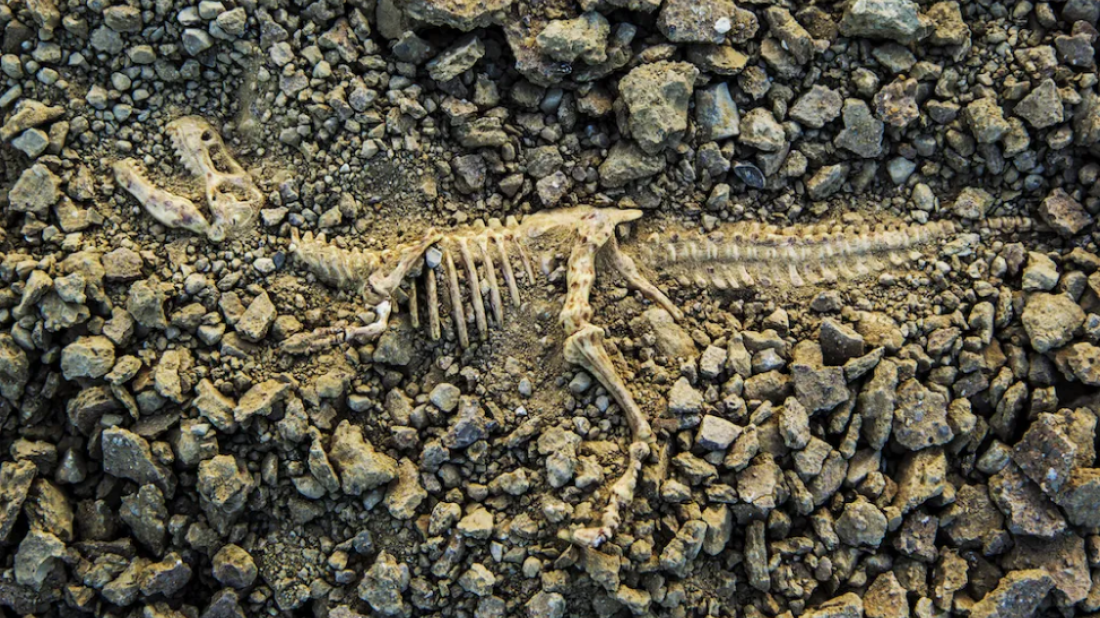
A team of Argentine paleontologists has uncovered one of the oldest known dinosaurs, a nearly complete skeleton of a long-necked herbivore that roamed Earth 230 million years ago in what is now La Rioja province.
The new species, Huayracursor jaguensis, lived during the Late Triassic period, a critical era for the evolution of early dinosaurs and mammalian ancestors. The fossil was discovered in the remote Quebrada de Santo Domingo, over 3,000 meters above sea level, in a previously unexplored geological basin, offering scientists a rare glimpse into Earth’s rapidly expanding biodiversity.
“It’s been 50 years since new fossil sites of this age have been found anywhere in the world. They are very few,” said Julia Desojo, president of the Argentine paleontological association.
The research team, comprising experts from CONICET, the Museo Argentino de Ciencias Naturales, CRILAR, and several national universities, recovered a remarkably well-preserved skeleton. The fossil includes parts of the skull, a complete vertebral column, and both forelimbs and hindlimbs. Its anatomical features — notably an elongated neck nearly two meters long, indicate an early development of traits that would later define the sauropodomorph lineage, some of the largest land animals in history.
“It’s the first and oldest dinosauromorph ever characterized,” Desojo explained. “It’s the first record of its kind, so old, so ancient, with a neck that reaches nearly two meters.”
This discovery not only sheds light on the early evolution of dinosaurs but also highlights the scientific importance of Argentina in global paleontology, adding a key piece to the puzzle of prehistoric life.

Minnesota Governor Tim Walz has activated the state’s National Guard following the fatal shooting of a U.S. citizen in Minneapolis, an incident that has triggered protests and intensified tensions between state and federal authorities.
Venezuela’s interim president Delcy Rodriguez said on Sunday the country should not fear pursuing energy ties with the United States, as Caracas seeks to expand oil and gas production and attract foreign investment.
Iran’s Foreign Ministry has strongly rejected a U.S. magazine report on the death toll during January unrest. Nationwide protests erupted in response to soaring inflation and a national currency crisis.
A mosaic portrait of Pope Leo XIV was illuminated on Sunday at the Basilica of St. Paul Outside the Walls in Rome, continuing a centuries-old Vatican tradition marking the election of a new pope.
Libya signed a series of multilateral agreements with international and regional partners, including Türkiye, aimed at boosting energy production, accelerating investment and deepening cooperation in the energy sector on Saturday.
Several people, including children, were reported missing in New Zealand's north island on Thursday after a landslide struck a coastal campsite amid heavy rain that caused evacuations of people to safety, road closures and widespread power outages.
At least four people were killed on Tuesday as floods swept across Tunisia during the worst torrential rain for more than 70 years in some regions, and there were fears the death toll could rise, authorities said.
The world has already entered an era of global water bankruptcy, with irreversible damage to rivers, aquifers, lakes and glaciers pushing billions of people into long-term water insecurity, according to a major United Nations report released on Tuesday.
Chilean President Gabriel Boric declared a state of catastrophe in two southern regions of country on Sunday as raging wildfires forced at least 20,000 people to evacuate and left at least 19 people dead.
A landmark global treaty to safeguard biodiversity in the high seas came into effect on Saturday, providing countries with a legally binding framework to tackle threats and meet a target to protect 30% of the ocean environment by 2030.
You can download the AnewZ application from Play Store and the App Store.
What is your opinion on this topic?
Leave the first comment