Scientist and global activist Jane Goodall, who turned her childhood love of primates into a lifelong quest for protecting the environment, has died at the age of 91, the institute she founded said on Wednesday.
Goodall died of natural causes while in California on a speaking tour, the Jane Goodall Institute said in a social media post.
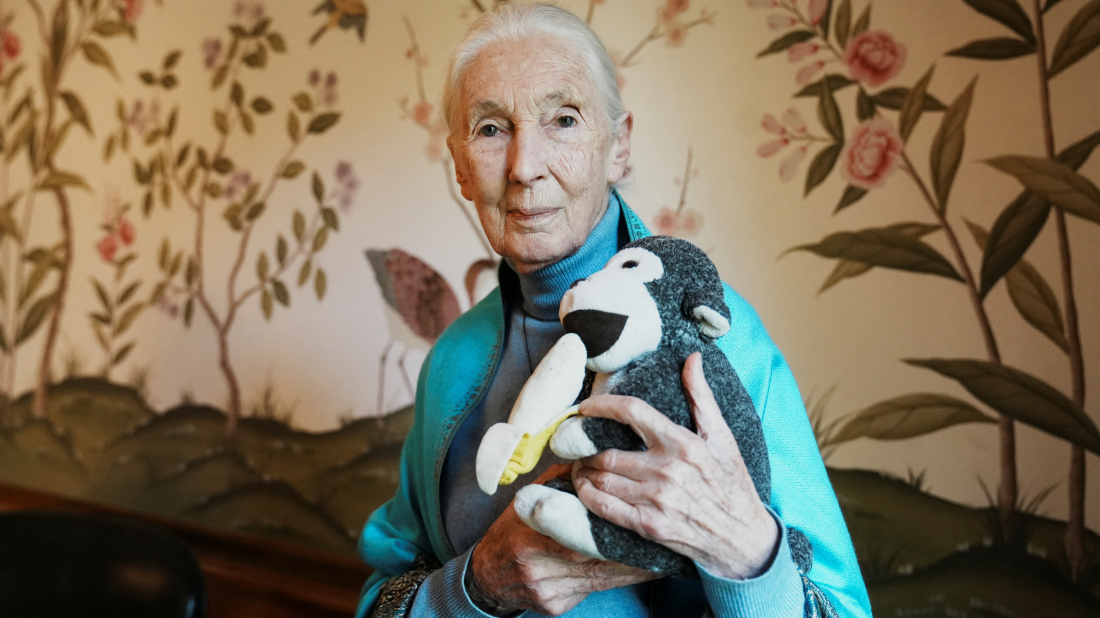
Born in London in 1934 and raised in Bournemouth, Goodall’s fascination with animals began as a child with a stuffed gorilla and books such as Tarzan and Dr. Dolittle. That passion led her to Africa in 1957, where an encounter with anthropologists Louis and Mary Leakey set her on the path to study primates.
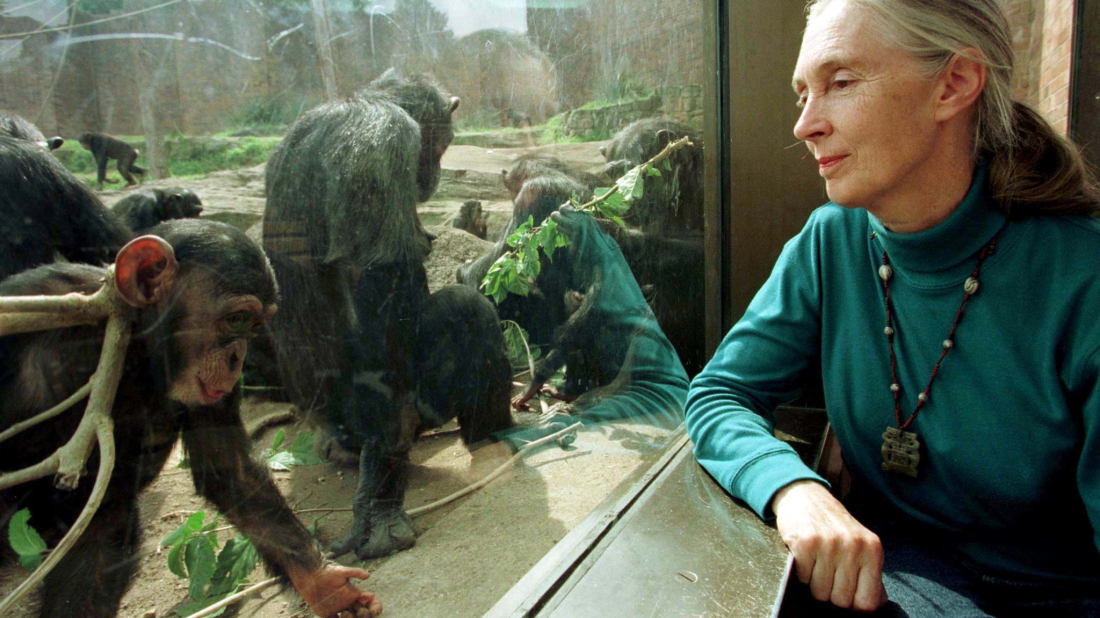
At Gombe Stream in Tanzania, Goodall made landmark discoveries: chimpanzees use tools, hunt, engage in complex social conflicts, and display distinct personalities. She gave individual chimpanzees names rather than numbers, challenging prevailing scientific norms.
"We have found that after all there isn't a sharp line dividing humans from the rest of the animal kingdom," she said in a 2002 TED Talk.
Goodall’s work reached a global audience through her partnership with National Geographic, bringing the chimpanzees of Gombe into households worldwide via television, film, and print. Her research not only advanced science but also drew attention to habitat destruction and conservation challenges.
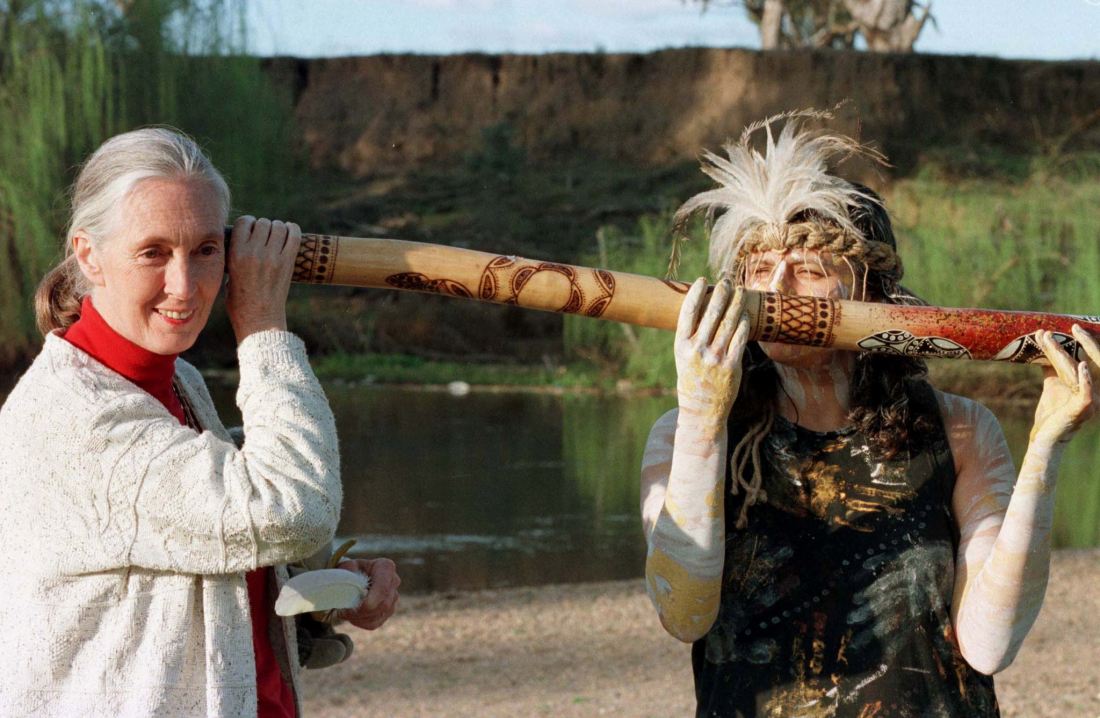
In 1977, she founded the Jane Goodall Institute, later expanding to include Roots & Shoots, a youth-focused conservation program. Over decades, she travelled extensively, meeting with governments, schools, and communities to advocate for wildlife and the environment.
"There's still a window of time," she told CNN in 2020, urging urgent action to protect the planet. She published more than 30 books, including Reason for Hope: A Spiritual Journey and works for children, inspiring generations to care for nature.
Goodall received numerous honours, including being named a Dame of the British Empire in 2003 and receiving the U.S. Presidential Medal of Freedom in 2025.
She leaves behind a lasting legacy as a scientist, conservationist, and tireless advocate for both wildlife and humanity.
























What is your opinion on this topic?
Leave the first comment