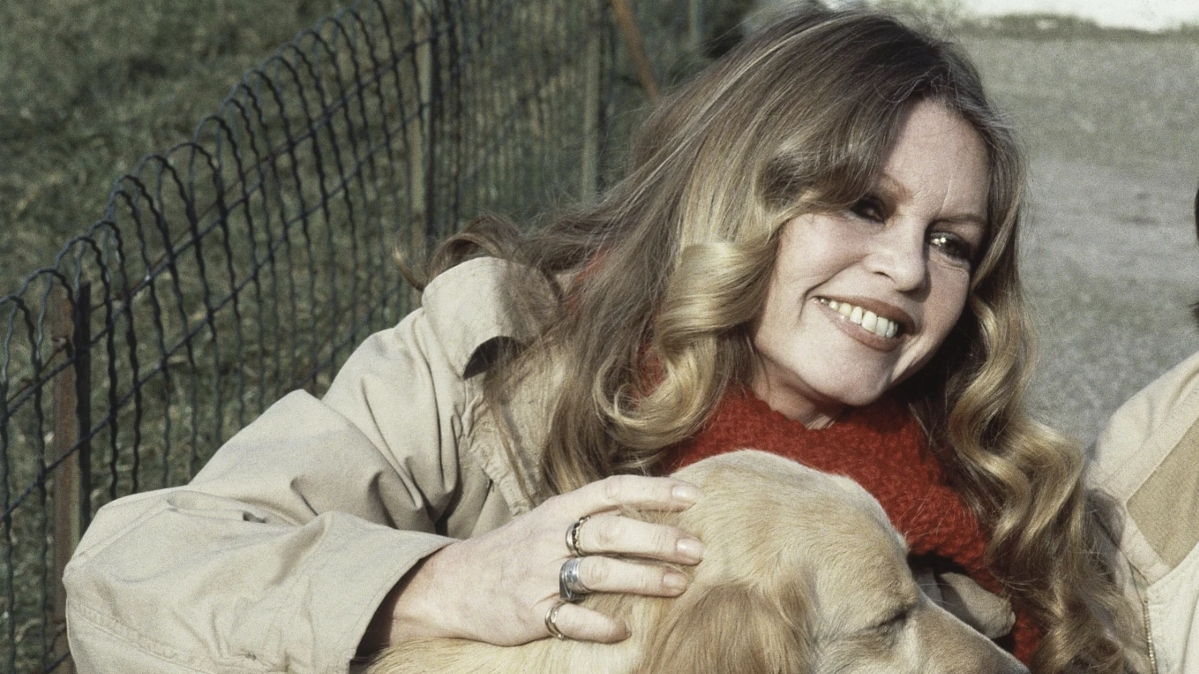
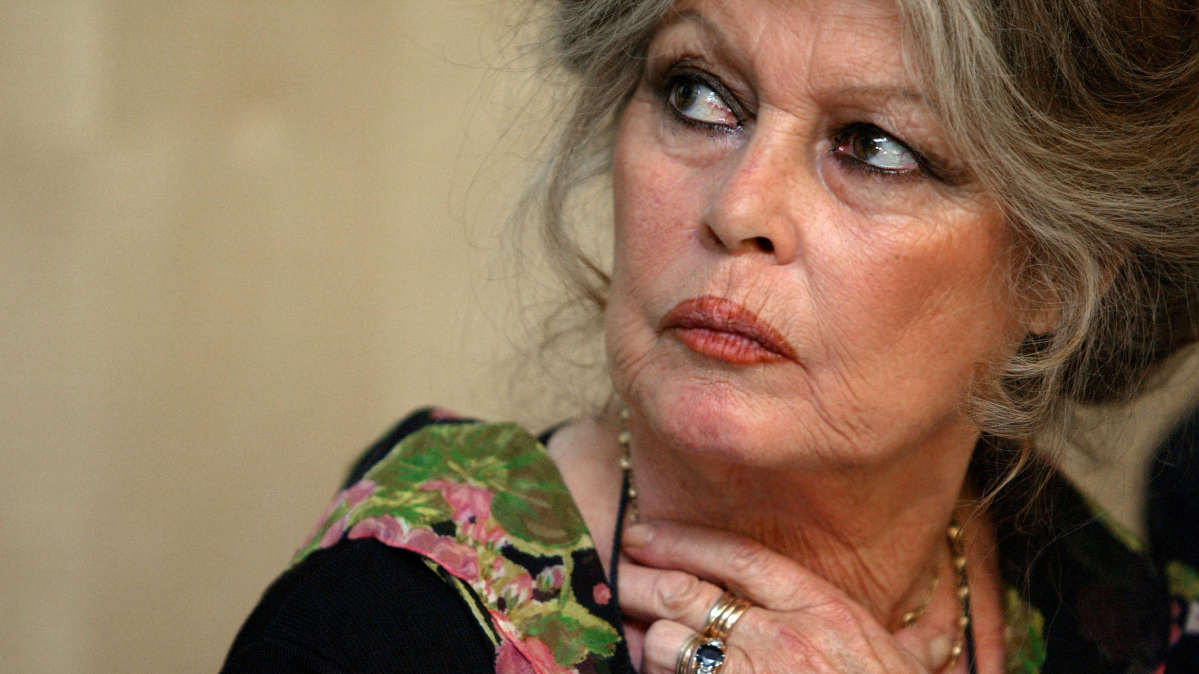
Brigitte Bardot, the French actress whose barefoot mambo in And God Created Woman propelled her to international fame and reshaped female sexuality on screen, has died at the age of 91, her foundation said on Sunday.
She died at her home in southern France, according to the Brigitte Bardot foundation. She had been hospitalised in recent weeks. No details of funeral arrangements have yet been announced.
The cause of death was not immediately known.
French President Emmanuel Macron paid tribute, writing on X: “We are mourning a legend.”
Early fame and a new screen image
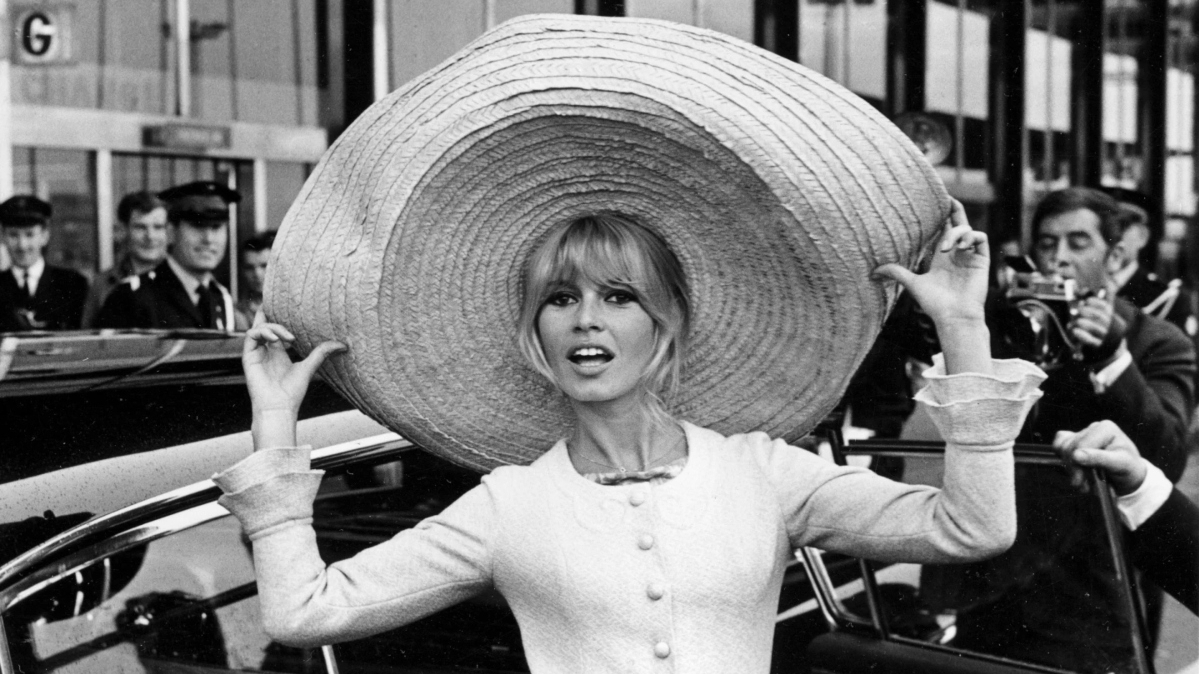
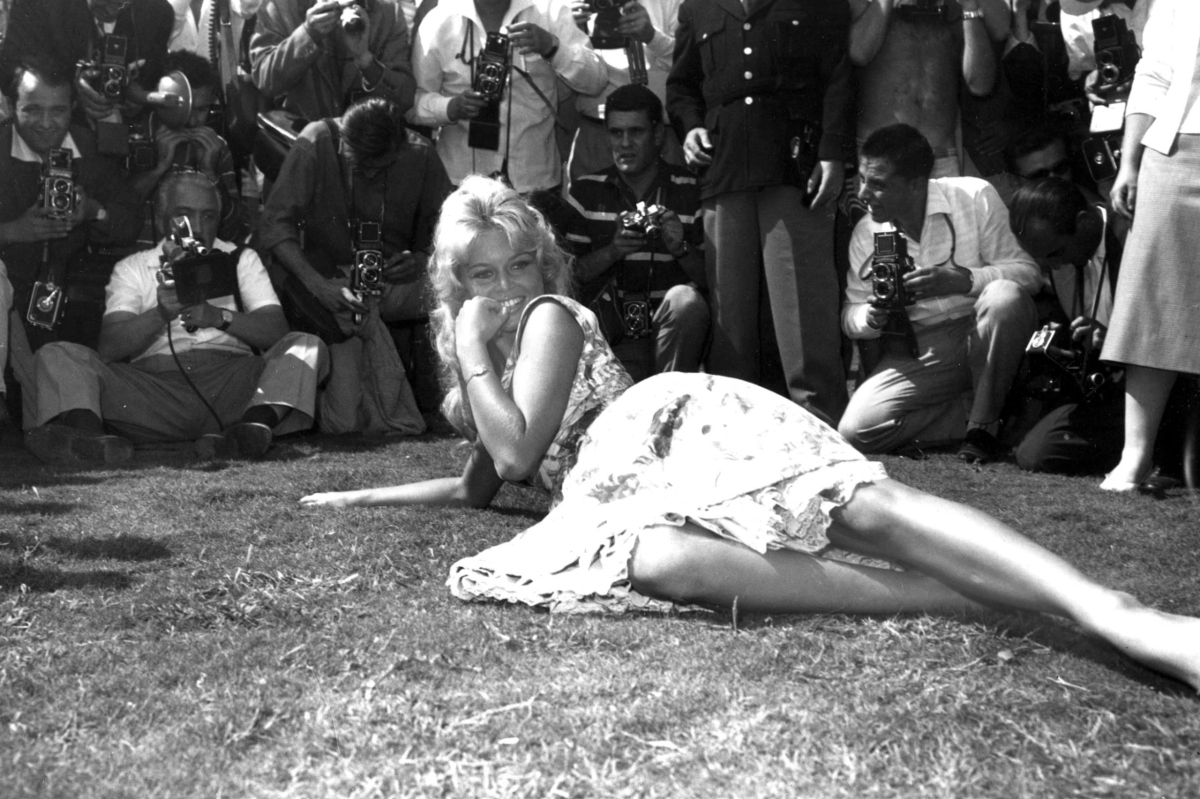
Bardot became a global icon at just 21, scandalising censors and captivating audiences with a free-spirited performance that represented a decisive shift away from the conventional heroines of earlier cinema.
Her loose hair, intense screen presence and open sensuality challenged prevailing norms of femininity, making her one of the most recognisable figures of the 1950s and 1960s.
She was frequently compared with Marilyn Monroe as one of the defining sex symbols of the era.
‘And God Created Woman’: the path to international stardom
Shot in 1956 by her then husband Roger Vadim, And God Created Woman established Bardot, often known in France simply as “B.B.”, as a symbol of liberated femininity and post-war modernity.
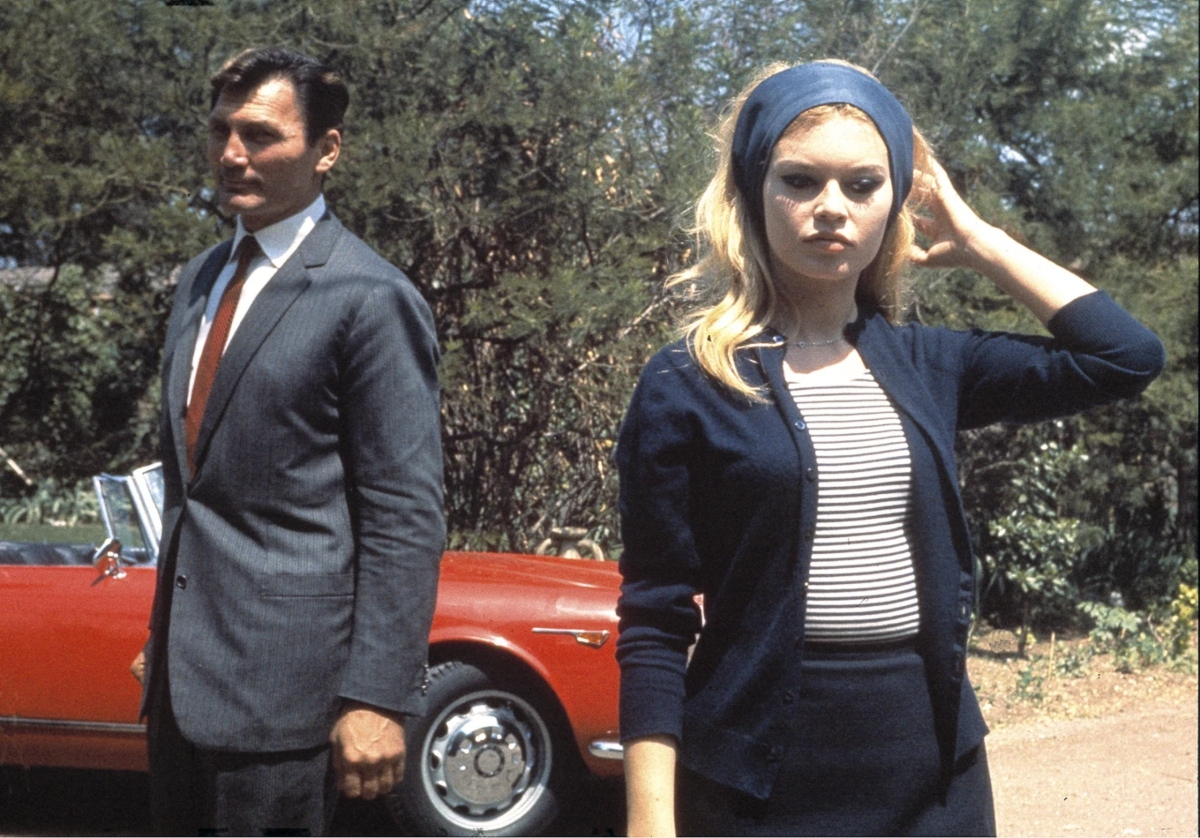
She went on to star in a string of influential films, including Le Mépris (1963), directed by Jean-Luc Godard, and the international hit Viva Maria! (1965), cementing her status as one of Europe’s most bankable stars.
In Le Mépris, Godard deliberately subverted audience expectations by fragmenting her body on screen rather than presenting her in conventional erotic scenes.
Childhood, ballet and early modelling
Born in Paris on September 28, 1934, Bardot grew up in an upper-middle-class household. She trained as a classical ballet dancer and later described her childhood as difficult, shaped by a strict upbringing.
She said she was a shy, self-conscious child who “wore spectacles and had lank hair”.
By the age of 15, she had appeared on the cover of Elle magazine, launching a modelling career that soon led to film.
Beyond France: a global cultural icon
Her appeal extended far beyond French cinema. Bob Dylan is said to have written his first song about her as a teenager, while Andy Warhol painted her portrait.
Bardot became not only a sex symbol, but a cultural touchstone for shifting social attitudes towards gender, freedom and desire.
In 1959, the philosopher Simone de Beauvoir praised Bardot in an essay for Esquire magazine, writing: “B.B. does not try to scandalise. She follows her inclinations.” She concluded: “I hope she will mature, but not change.”
Fame, isolation and personal struggles
Despite her success, Bardot found fame deeply isolating. She spoke repeatedly of feeling imprisoned by celebrity and unable to enjoy ordinary life.
“Nobody can imagine how horrific it was,” she said years later. “I couldn’t go on living like that.”
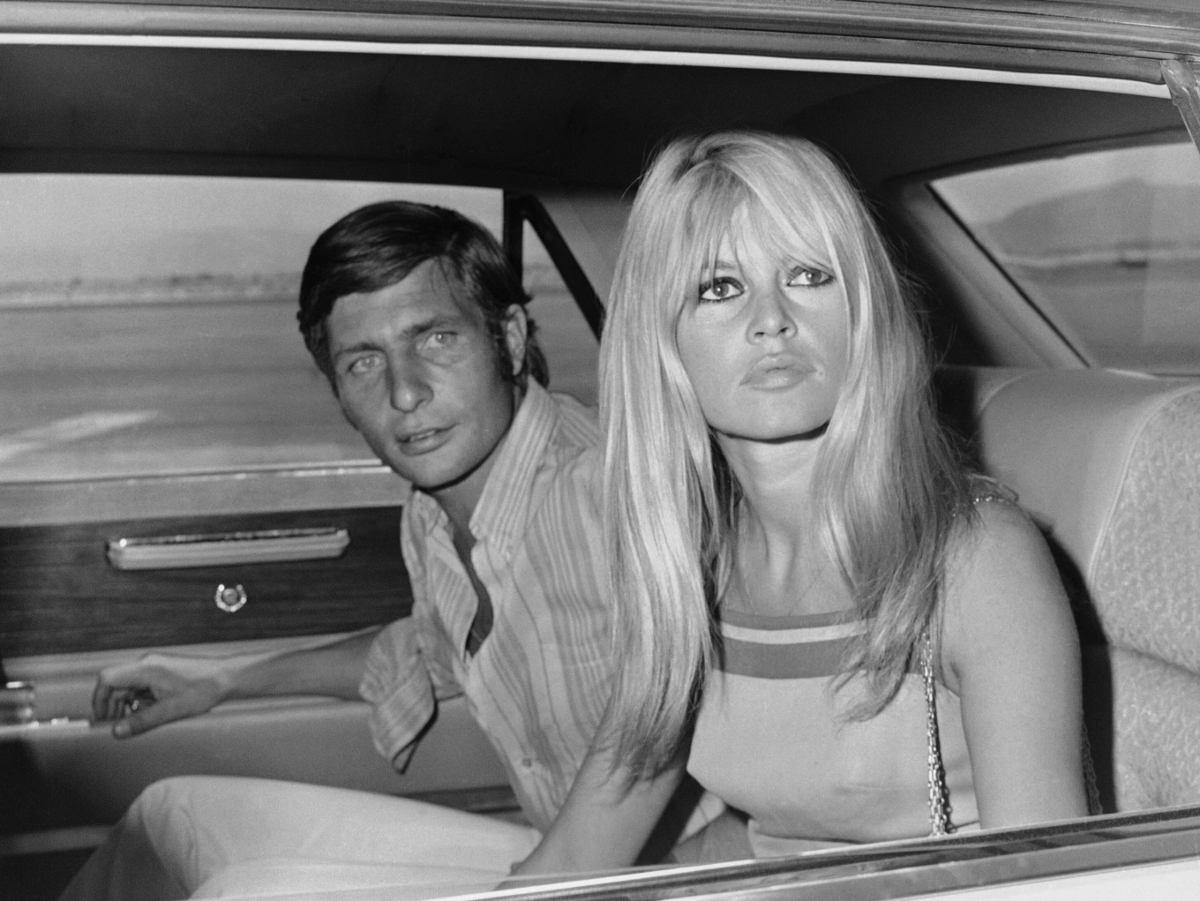
Her personal life was marked by four marriages, widely publicised affairs and prolonged struggles with depression.
She had one son, Nicolas, and later acknowledged that she had been unprepared for motherhood, a period she said contributed to her mental health difficulties.
Music, Marianne, national identity
Alongside acting, Bardot pursued a successful music career, notably collaborating with Serge Gainsbourg on songs including the controversial “Je t’aime… moi non plus”.
In the late 1960s, she was chosen as the model for a bust of Marianne, the personification of the French Republic.
Her likeness later appeared on statues, stamps and coins, underlining her status as a national symbol.
Walking away from cinema at 39
She made her final film in 1973 and retired from acting at the age of 39, walking away from cinema at the height of her fame.
She later said she knew her career rested largely on her appearance and chose to leave first, adding that she was “sick of being beautiful every day”.
Declaring the industry “rotten”, she withdrew almost entirely from public life.
“I will have given 20 years of my life to cinema, that’s enough,” she said at the time
A life devoted to animal welfare
Bardot settled in Saint-Tropez, where she devoted herself to animal welfare. In 1986, she founded the Brigitte Bardot Foundation for the Welfare and Protection of Animals, auctioning personal possessions to finance its work.
She later described witnessing seal hunts in Canada as a turning point that led her to devote her life to animal protection.
“This is my only battle,” she said in 2013. “The only direction I want to give my life.”
Controversial politics and court convictions
Her activism won admiration but was increasingly overshadowed by controversy over her political views.
Bardot was repeatedly convicted by French courts for inciting racial hatred over remarks about immigration, Islam and homosexuality, receiving multiple fines between 1997 and 2008.
She married Bernard d’Ormale, a former adviser to the far-right National Front, in 1992 and later publicly supported Jean-Marie Le Pen and his daughter Marine Le Pen, who once described Bardot as the “Joan of Arc of the 21st century”.
Backlash during the #MeToo era
In 2018, during the #MeToo movement, Bardot criticised actors who spoke out about sexual harassment, saying she had never experienced it herself, comments that prompted renewed backlash.
An enduring and divisive legacy
Yet her influence endured. Her hairstyle, fashion and screen persona have been repeatedly revived, while documentaries and books have continued to reassess her impact on cinema and popular culture.
Asked in a 2025 interview whether she saw herself as a symbol of the sexual revolution, Bardot replied: “No. Feminism isn’t my thing; I like men.”
Reflecting on her film career, she said: “I don’t think about it, but I don’t reject it, because it’s thanks to it that I’m known everywhere in the world as someone who defends animals.”
Brigitte Bardot leaves behind a legacy that transformed cinema, challenged social norms and continues to divide opinion in France and beyond.





















What is your opinion on this topic?
Leave the first comment