Chevron is in talks with Iraq’s oil ministry over potential changes to the commercial framework governing the West Qurna 2 oilfield, one of the world’s largest producing assets, after Baghdad nationalised the field earlier this month following U.S. sanctions imposed on Russia’s Lukoil.
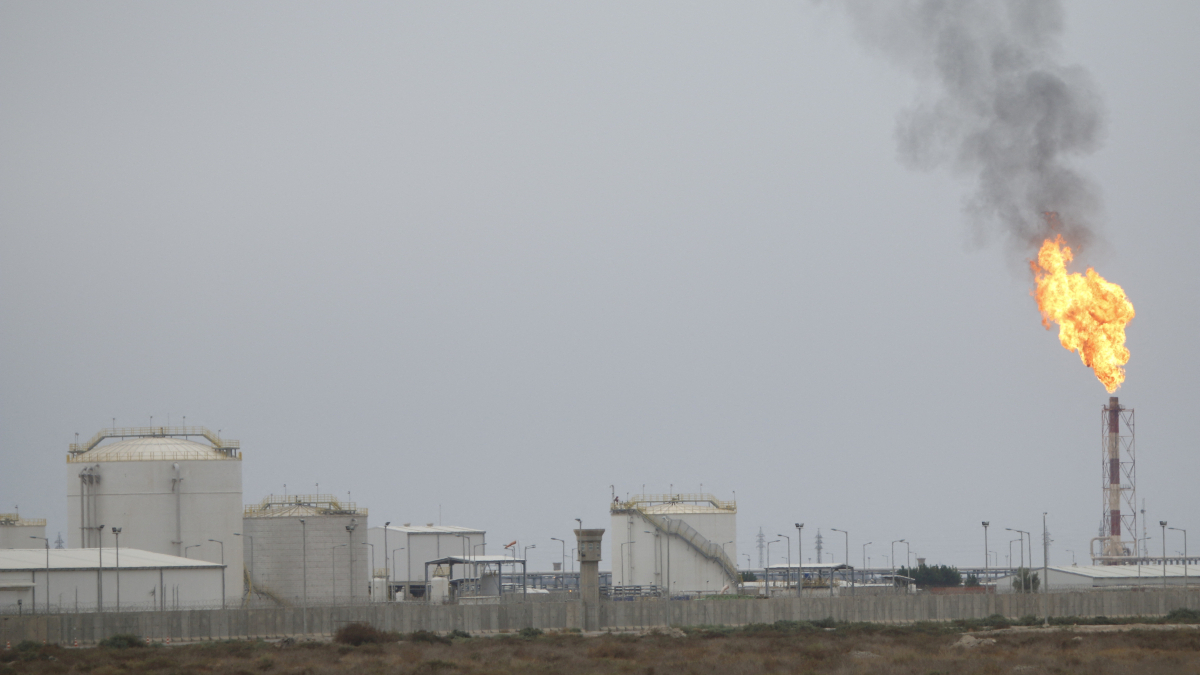
The sanctions, introduced to increase pressure on Moscow over its war in Ukraine, have complicated Lukoil’s ability to operate overseas assets, including West Qurna 2. The field accounts for about 0.5% of global oil supply and nearly 10% of Iraq’s total output.
Lukoil has until 28 February to sell its international assets under the sanctions regime.
Talks on commercial terms
Sources said Chevron is seeking improved returns before committing to a purchase, with negotiations under way to revise contractual terms originally agreed under Iraq’s earlier service-contract model. Any revised agreement would require approval from Iraq’s cabinet, two of the sources said.
Chevron declined to comment on commercial discussions but said it continues to assess global opportunities.
“Chevron has a diverse exploration and production portfolio globally and continues to assess potential opportunities,” a company spokesperson said, adding that it complies with all applicable laws and regulations.
Iraq’s oil ministry confirmed talks were ongoing.
“The negotiations are still ongoing, with many details remaining under discussion,” the ministry told Reuters.
Lukoil did not respond to a request for comment.
Strategic expansion for Chevron
A deal would deepen Chevron’s presence in Iraq, following its agreement to develop several fields in the country as part of an international expansion after completing its $53 billion acquisition of Hess in 2025.
Iraq, the world’s seventh-largest oil producer, has moved in recent years to improve investment terms after decades of frustration among foreign producers over low returns. Baghdad has shifted from service contracts to profit-sharing agreements, helping to attract renewed interest from global majors.
Companies including TotalEnergies and BP have signed deals in the past two years, with combined investment pledges exceeding $50 billion, marking a reversal of an earlier exodus from the country.
West Qurna’s legacy
West Qurna 2 was one of the first oil projects signed with international companies after the 2003 U.S. invasion of Iraq and operates under an older service-contract structure, which industry sources say delivers among the lowest returns of any Iraqi oil agreement.
Iraq’s oil output has risen to more than 4 million barrels per day in 2025, from around 2.5 million bpd before 2003, though it has fallen short of long-standing ambitions to raise capacity to 9–12 million bpd.
In the interim, state-run Basra Oil Company has taken over operations at West Qurna 2 for a period of 12 months while ownership and contractual issues are resolved, according to company officials.











What is your opinion on this topic?
Leave the first comment