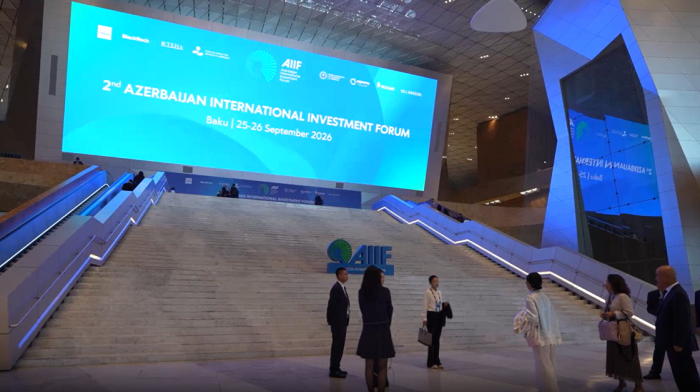
Web Summit Qatar 2026 opens as Doha positions itself as rising global tech hub
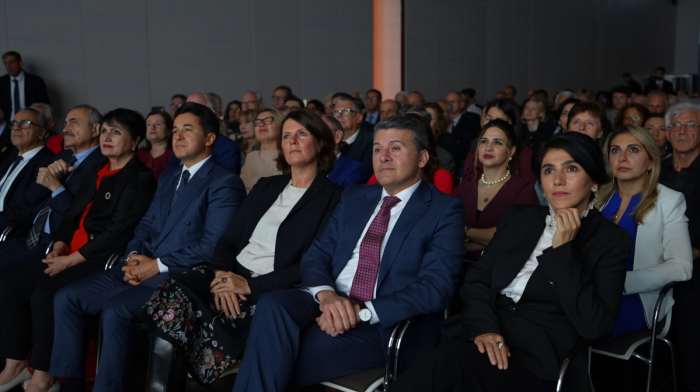
Web Summit Qatar 2026 opened in Doha on Sunday, drawing tens of thousands of founders, investors, policymakers and technology leaders to what organise...
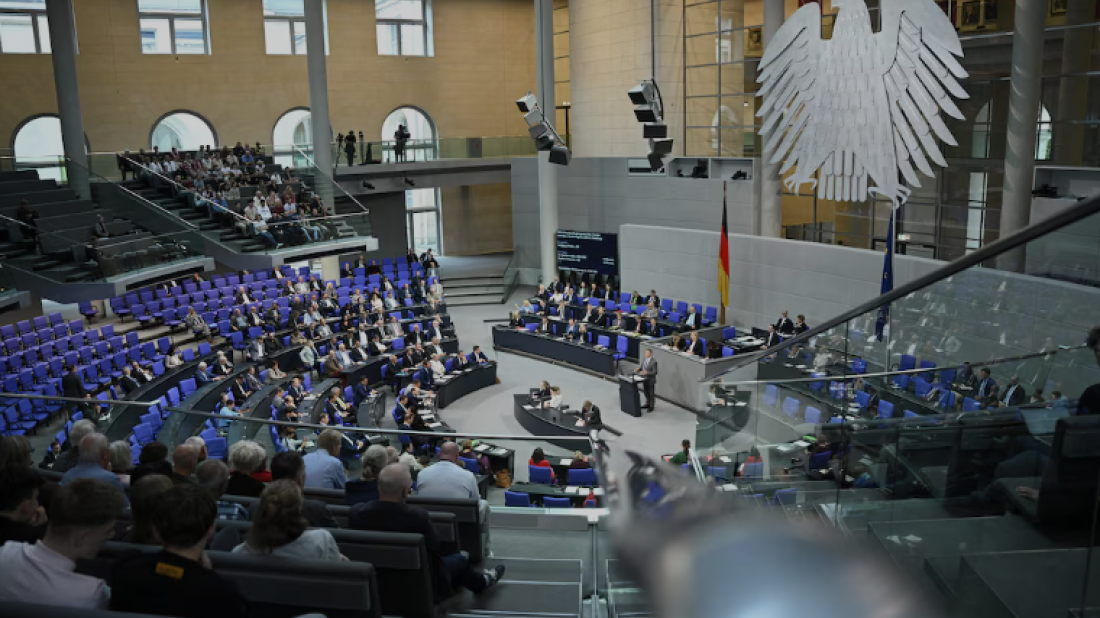
Germany's parliament approved on Thursday the nation's first annual budget since sweeping reforms to loosen fiscal rules were passed earlier this year, securing record investments to revive the economy while committing to an increase in defence spending.
The 2025 budget allows for total investment of almost 116 billion euros ($136.94 billion), made possible thanks to a 500-billion-euro infrastructure fund and an exemption from debt rules for defence spending approved in March.
"It is a huge paradigm shift in German fiscal policy," Finance Minister Lars Klingbeil told lawmakers ahead of the vote in the Bundestag, Germany's lower house of parliament.
BOOSTING THE ECONOMY, BOLSTERING DEFENCE
Germany has thrown off decades of fiscal conservatism in the hope that public investment can kickstart the lagging economy, while a boosted defence budget aims to secure future military support for Ukraine and meet more ambitious spending targets for NATO allies.
Under pressure from U.S. President Donald Trump to become more self-reliant in the wake of Russia's invasion of Ukraine, NATO leaders agreed in June to up the defence alliance's spending target to 3.5% of each member's GDP from a previous 2%.
LOOMING BUDGETS GAPS, DIFFICULT DISCUSSIONS
With the 2025 plan secure, the focus of new Chancellor Friedrich Merz's coalition government shifts to budgets for the coming years, with difficult discussions ahead as Merz's conservatives push for savings in welfare, prompting pushback from their Social Democrat partners.
The coalition currently faces a 30-billion-euro hole in its financial plan for 2027.
"We will have to deal with huge challenges there," Klingbeil said, adding, however, that he was confident a solution would be found.
Parliament is set to begin debating the draft 2026 budget next week, with final approval expected in November.

U.S. President Donald Trump said on Saturday that the United States has begun negotiations with European leaders over Greenland and that an agreement is already taking shape.
The United States accused Cuba of interfering with the work of its top diplomat in Havana on Sunday (1 February) after small groups of Cubans jeered at him during meetings with residents and church representatives.
Dmitry Medvedev, said European countries have failed to defeat Russia in Ukraine and have instead inflicted serious economic damage on themselves, as he criticised EU policy, praised Donald Trump as a leader who seeks peace, and said Russia would “soon” achieve military victory in the war.
Iran’s Supreme Leader Ayatollah Ali Khamenei has warned that any U.S. military attack on Iran would spark a wider regional conflict, Iranian semi-official Tasnim news agency reported on Sunday.
U.S. president Donald Trump said Iran is “seriously talking” with the United States and expressed hope that negotiations could lead to an outcome acceptable to Washington.
U.S. stock markets finished mixed on Wednesday (28 January) as investors reacted calmly after the Federal Reserve left interest rates unchanged, a decision that had been widely expected and largely priced in.
The S&P 500 edged to a record closing high on Tuesday, marking its fifth consecutive day of gains, as strong advances in technology stocks offset a sharp selloff in healthcare shares and a mixed batch of corporate earnings.
Chevron is in talks with Iraq’s oil ministry over potential changes to the commercial framework governing the West Qurna 2 oilfield, one of the world’s largest producing assets, after Baghdad nationalised the field earlier this month following U.S. sanctions imposed on Russia’s Lukoil.
Argentina's economic activity shrunk 0.3% in November compared with the same month last year, marking the first monthly contraction of 2025, data from Argentina's national statistics agency showed on Wednesday.
Wall Street closed sharply lower on Tuesday as global markets fell after U.S. President Donald Trump’s new tariff threats against Europe unsettled investors and revived fears of renewed volatility.
You can download the AnewZ application from Play Store and the App Store.
What is your opinion on this topic?
Leave the first comment