Netherlands returns 3,500-year-old looted sculpture to Egypt
The Netherlands has returned a 3,500-year-old Egyptian sculpture to Egypt, after an investigation confirmed the artefact had been looted and unlawfull...
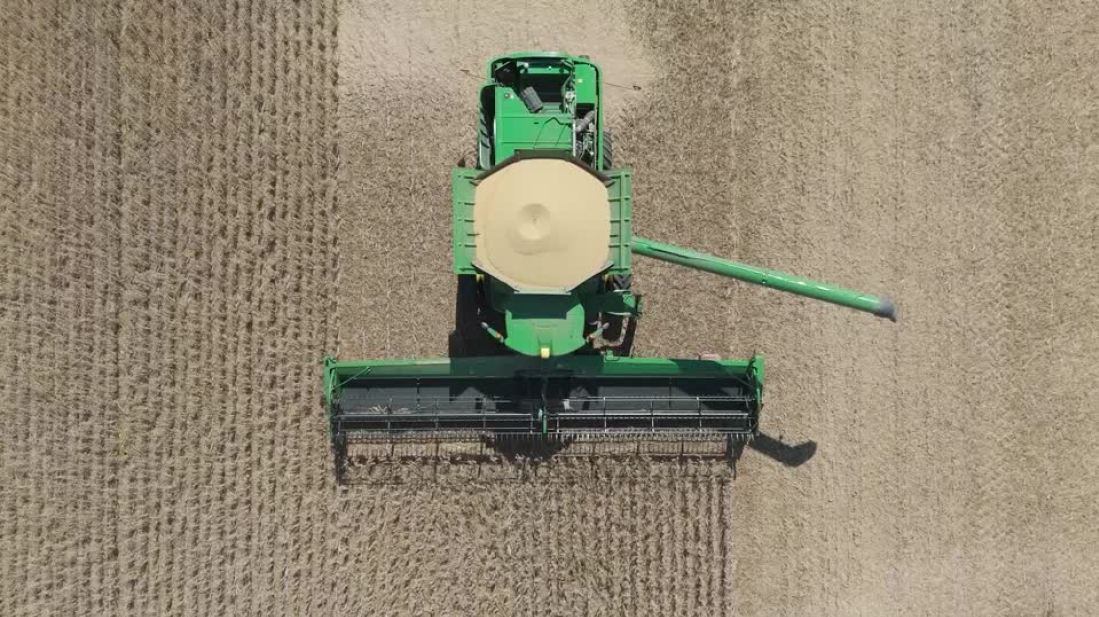
American soybean farmers are struggling as China, once their largest buyer, shifts purchases to Argentina amid trade tensions and export incentives.
China has booked more than 2.6 million tons of soybeans from Argentina for November and December, taking advantage of Buenos Aires suspending its 26% export tax. U.S. soybeans, carrying a 20% tariff in China, are now less competitive, leaving farmers concerned about missing their key market during peak season.
Chris Gould, a third-generation farmer in Illinois, described the situation as painful.
“China has been our number one customer for the last 20 years. For the 2025 crop, they’ve bought zero U.S. soybeans. When that market disappears, it has a significant impact on domestic prices,” he said.
President Donald Trump pledged financial support, saying a portion of tariff revenues would be distributed to farmers until trade measures take full effect.
“Ultimately the farmers are going to be making a fortune, but it’s a process,” Trump said on 25 September.
Despite promises of aid, farmers such as Gould want long-term solutions rather than temporary checks.
“We need our government to do their job, which is not to write emergency aid checks to us, but to promote worldwide trade so we can earn our income like we need to,” he said.
The situation is compounded by U.S. financial support for Argentina, including a $20 billion currency swap and potential debt purchases, which could further strengthen Argentina’s soybean exports at the expense of American farmers.
Winter weather has brought air travel in the German capital to a complete halt, stranding thousands of passengers as severe icing conditions make runways and aircraft unsafe for operation and force authorities to shut down one of Europe’s key transport hubs.
Storm Leonardo hit Spain and Portugal on Tuesday, forcing more than 11,000 people from their homes, as a man in Portugal died after his car was swept away by floodwaters and a second body was found in Malaga.
An attacker opened fire at the gates of a Shiite Muslim mosque in Islamabad on Friday before detonating a suicide bomb that killed at least 31 people in the deadliest assault of its kind in the capital in more than a decade.
Ukraine and Russia carried out a rare exchange of 314 prisoners on Thursday as U.S.-brokered talks in Abu Dhabi closed with a pledge to resume negotiations soon, offering one of the clearest signs of diplomatic movement in months.
The United States and Iran are set to hold nuclear talks in Oman on Friday after Tehran requested a change of venue and a strictly bilateral, nuclear-focused format, a move that is fuelling questions about Iran’s negotiating strategy.
Uzbekistan is preparing to introduce Islamic banking after the Senate approved legislation creating a legal framework for Sharia-compliant financial services, a move authorities say could broaden financial access and attract new investment into the country’s economy.
Wall Street ended sharply lower on Tuesday as investors worried about artificial intelligence (AI) creating more competition for software makers, keeping them on edge ahead of quarterly reports from Alphabet and Amazon later this week.
U.S. stock markets finished mixed on Wednesday (28 January) as investors reacted calmly after the Federal Reserve left interest rates unchanged, a decision that had been widely expected and largely priced in.
The S&P 500 edged to a record closing high on Tuesday, marking its fifth consecutive day of gains, as strong advances in technology stocks offset a sharp selloff in healthcare shares and a mixed batch of corporate earnings.
Chevron is in talks with Iraq’s oil ministry over potential changes to the commercial framework governing the West Qurna 2 oilfield, one of the world’s largest producing assets, after Baghdad nationalised the field earlier this month following U.S. sanctions imposed on Russia’s Lukoil.
You can download the AnewZ application from Play Store and the App Store.
What is your opinion on this topic?
Leave the first comment