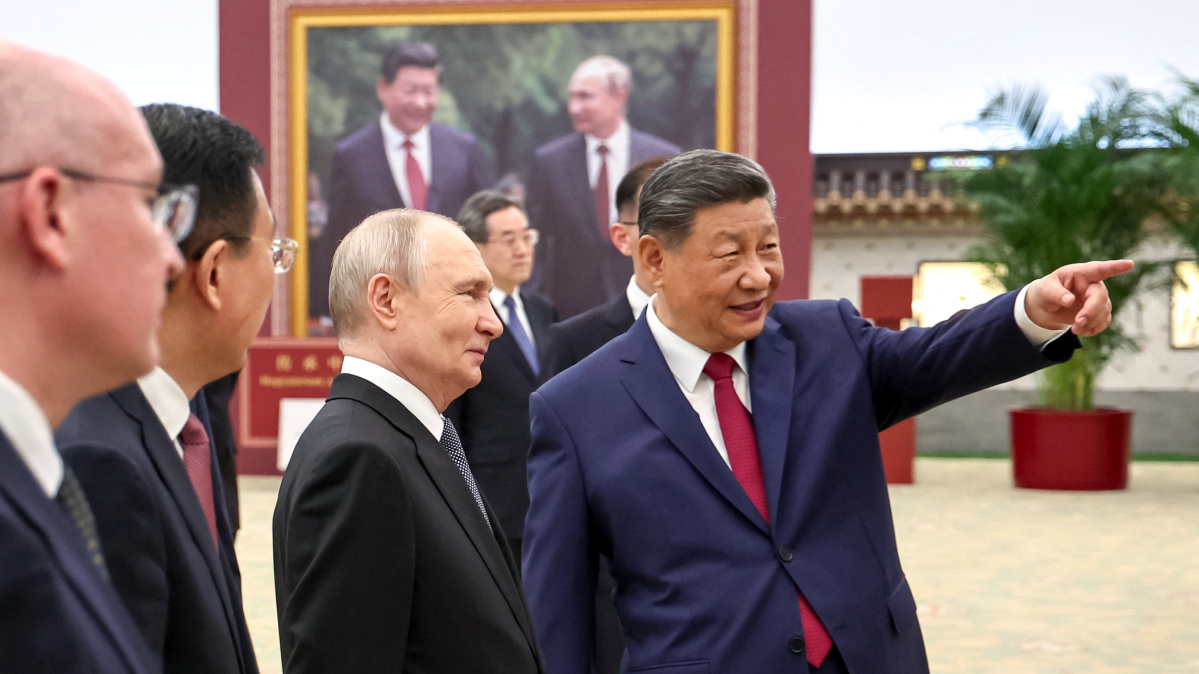
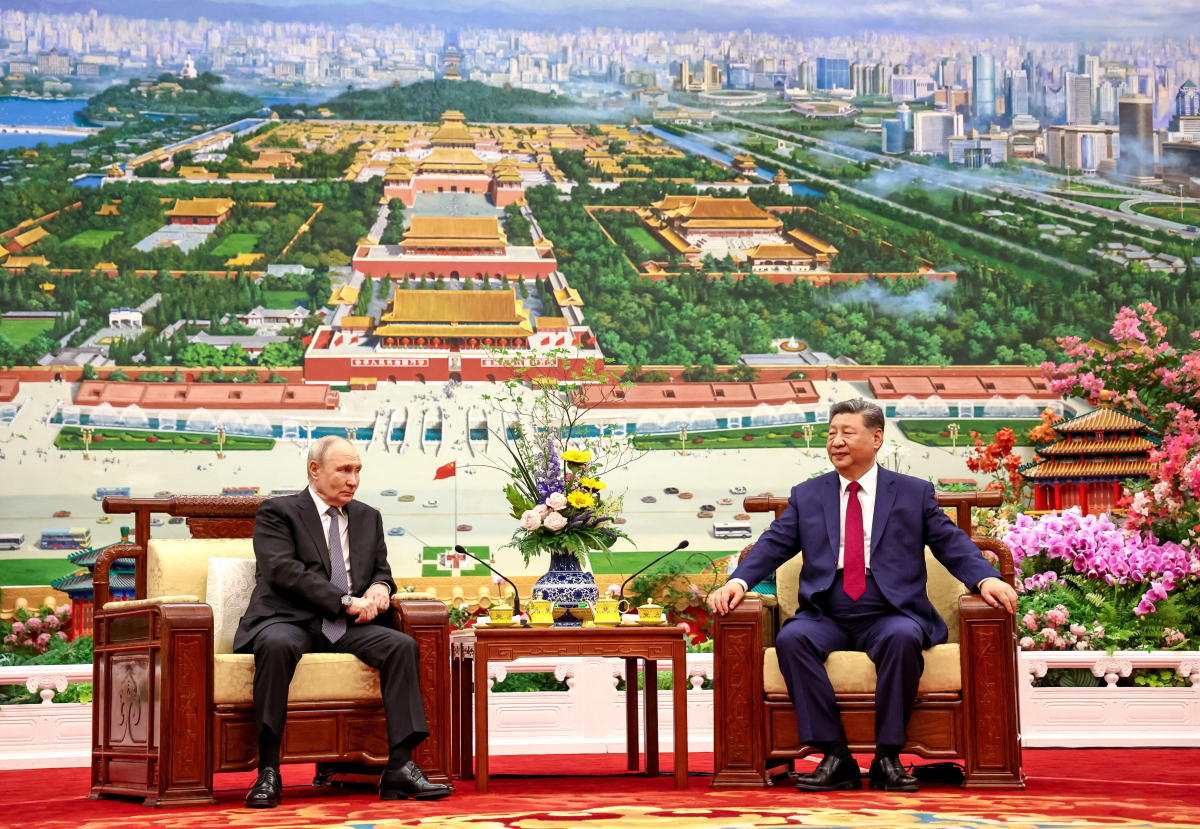
Chinese President Xi Jinping and Russian President Vladimir Putin met in Beijing on Wednesday, showing close political alignment even though key economic deals were not finalised.
The talks came shortly after a visit to China by U.S. President Donald Trump, which added wider geopolitical context to the meeting.
A joint statement set out shared positions on security, Ukraine and global governance. But it also showed limits in economic cooperation, especially over a long-discussed gas pipeline project that remains unresolved.
Here are five key takeaways.
Symbolic show of unity after Trump’s Beijing visit
The meeting carried strong political messaging. It followed U.S. President Donald Trump’s recent visit to Beijing, and both sides appeared keen to show stability in their relationship.
Neither leader directly mentioned the United States. But their language made the contrast clear.
Vladimir Putin said ties were at an “unprecedentedly high level”. Xi Jinping described relations as “unyielding”.
Xi also warned against “unilateral and hegemonic countercurrents running rampant” in global affairs, a phrase often used in Chinese criticism of U.S. influence.
The two countries also signed agreements on trade, energy and media cooperation, focusing on long-term ties rather than major breakthroughs.
Coordinated criticism of U.S. security policy
A key theme was shared criticism of U.S. defence strategy.
China and Russia opposed Washington’s proposed “Golden Dome” missile defence system. They also called U.S. nuclear policy “irresponsible”.
There was no new defence pact. But the tone suggested closer political coordination on international security issues.
Both sides continue to present themselves as a counterweight to U.S. influence in global institutions.
Middle East and Iran: Focus on stability and energy security
The Middle East was a major topic of discussion, especially around the tensions involving Iran.
Xi described the region as being at a “critical juncture”. He called for restraint and said “a comprehensive ceasefire is of utmost urgency”.
He also warned that continued conflict could disrupt global energy supply chains.
Russia supported calls for dialogue. Both sides agreed on the need for negotiations and a political settlement.
While both said they want stability, their priorities differ slightly. China is focused on protecting trade and energy routes. Russia also sees opportunities to reshape global energy flows away from the West.
Ukraine: No shift in position
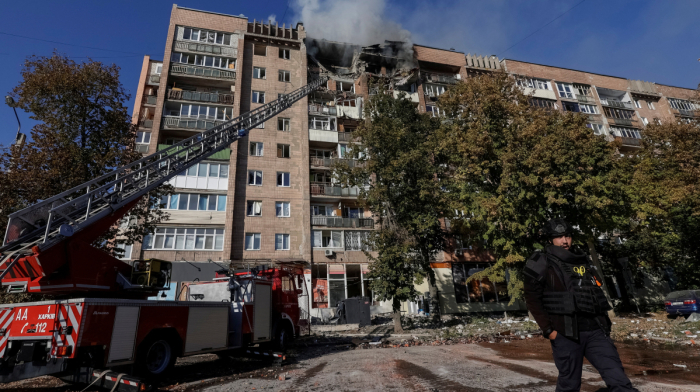
On Ukraine, there was no change in approach. Both countries repeated that the conflict should be resolved by addressing what they call its “root causes”.
They also said they support “the search for a solution through dialogue and negotiations”.
Xi Jinping continues to avoid criticising Russia directly. Meanwhile, Moscow maintains close political and economic ties with Beijing.
There were no new proposals or diplomatic initiatives.
Energy cooperation grows, but key pipeline still unresolved
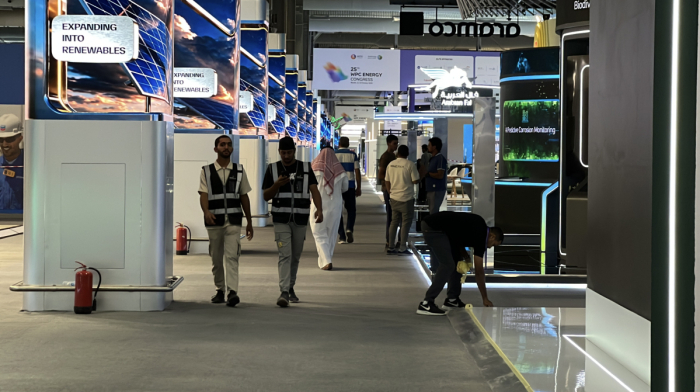
Energy remains the strongest part of the relationship.
Vladimir Putin called the sector “the locomotive of economic cooperation” and said Russia is a “reliable supplier” of oil and gas to China.
Trade has grown since Europe cut back on Russian energy imports after the Ukraine war began in 2022. China has become Russia’s most important energy buyer.
However, the planned “Power of Siberia 2” pipeline is still not agreed. It could carry up to 50 billion cubic metres of gas a year.
Officials said there is a “basic understanding”, but no “clear timeline”. Pricing and concerns in Beijing about over-reliance remain unresolved.













What is your opinion on this topic?
Leave the first comment