South Caucasus seen as strategic bridge between Europe and Central Asia
The South Caucasus is increasingly being viewed not only through the lens of past conflicts but also as a strategic bridge linking Europe, the Caspian...
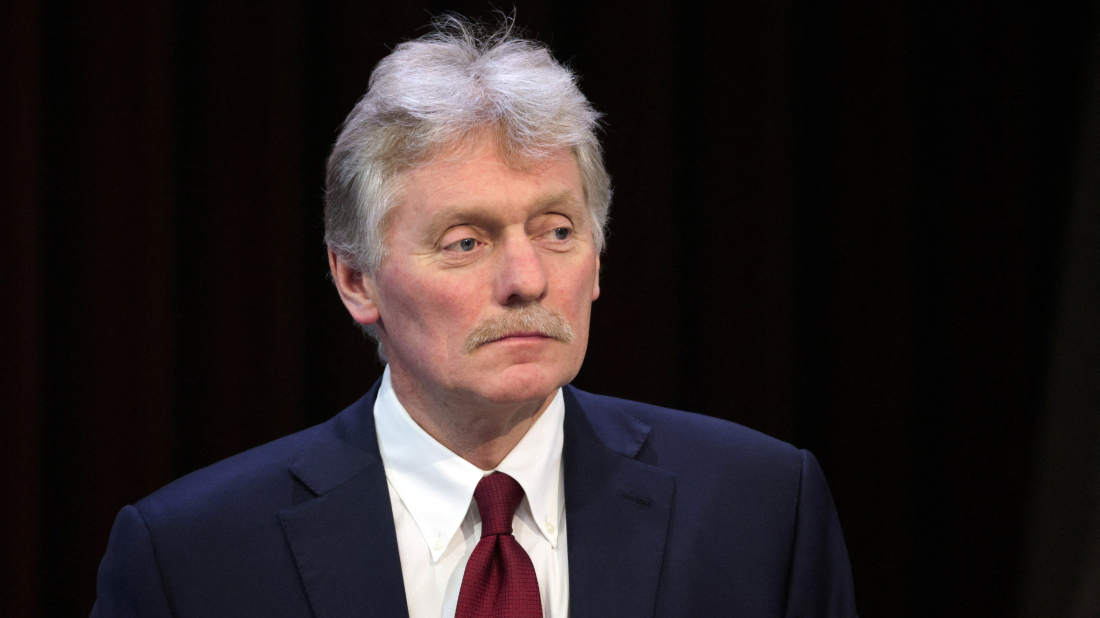
The dates for a next third round of Russian-Ukrainian negotiations should be determined this week, according to Russian Presidential Spokesman Dmitry Peskov.
Kremlin aide Vladimir Medinsky, who heads the Russian delegation, is in contact with his Ukrainian counterpart, Peskov said.
Russian President Vladimir Putin stated that Moscow expects the dates for the next round of negotiations to be determined after 22 June.
Kyiv said Friday that Russian President Vladimir Putin had shown "disdain" for the peace process by suggesting Moscow might seize more Ukrainian territory.
"Putin's cynical statements demonstrate complete disdain for US peace efforts ... The only way to force Russia into peace is to deprive it of its sense of impunity," Ukrainian Foreign Minister Andriy Sybiga said in a post on X.
Putin on Friday told the St Petersburg International Economic Forum that Russians and Ukrainians were one people, "and in that sense the whole of Ukraine is ours".
The second round of negotiations between Russia and Ukraine took place on 2 June. During the talks, both sides exchanged draft memoranda on a peaceful settlement and agreed to the exchange of seriously wounded prisoners of war, as well as the bodies of the deceased. Moscow handed over approximately 6,000 bodies to Kyiv, - tass.com reported.
The conflict has intensified in recent weeks, with Russia carrying out some of its heaviest air attacks of the war.

The U.S. says it has launched strikes on Iran after alleged attacks on three commercial vessels in the Strait of Hormuz. Washington described the action as a response to threats against civilian shipping and a breach of the ceasefire.
U.S. President Donald Trump said on Wednesday that the memorandum of understanding signed with Iran to end the conflict was "over", adding he did not want to engage with Tehran, calling the Iranian leadership "sick people".
NATO leaders are unveiling multi-billion-dollar arms deals in Ankara as President Donald Trump joins the summit, highlighting Europe's increased defence spending amid tensions over Russia and Iran, and following years of U.S. criticism of the alliance.
Mark Rutte, Secretary General of NATO, has described fresh U.S. strikes on Iran as "absolutely necessary," in remarks at the start of the second day of the alliance's sumit in the Turkish capital Ankara.
Start your day informed with the AnewZ Morning Brief. Here are the top stories for the 8th of July, covering the latest developments you need to know.
China's technology sector is producing billion-dollar startups at its fastest pace in nearly five years, with artificial intelligence and robotics driving a new wave of investment that is reshaping the country's innovation economy.
Western Europe experienced its hottest June since records began in 2026, according to the Copernicus Climate Change Service (C3S). The record-breaking month brought extreme heat, widespread disruption and thousands of excess deaths across parts of the continent.
South Korea's Supreme Court has upheld former President Yoon Suk Yeol's seven-year prison sentence in a case linked to his 2024 attempt to impose martial law.
Germany has reached an agreement with the U.S. to purchase Tomahawk cruise missiles and deploy them on German territory, Chancellor Friedrich Merz told lawmakers in Berlin on Thursday.
Australia and India have finalised an agreement allowing Australian uranium exports for India's nuclear energy sector, expanding cooperation on clean energy, critical minerals and infrastructure as the two countries strengthen their strategic and economic partnership.
You can download the AnewZ application from Play Store and the App Store.
What is your opinion on this topic?
Leave the first comment