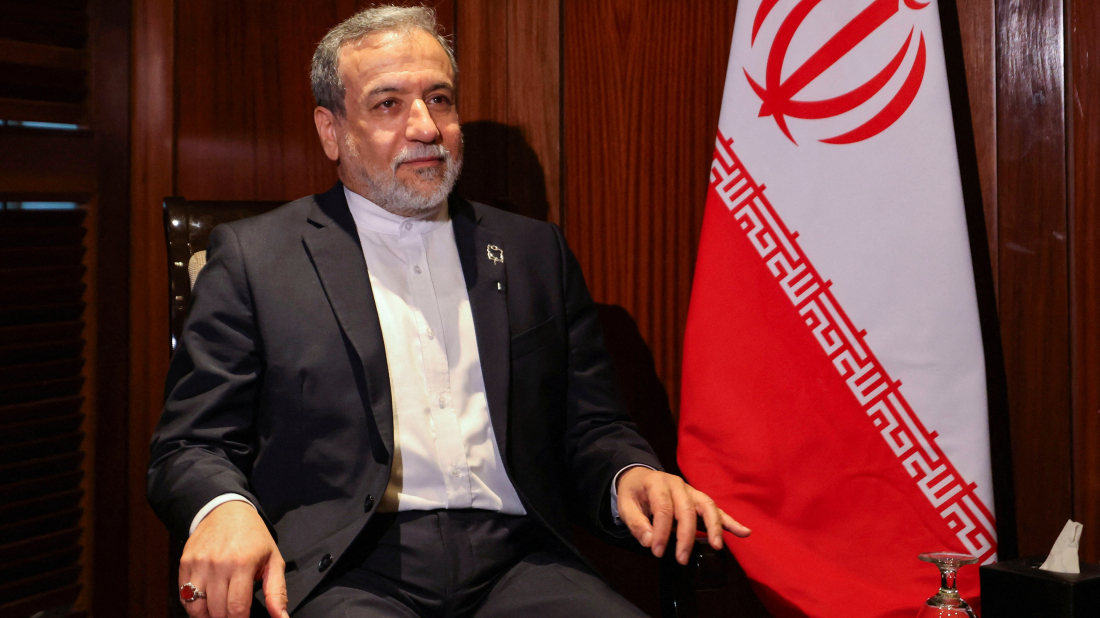
The Iranian Foreign Minister Abbas Araghchi arrived in Norway on Wednesday to take part in the 22nd Oslo Forum, while the UN nuclear watchdog will discuss Iran and days ahead of his upcoming meeting with the U.S. envoy Steve Witkoff in Oman.
He is scheduled to deliver a speech, meet the Norwegian counterpart as well as the high-ranking delegates in the two-day international event, according to a Foreign Ministry press release in Tehran.
The Oslo Forum is a Track II dialogue venue offering an environment for exchanging ideas and exploring potential solutions to global conflicts since 2003. Araghchi is expected to use the event as an opportunity to defend Iran’s position on its nuclear program.
The visit by the Iranian foreign minister is significant as the IAEA Board of Governors will be discussing a draft resolution proposed by the U.S. and the European troika of France, Germany and the UK, reportedly criticising Iran but not proposing an immediate referral to the UN Security Council for re-imposition of nuclear sanctions.
Ahead of his departure to the Norwegian capital, Araghchi in a phone talk with his Japanese counterpart Takeshi Iwaya said any ‘destructive’ decision by the current Board of Governors meeting in Vienna will be followed by Iran’s ‘due response’.
Araghchi urged Japan to use its balanced foreign policy during the IAEA voting on Iran adding that nuclear enrichment is Iran’s non-negotiable red line, the Iranian Foreign Ministry said in a statement on Tuesday.
Japan is an active and influential member of the IAEA. Yukia Amano was the former IAEA Director General who served from 2009 to 2019 and represented Japan at the UN agency before his appointment as its director general.
Araghchi’s visit to Oslo also comes ahead of the sixth round of indirect talks between Iranian and U.S. negotiators in the Omani capital on Sunday.
"As we resume talks on Sunday, it is clear that an agreement that can ensure the continued peaceful nature of Iran's nuclear program is within reach — and could be achieved rapidly," Araqchi said in a post on X on Wednesday.
Tehran and Washington have clashed on the issue on uranium enrichment on Iranian soil, which Western countries claim is a potential pathway to the development of nuclear weapons. Iran holds that its nuclear program is purely for civilian purposes.
Tehran is expected to relay its alternative proposal to Washington about maintaining its nuclear enrichment capability and lifting of U.S. sanctions in the upcoming talks which have been mediated by Oman since April.
Foreign Ministry Deputy for Political Affairs Majid Takht-Ravanchi told IRNA news agency that Iran’s proposal is a general framework to deeper talks and a bid to keep open the window to diplomacy.
Despite of serious differences, both Iran and the U.S. have termed their discussions as constructive so far.












What is your opinion on this topic?
Leave the first comment