UK and European allies say Kremlin critic Alexei Navalny was poisoned
Britain, France, Germany, Sweden and the Netherlands said on Saturday (14 February) they are convinced that late Kremlin critic Alexei Navalny was poi...
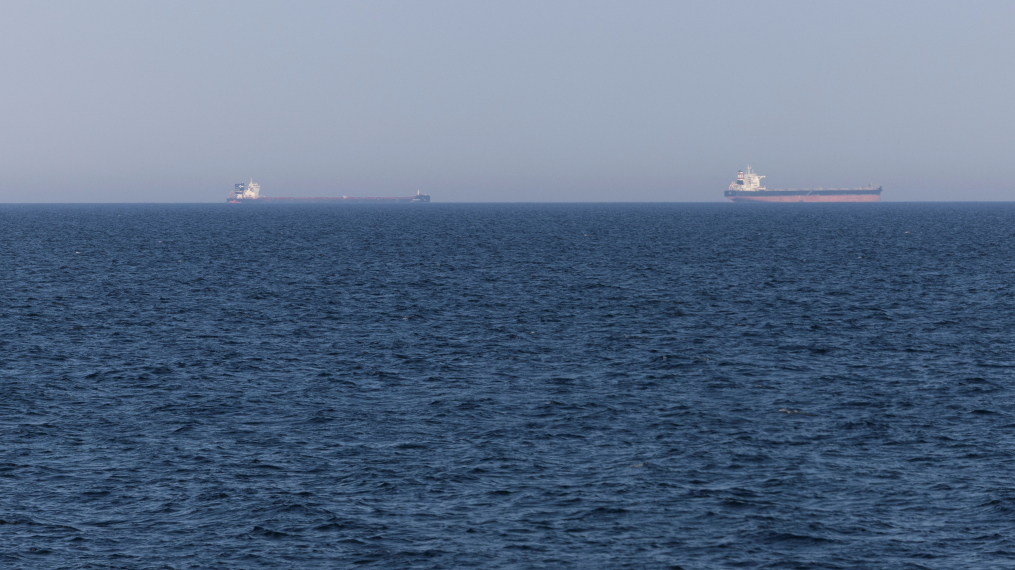
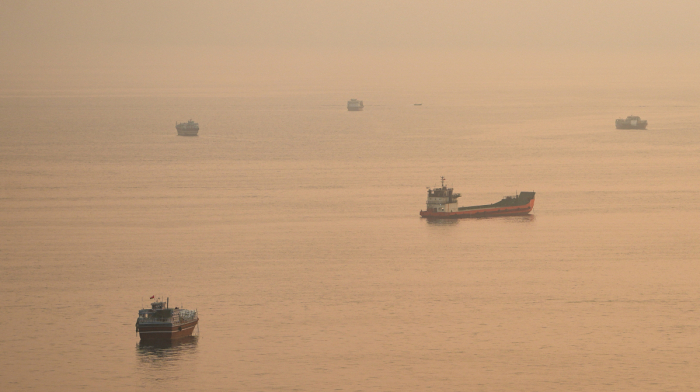
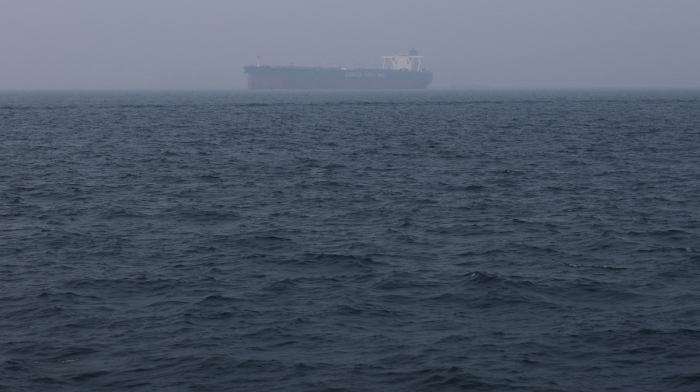
The European Union has proposed setting up a special hub to strengthen security and surveillance in the Black Sea, a region seen as increasingly at risk due to ongoing Russian aggression.
The plan aims to bring together information from both EU and Black Sea countries to keep a close watch on the area, with a focus on real-time monitoring from space down to the seabed.
According to the EU proposal, the hub would help protect critical infrastructure like undersea cables, offshore gas platforms, and wind energy installations. It would rely on advanced technology, including underwater sensors, surveillance drones, and remotely operated vessels, to track activity and detect threats early.
EU foreign policy chief Kaja Kallas said the initiative is urgent because of the continuing war in Ukraine. She added that the hub could also play a role in monitoring any future peace deal between Russia and Ukraine, especially the maritime aspects.
The move reflects growing concern across Europe about protecting underwater infrastructure and ensuring regional stability as tensions with Russia remain high.

Europe heads into the Munich Security Conference, on Friday (13 February), amid deepening unease over U.S. policy, as President Donald Trump’s hard-line stance on defence, trade and territory fuels doubts about Washington’s long-term commitment to transatlantic security.
American figure skating star Ilia Malinin endured a dramatic collapse in the men’s free skate on Friday night, falling twice and tumbling out of medal contention at the Milan Cortina Winter Olympics as Kazakhstan’s Mikhail Shaidorov surged to a surprise gold medal.
“Respected and feared globally,” U.S. President Donald Trump told troops at Fort Bragg on Friday (13 February), framing America’s renewed strength against to mounting pressure on Iran amid stalled nuclear talks.
Dubai-based global ports operator DP World said on Friday that its long-serving chairman and chief executive, Sultan Ahmed Bin Sulayem, has stepped down following mounting pressure linked to alleged ties to disgraced financier Jeffrey Epstein.
Speaking at Munich Security Conference, Ukrainian foreign minister Andrii Sybiha calls for decisive steps ahead of expected Geneva talks
Britain, France, Germany, Sweden and the Netherlands said on Saturday (14 February) they are convinced that late Kremlin critic Alexei Navalny was poisoned with a lethal toxin in a Russian penal colony two years ago.
The U.S. Department of Homeland Security (DHS) has partially shut down after Congress failed to reach agreement on immigration enforcement changes, deepening a political standoff between the White House and Senate Democrats.
Israeli army chief Eyal Zamir said on Friday (13 February) that Israel remains committed to the complete demilitarization of the Gaza Strip and the disarmament of Hamas, calling for intensified operations to destroy tunnel networks and control access along the ceasefire line.
“Real security guarantees are needed before the war ends,” Ukrainian President Volodymyr Zelenskyy said at the Munich Security Conference on Saturday (14 February), warning that Russian aggression shows no sign of relenting.
Start your day informed with AnewZ Morning Brief: here are the top news stories for the 14th of February, covering the latest developments you need to know.
You can download the AnewZ application from Play Store and the App Store.
What is your opinion on this topic?
Leave the first comment