December 2025: Key global events to follow
December 2025 promises a month full of transformative moments, from significant legal releases and international meetings to cultural milestones and c...
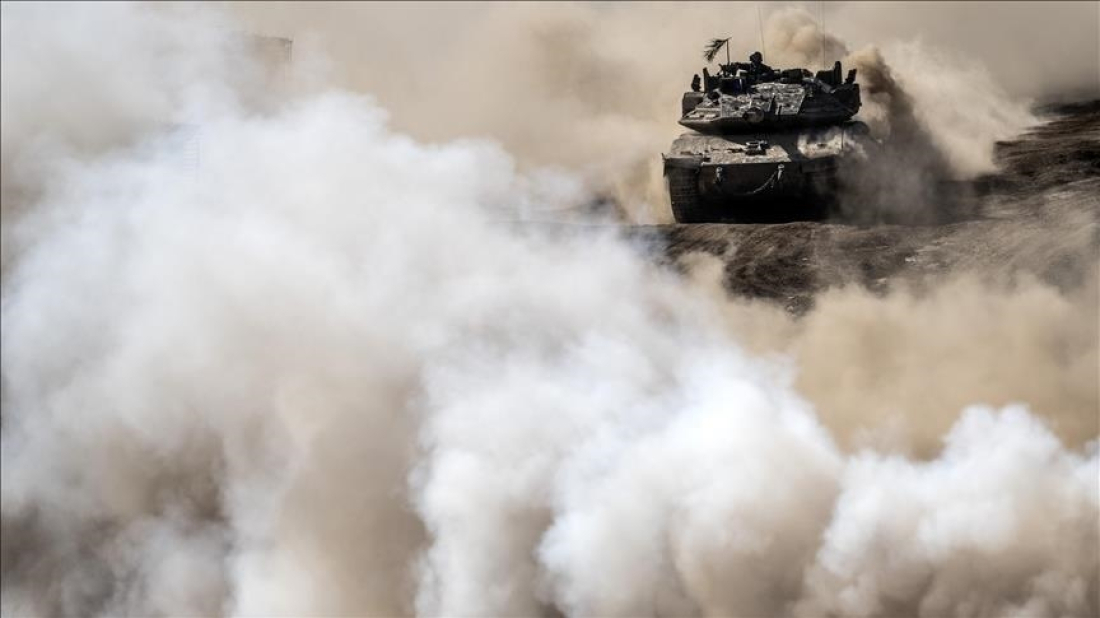
SIPRI’s annual report, released Monday, said global military expenditure reached $2.72 trillion in 2024, a 9.4% increase from 2023 and the largest year-on-year rise since the Cold War's end. This marks the tenth straight year of growth.
Defense spending is rising across East Asia as China’s expanding military power fuels regional concerns, according to a new report by the Stockholm International Peace Research Institute (SIPRI).
The world’s five biggest military spenders, the United States, China, Russia, Germany, and India made up 60% of total spending, combining for $1.64 trillion.
Spending in Asia and Oceania reached $629 billion in 2024, up 6.3% from 2023, with East Asia alone seeing a 7.8% jump to $433 billion.
China accounted for half of Asia’s total defense spending, with an estimated $314 billion, a 7% increase from 2023, and its largest annual rise since 2015. This marks the 30th consecutive year of growth, as China pushes to modernize its military across all domains by 2035.
China’s buildup has led neighboring countries to bolster their own defenses. Japan raised its defense budget by 21% to $55.3 billion, its biggest increase since 1952, lifting defense spending to 1.4% of GDP, the highest since 1958. Japan’s plan focuses on enhancing long-range strike and air defense capabilities through 2027.
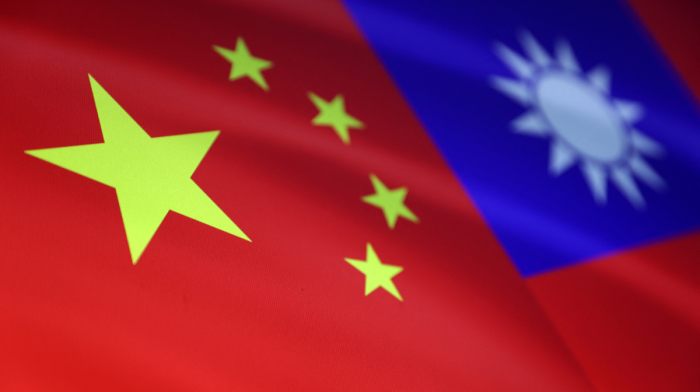
Meanwhile, Taiwan boosted its military spending by 1.8% to $16.5 billion, allocating a significant portion to upgrade F-16 jets, purchase U.S. naval systems, and develop anti-drone technologies amid heightened tensions with China.

For nearly three decades following the dissolution of the Soviet Union, the international system was defined by a singular, overwhelming reality: American unipolarity.
Chinese scientists have unveiled a new gene-editing therapy that they say could lead to a functional cure for HIV, making it one of the most promising developments in decades of global research.
Faced with mounting public outrage following one of the deadliest environmental disasters in the nation’s recent history, the Indonesian government has pledged to investigate and potentially shut down mining operations found to have contributed to the catastrophic flooding on Sumatra.
Israel was cleared on Thursday to participate in the 2026 Eurovision Song Contest, a decision made by the organisers, the European Broadcasting Union (EBU), which sparked a major controversy.
Britain’s King Charles III welcomed German President Frank-Walter Steinmeier on Wednesday, marking the beginning of his three-day state visit to the United Kingdom. The visit, the first by a German President to the UK in 27 years, comes as the two countries continue to strengthen ties post-Brexit.
December 2025 promises a month full of transformative moments, from significant legal releases and international meetings to cultural milestones and controversial elections. Here’s a look at the key stories set to unfold.
Greek lawmakers approved the purchase of 36 PULS rocket artillery systems from Israel, valued at approximately 650 million euros ($757.84 million), according to two officials familiar with the matter on Thursday.
On December 4, Azerbaijan’s Foreign Minister Jeyhun Bayramov met with Kaja Kallas, the EU High Representative for Foreign Affairs, during the 32nd OSCE Ministerial Council meeting in Vienna.
A pall of mourning hangs over Hong Kong ahead of this weekend’s legislative elections, with the city struggling to process the scale of a tragedy that has claimed over 150 lives.
German Chancellor Friedrich Merz faces a significant challenge on Friday as parliament votes on a pensions bill that has sparked a revolt within his own conservative party.
You can download the AnewZ application from Play Store and the App Store.
What is your opinion on this topic?
Leave the first comment