Trump secures 50m barrels of Venezuelan oil for U.S. transfer
The United States says it's set to receive a shipment of crude oil from South America following a significant diplomatic and economic arrangement brok...
Belgium has warned that newly announced U.S. import tariffs could weaken its economic growth, even as Washington presses allies to ramp up defence spending.
Belgium's foreign minister has raised concerns over the impact of new U.S. import tariffs, warning they could slow economic growth at a time when Washington is simultaneously urging allies to boost their defence budgets.
"These tariffs will inevitably affect Belgian businesses and citizens—through weaker economic growth—precisely as the U.S. is asking for increased defence spending," said Maxime Prévot on Thursday.
The warning comes after former President Trump announced a sweeping 10% minimum tariff on most imports into the U.S., with an even steeper 20% rate for goods from the European Union. The move escalates trade tensions globally, raising fears of inflation and a slowdown in both U.S. and global economic growth.

Germany’s foreign intelligence service secretly monitored the telephone communications of former U.S. President Barack Obama for several years, including calls made aboard Air Force One, according to an investigation by the German newspaper Die Zeit.
Israeli media report that Israeli Prime Minister Benjamin Netanyahu chaired a lengthy security meeting that reportedly focused on the country’s regional threats, including Gaza, Lebanon, and Iran.
At the end of last year, U.S. President Donald Trump was reported to have raised the Azerbaijan–Armenia peace agenda during a conversation with Israel’s prime minister, warning that if peace were not achieved, Washington could raise tariffs on both countries by 100 percent.
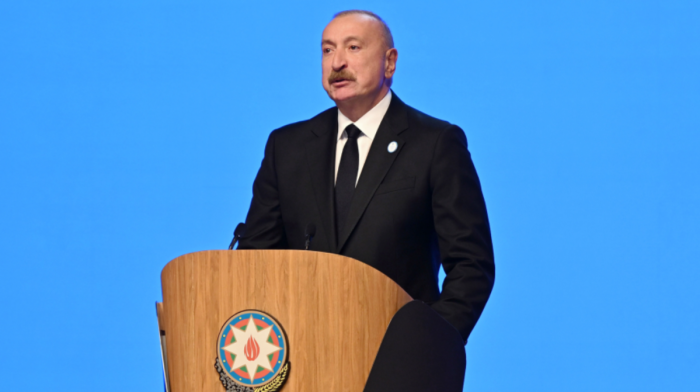
President Ilham Aliyev said 2025 has politically closed the Armenia-Azerbaijan conflict, as a Trump-era reset in U.S. ties, new transport corridors and a push into AI, renewables and defence production reshape Azerbaijan’s priorities.
Protests continued into another day in Iran, with crowds returning to the streets despite mounting pressure from the authorities. By scale and spread, the unrest has entered its most significant phase so far.
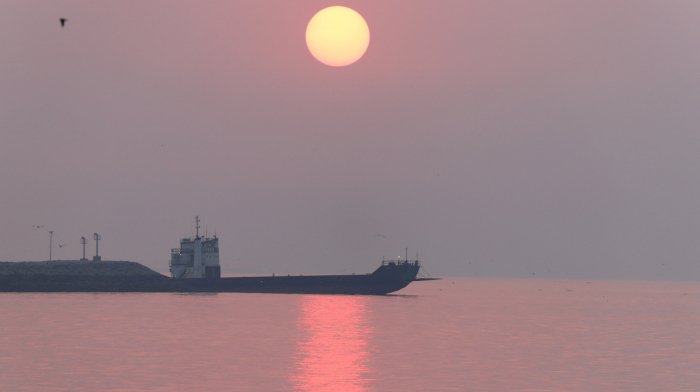
The United States says it's set to receive a shipment of crude oil from South America following a significant diplomatic and economic arrangement brokered by the White House involving sanctioned assets.
Diplomatic tensions between Tokyo and Beijing escalated as Japan slams China's export ban on dual-use goods. Markets have wobbled as fears grow over a potential rare earth embargo affecting global supply chains.
Start your day informed with AnewZ Morning Brief: here are the top news stories for the 7th of January, covering the latest developments you need to know.
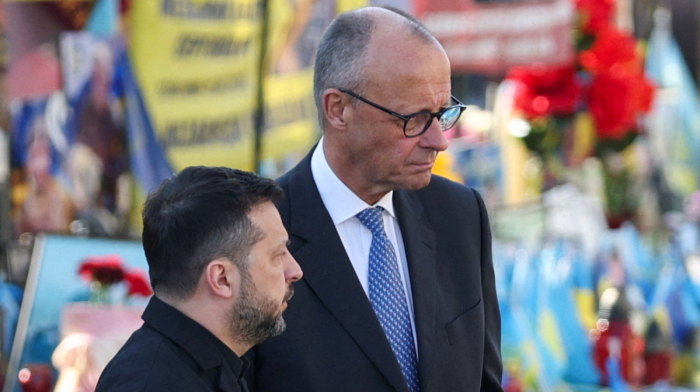
European countries and the United States presented a united front in support of Ukraine, unveiling security guarantees backed by Washington and a detailed plan for long-term assistance contingent on a ceasefire with Russia.
South Korean President Lee Jae Myung said on Wednesday (7 January), that significant progress has been made in restoring trust with China. He also reiterated that relations with Japan are equally important for Seoul’s diplomacy amid shifting regional dynamics.
You can download the AnewZ application from Play Store and the App Store.
What is your opinion on this topic?
Leave the first comment