Yemen’s War Explained: How a local power struggle became a regional battle
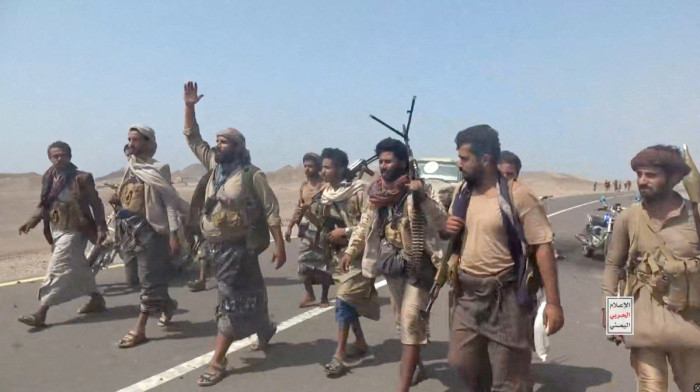
Yemen has plunged back into full-scale war after nearly four years of uneasy calm. Since fighting resumed in July 2026, Houthi forces have seized k...
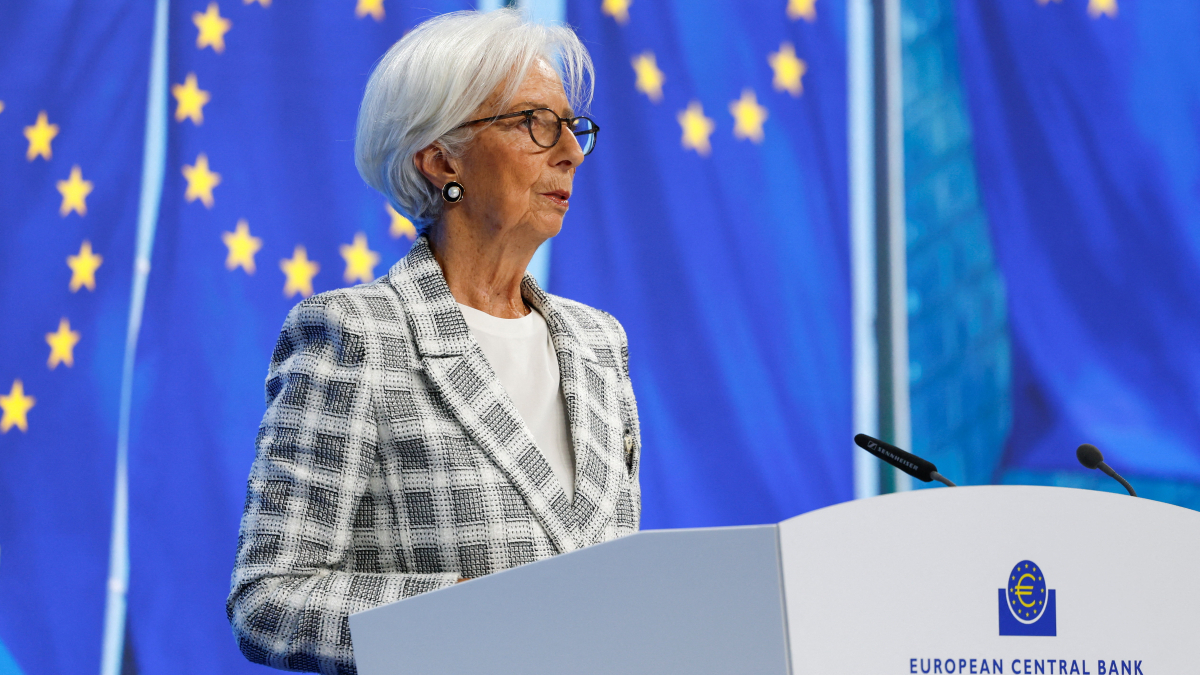
European Central Bank (ECB) President Christine Lagarde said on Thursday she would step down eight months early, seeking greater freedom to speak out on global issues beyond monetary policy.
Lagarde, 70, has led the ECB since November 2019, after serving as managing director of the International Monetary Fund (IMF). Her term was due to expire in October 2027.
“There is never a good time to leave,” Lagarde said at a press conference, explaining that she wanted to take a more active role in public debate.
“I want to have the freedom of speech, the freedom of expression and the freedom to engage on matters that are not monetary policy matters,” she said.
Lagarde said senior central bank officials must remain politically neutral, restricting their ability to comment publicly on issues beyond monetary policy.
“We have an obligation of neutrality, we comment on the situation with the focus on monetary policy,” she said, describing these restrictions as “the price we pay for being independent.”
She also raised concerns about the growing distortion of facts in public debate.
“I'm interested in the truth, and I see the truth being very often damaged, contradicted by misrepresentation,” she said, without naming specific individuals or events.
With more than two decades of experience in international finance and economic policymaking, Lagarde said she hoped to contribute to broader global discussions after leaving office.
Lagarde sought to calm concerns over the impact of her early departure, insisting the ECB would continue operating smoothly.
“A process has already started to identify my successor,” she said, adding that there were several qualified candidates for the role.
She also rejected suggestions that the transition could disrupt monetary policy decisions.
“Don't worry about decision making in limbo, no, absolutely not,” Lagarde said. “The institution is solid, strong, like a rock, and it will continue being so.”
Her early exit accelerates a major leadership change at the ECB, one of the world's most influential central banks and the institution responsible for setting monetary policy across the eurozone.
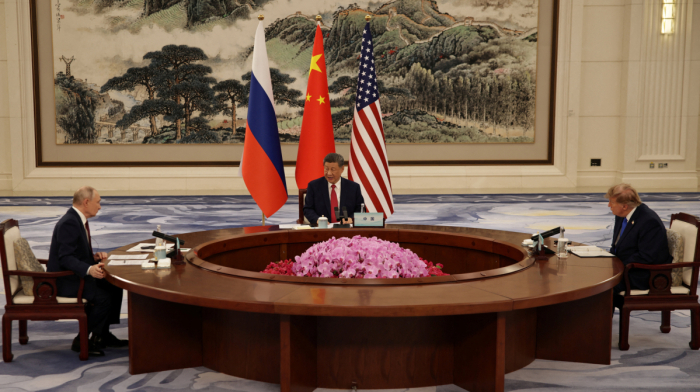
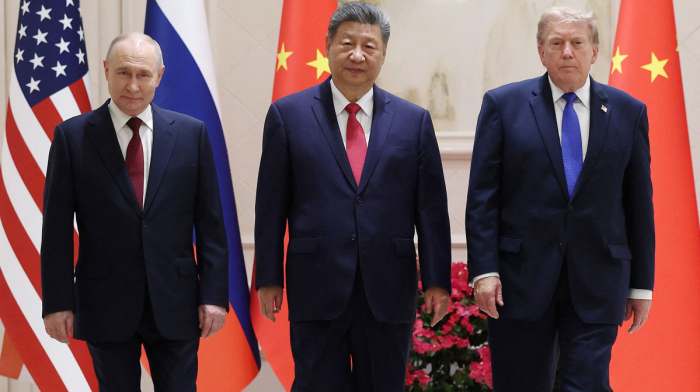
U.S. President Donald Trump, Russian President Vladimir Putin and Chinese President Xi Jinping are holding trilateral talks at the APEC summit in Shenzhen, China, with Ukraine, nuclear arms control and global security on the agenda.
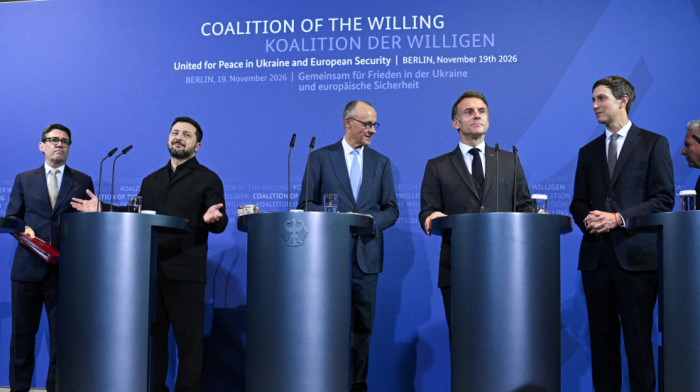
European leaders backing Ukraine met in Berlin on Thursday 19 November and warned that no peace deal should be settled without them.
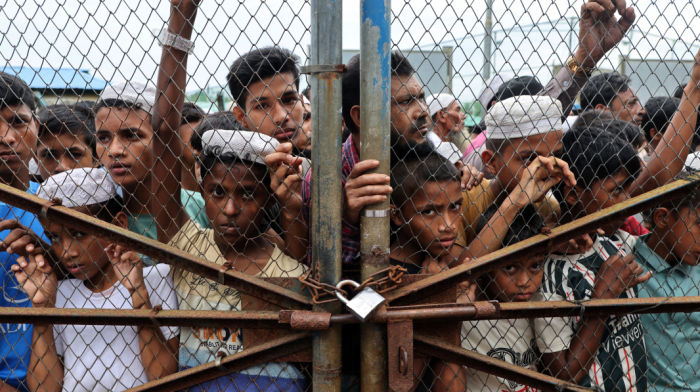
Myanmar's security forces committed genocide against Rohingya Muslims during a brutal military crackdown in 2017 that killed thousands and involved widespread sexual violence, the United Nations' top court ruled on 19 November.
U.S. President Donald Trump, China's Xi Jinping and Russia's Vladimir Putin have issued a joint “declaration of peace” following historic talks in southern China, but stopped short of committing to nuclear arms reductions or addressing the war in Ukraine in their joint statement.
Saudi Arabia is preparing for up to six more months of fighting against Yemen’s Houthis, potentially extending the conflict into spring 2027, Reuters reported, as the kingdom struggles to secure gains on the ground.
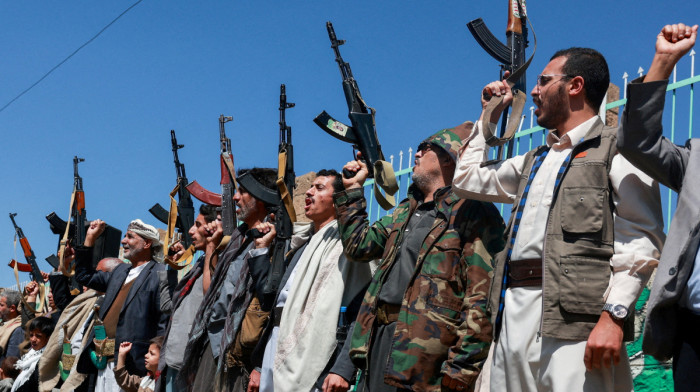
Yemen has plunged back into full-scale war after nearly four years of uneasy calm. Since fighting resumed in July 2026, Houthi forces have seized key territory, Saudi air strikes have returned and millions of civilians face a deepening humanitarian crisis.
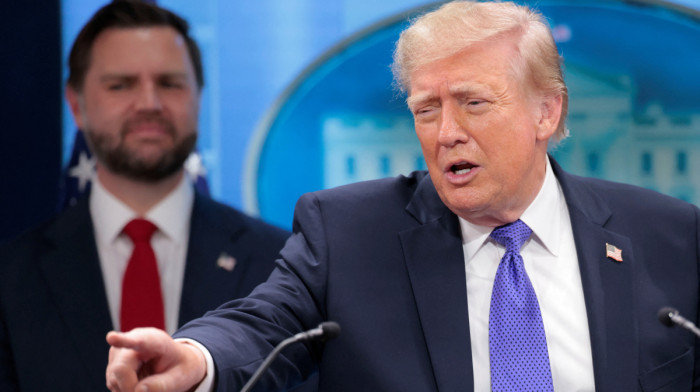
U.S. President Donald Trump has said China agreed for the first time to join trilateral talks on reducing nuclear risk at this week’s summit with Russia’s Vladimir Putin and China’s Xi Jinping.
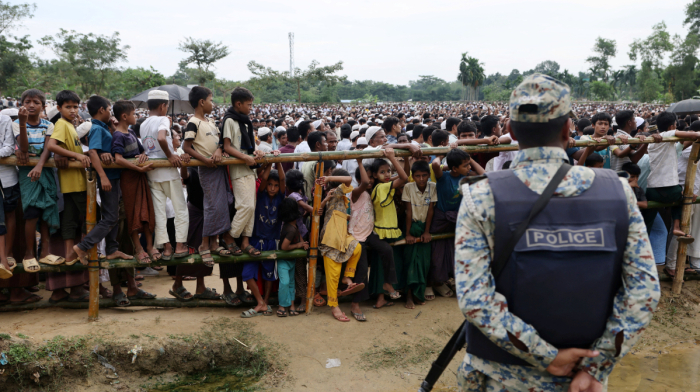
The United Nations' highest court has ruled that Myanmar committed genocide against its Rohingya Muslim minority during a 2017 military crackdown that forced hundreds of thousands to flee their homes.
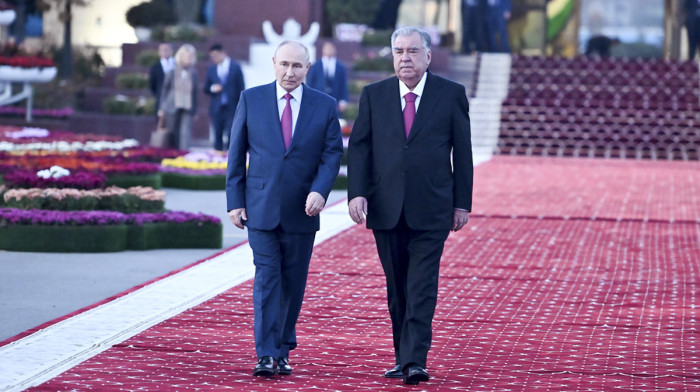
Tajik President Emomali Rahmon and Russian President Vladimir Putin held talks in Dushanbe on 20 November, focusing on labour migration, security along Tajikistan’s border with Afghanistan and the future of Russia’s military presence in the country.
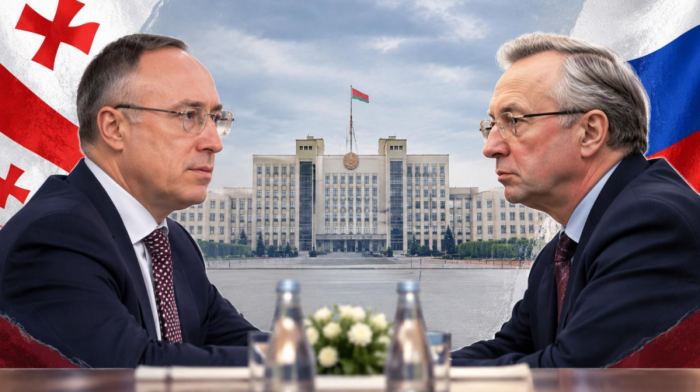
Georgia and Russia have resumed direct official talks, with senior diplomats meeting in Minsk on 19 November to discuss trade, economic cooperation and regional security, despite longstanding tensions between the two countries.
You can download the AnewZ application from Play Store and the App Store.
What is your opinion on this topic?
Leave the first comment