Peacebuilding, media responsibility and the growing challenge of disinformation dominated discussions in Baku ahead of the opening of the 7th World Forum on Intercultural Dialogue, which will bring together international policymakers, academics, media representatives and civil society leaders.
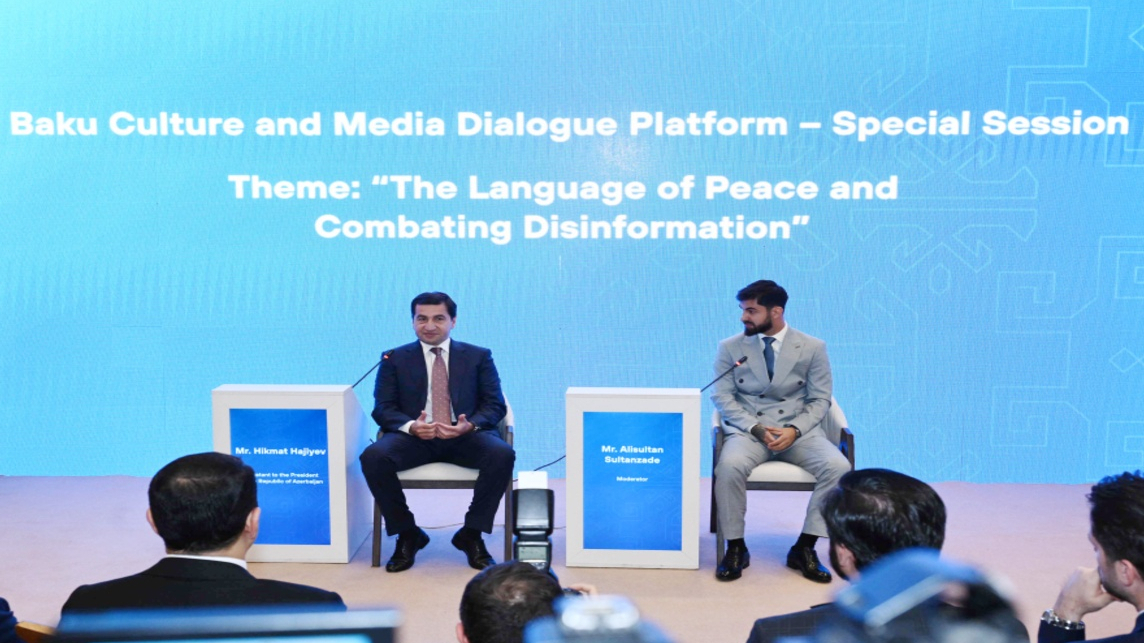
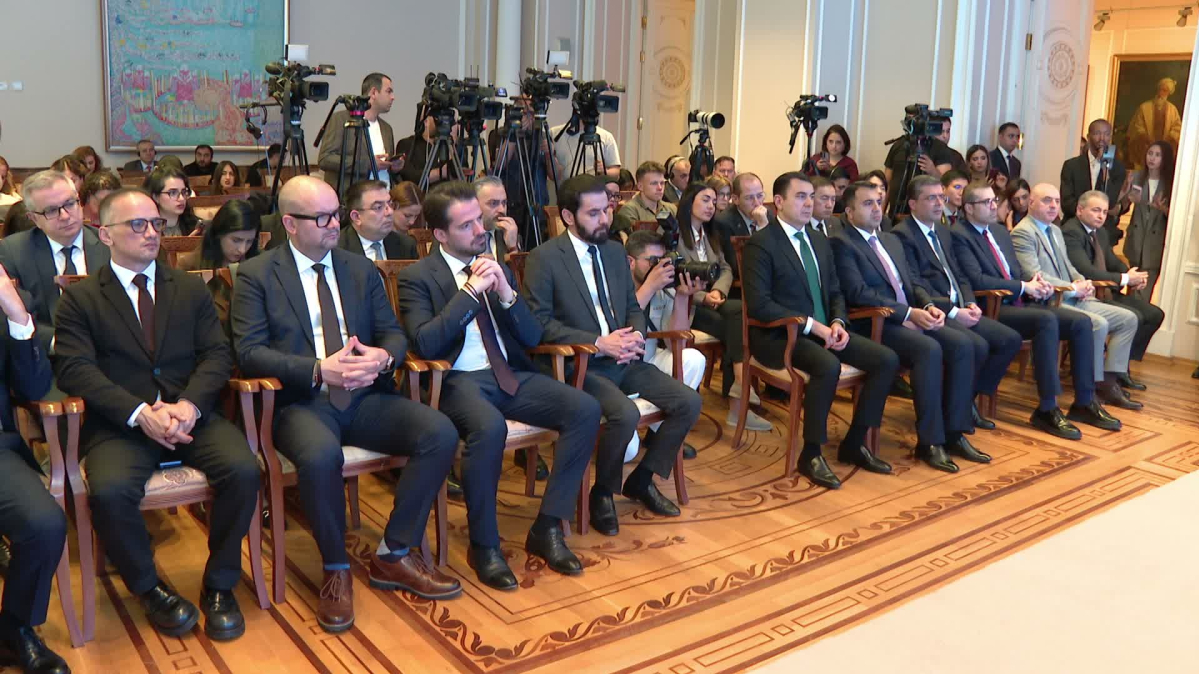
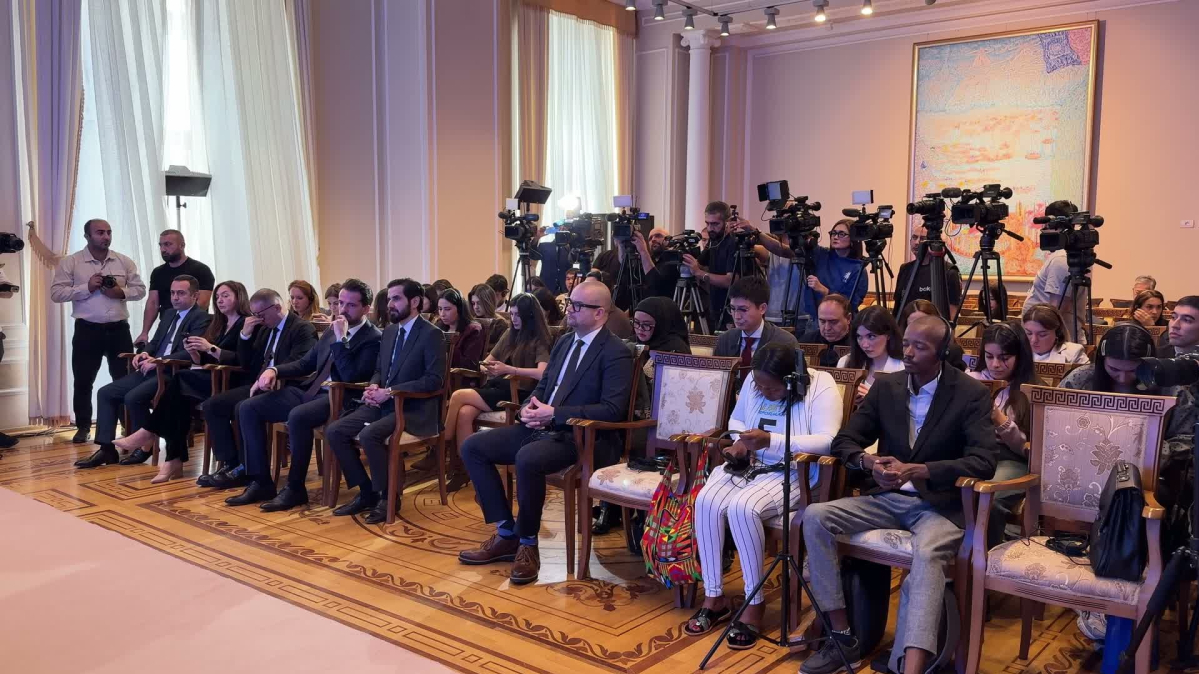
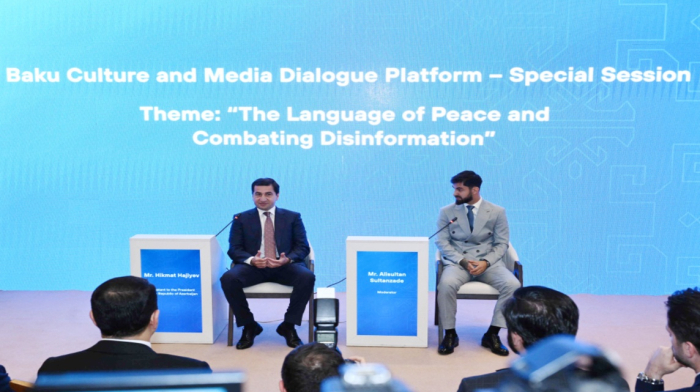
This special session on media and information integrity was held at the Azerbaijan National Museum of Art under the framework of the Baku Culture and Media Dialogue Platform focused on the, “Language of peace and countering disinformation”.
The three-day forum from October 27 to 29, which will be held under the theme “Dialogue for a Shared Future: Building Bridges in a Fractured World,” aims to move beyond traditional cultural exchanges and focus on practical approaches to addressing global divisions, promoting cooperation and strengthening prospects for lasting peace.
Disinformation becoming part of broader hybrid threats
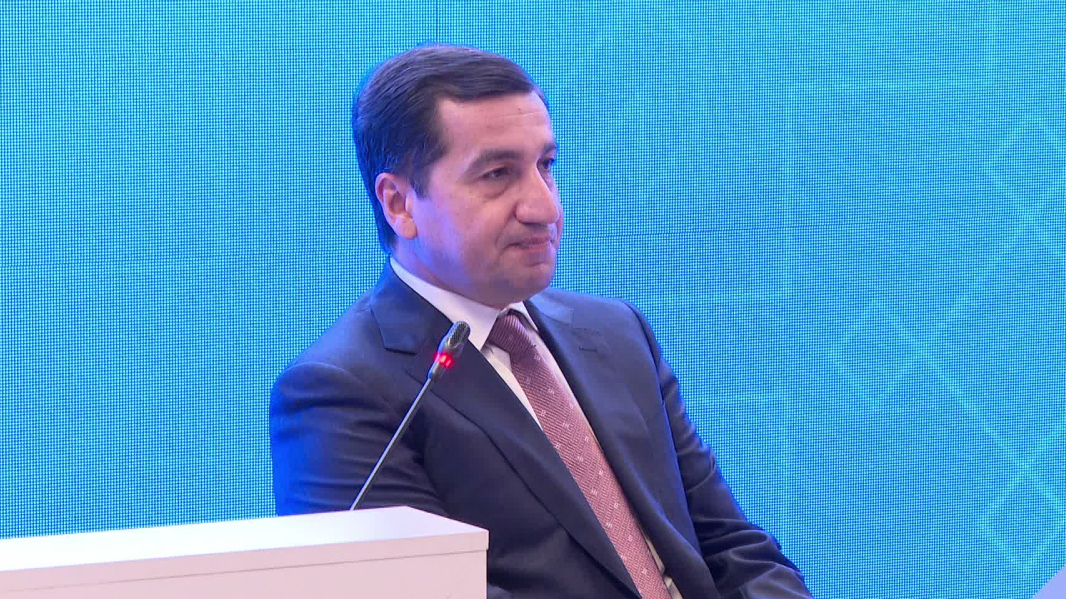
Speaking at the event, Hikmet Hajiyev, Assistant to the President of Azerbaijan and Head of the Foreign Policy Affairs Department of the Presidential Administration, warned that advances in artificial intelligence and the growing reach of social media are creating new challenges for the information environment, making it easier for misleading content to spread rapidly.
“Now what we see, disinformation, misinformation and all associated elements are becoming part of the broader hybrid strategy affecting countries and affecting societies,” Hajiyev said.
He argued that false or manipulated information is increasingly being used as a tool to influence public opinion and shape political and social dynamics.
Participants at the session discussed the pressures facing journalism in the digital era and emphasised the importance of responsible reporting, media literacy and public trust as emerging technologies continue to reshape how information is produced and consumed.
Azerbaijan reiterates commitment to peace with Armenia
Turning to regional issues, Hajiyev reiterated Azerbaijan's stated commitment to achieving a lasting settlement with Armenia following decades of conflict in the South Caucasus.
He said Azerbaijan had proposed the core principles of a peace agreement after the 2020 war and stressed that sustainable peace would require more than diplomatic signatures.
According to Hajiyev, confidence-building measures and reconciliation between societies will remain essential components of any durable agreement.
At the same time, he expressed concern over what he described as revanchist sentiment among some groups in Armenia and the role of disinformation in undermining efforts to normalise relations.
“We have peace arrangements on the ground, initially, but certainly I believe that every Azerbaijani, particularly the Azerbaijanis who have been expelled from their territories, lived as refugees and IDPs for 30 years, were subject to ethnic cleansing, they are expecting such a message of an apology from the Armenian side.”
He added that such a step should form part of a broader process aimed at building confidence and strengthening peace between the two countries.
Despite ongoing challenges, Azerbaijani officials maintain that establishing a stable and lasting peace architecture in the South Caucasus remains one of the country's key strategic priorities.
Forum to address global challenges
The World Forum on Intercultural Dialogue officially opens on 27 October and will continue through 29 October at venues across Baku, including Gulustan Palace, the Heydar Aliyev Center, the Heydar Aliyev Palace, Baku Boulevard and the Garabagh University in Khankendi.
The programme includes plenary discussions, ministerial meetings, thematic dialogues, a gathering of religious leaders, a Global Youth Forum and the One Humanity Concert.
Delegates are expected to discuss a broad range of issues, including cultural heritage, migration, xenophobia, artificial intelligence, climate change, global security and conflict prevention.
Organisers say the forum's objective is to encourage practical cooperation and dialogue at a time when geopolitical tensions, social fragmentation and technological disruption are reshaping international relations.
Volunteers support preparations
In the lead-up to the event, Azerbaijan's Ministry of Culture organised a large-scale flash mob at Seaside National Park, bringing together more than 1,500 volunteers who will assist with forum activities.
As global tensions, technological disruption and social fragmentation reshape international relations, organisers say the forum's goal is not only to encourage dialogue but also to identify practical ways to bridge political, cultural and social divides.
Discussions over the next three days will focus on turning broad calls for cooperation into tangible initiatives that support peace, mutual understanding and shared security.
Read more:









What is your opinion on this topic?
Leave the first comment