A federal judge has halted a Trump administration immigration policy that would have significantly changed how long foreign students, exchange visitors and international journalists can remain in the United States.
The ruling, issued by U.S. District Judge F. Dennis Saylor in Boston, prevents the Department of Homeland Security from enforcing a regulation that was due to take effect this week.
The policy would have replaced a longstanding system that allows many foreign students and exchange visitors to remain in the U.S. for the duration of their approved academic or professional programmes.
Court rejects government's reasoning
In his decision, Saylor found that the administration had failed to adequately justify the change and had not sufficiently addressed concerns raised during the rulemaking process.
The government argued that the new restrictions were necessary to strengthen national security and reduce abuse within visa programmes. However, the judge concluded that officials had not demonstrated why such sweeping changes were needed or why less disruptive alternatives could not achieve the same goals.
The ruling effectively freezes the policy while legal challenges against it continue.
The regulation would have imposed fixed limits on several visa categories that historically provided greater flexibility.
International students holding F visas and participants in educational and cultural exchange programmes under J visas would have faced a four-year cap before needing to seek extensions or renewals.
Foreign journalists working in the U.S. under I visas would have been restricted to significantly shorter periods of stay than currently allowed.
Supporters of the policy argued that fixed time limits would give immigration authorities greater oversight and help prevent overstays. Critics, however, said the changes would create uncertainty for students, researchers, academics and media professionals whose work often extends beyond rigid timelines.
Universities warn of major consequences
The challenge to the rule was brought by a coalition of labour organisations and higher education advocacy groups, which argued that the policy would damage the U.S. education system and weaken the country's ability to attract global talent.
American universities have long relied on international students and researchers, particularly in graduate programmes and advanced scientific research.
Institutions such as Harvard University and the Massachusetts Institute of Technology enrol large numbers of foreign students, many of whom contribute to research projects in fields ranging from medicine and engineering to artificial intelligence.
Opponents of the rule warned that requiring millions of visa holders to navigate new renewal requirements would increase costs, create administrative burdens and discourage talented students from choosing the United States for their studies.
The judge emphasised that the existing visa framework has been in place for decades and has played a major role in supporting American research, innovation and economic growth.
Foreign students contribute billions of dollars annually to the U.S. economy through tuition payments, living expenses and research activities. Many also join sectors facing skill shortages, particularly in science, technology, engineering and mathematics.
Critics of the rule argued that the changes could ultimately undermine U.S. competitiveness by making other countries appear more attractive destinations for international talent.
Media organisations also expressed concerns that stricter limits on journalist visas could hamper long-term reporting assignments and reduce the ability of international news outlets to maintain a presence in the United States.
Broader immigration debate
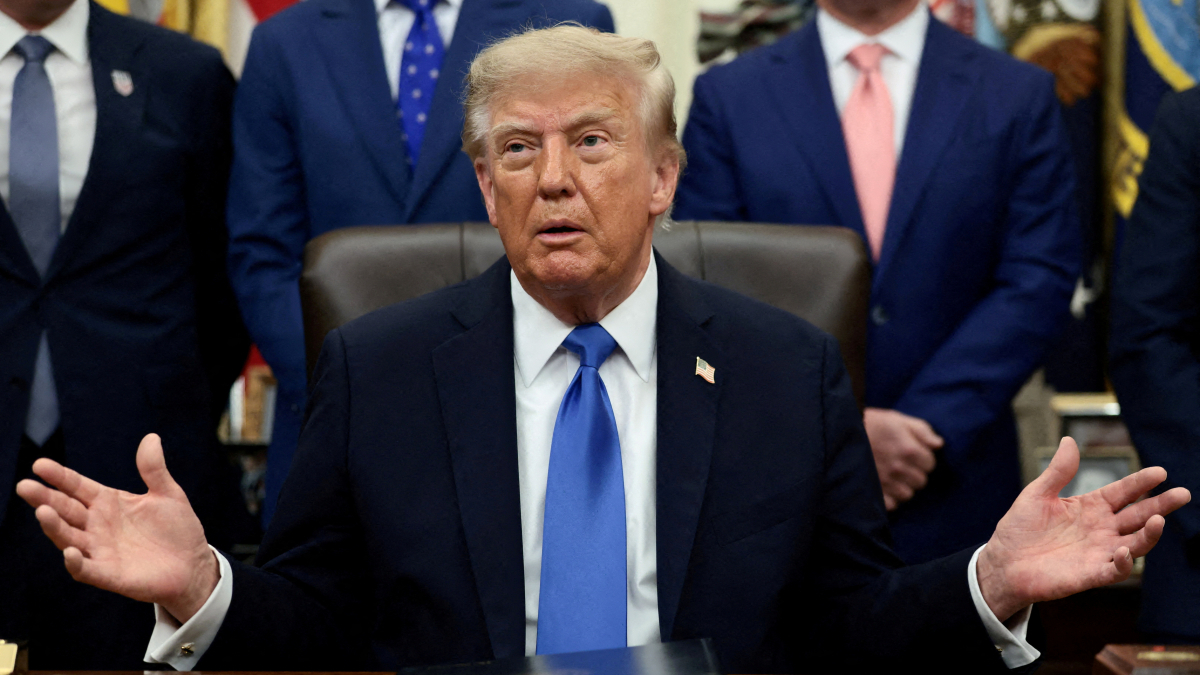
The case is the latest legal battle over immigration policies introduced during Trump's presidency. His administration has repeatedly argued that tighter controls are needed to protect national security and ensure compliance with immigration laws.
Opponents counter that many of the proposed changes risk harming sectors that depend heavily on international students, researchers and skilled professionals.
For now, the court's decision preserves the existing system, allowing foreign students, exchange visitors and journalists to continue operating under the long-established “duration of status” framework while the legal challenge moves forward.
The ruling offers temporary relief to universities and advocacy groups that warned the policy could trigger significant academic, economic and administrative disruption across the United States.
Read More:
















What is your opinion on this topic?
Leave the first comment