Spanish Prime Minister Pedro Sánchez has rejected claims that Moroccan authorities orchestrated July’s deadly mass border crossing into Ceuta, saying Spain has found no evidence that Rabat planned or carried out the incident.
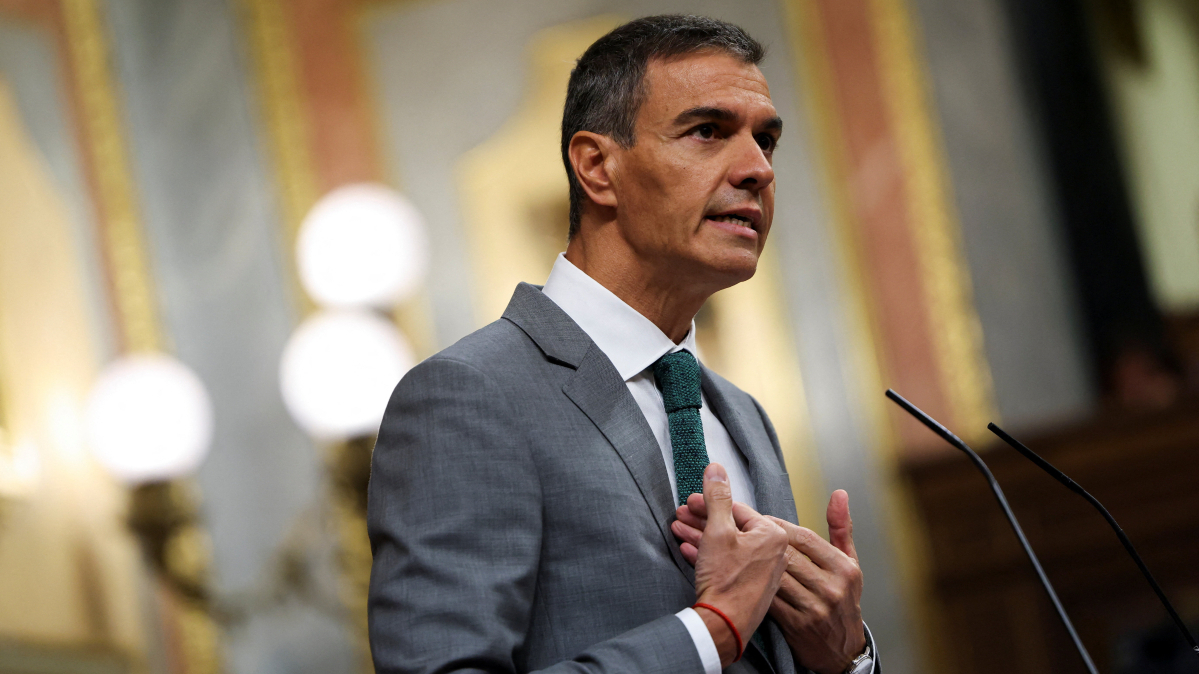
Speaking in parliament on Thursday, Sánchez responded to a Spanish police report that suggested the arrival of more than 70,000 people into Ceuta was not a spontaneous migration event but a planned effort to overwhelm border controls.
“I can assure you that no institution - not the diplomatic service, nor the European Commission, nor any international body - has provided the Spanish government with any solid evidence that Morocco planned or carried out the incident,” Sánchez said.
However, Sánchez said Moroccan police allowed crossings to take place during a key 10-hour period on July 30, when arrivals peaked. He added that Spanish authorities had not yet determined whether this was due to inaction or an inability to contain the influx.
Police report raises questions over border response
The police report, commissioned by a Spanish High Court judge and seen by Reuters, alleged that Moroccan security forces were initially deployed in smaller numbers than usual near the border area and did not make serious attempts to disperse crowds.
The report said some uniformed Moroccan officers gave directions towards the crossing point, while other unidentified individuals appeared to guide or monitor the movement of people.
It also cited interviews with migrants who said they had received guidance from Moroccan security forces before crossing.
However, the report did not identify individual officers or provide independently verified evidence of orders from Moroccan authorities.
Moroccan authorities did not respond to a Reuters request for comment, but they have previously denied allowing the crossings, blaming traffickers, social media rumours and other factors.
Protests over migration crisis
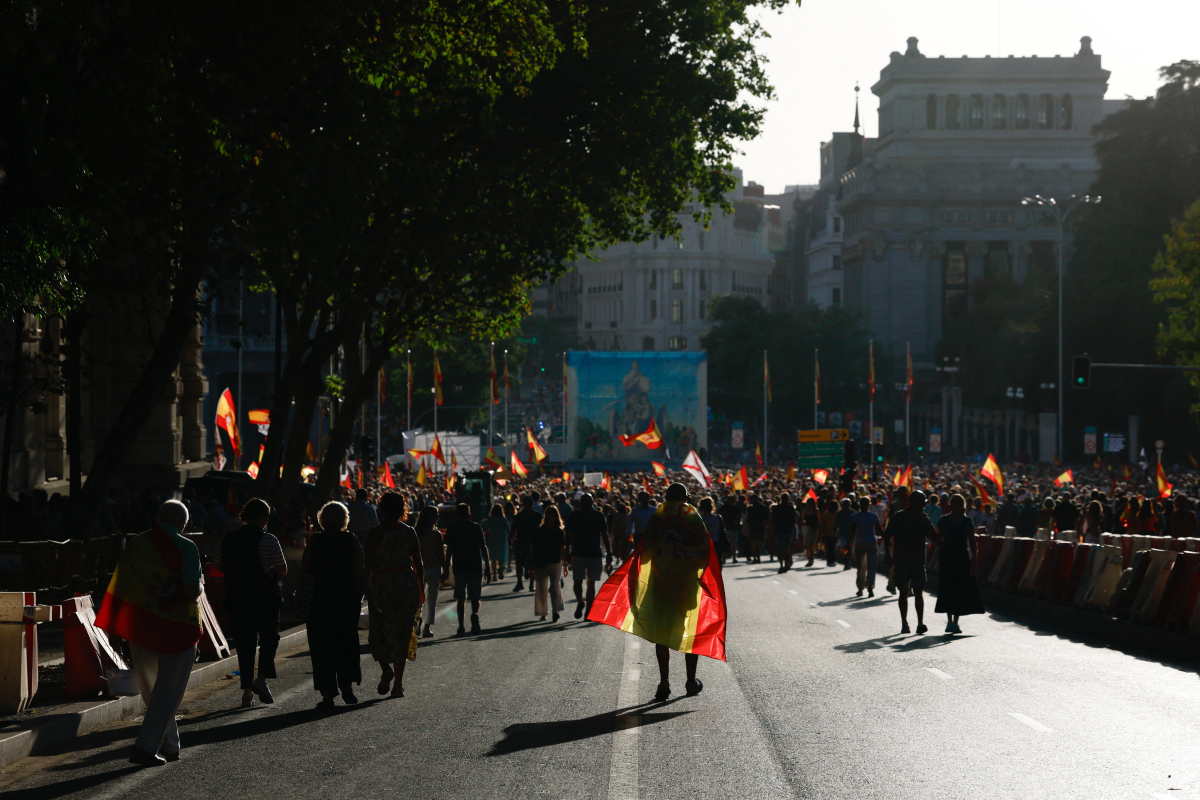
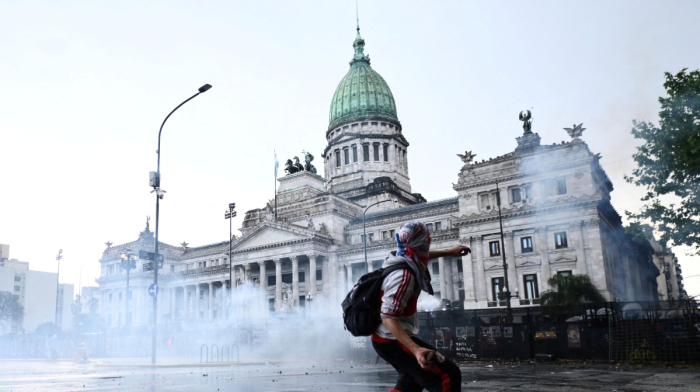
The migration crisis has triggered protests in Ceuta and other Spanish cities, with residents criticising the government’s handling of the situation.
Residents have called on authorities to return people without the right to remain to their countries of origin or relocate them to other parts of Spain.
The protests have increased political pressure on Sánchez’s government, while officials have accused opponents of using the crisis for political purposes.














What is your opinion on this topic?
Leave the first comment