U.S. Senate passes sweeping Russia and Iran sanctions bill
The U.S. Senate has overwhelmingly passed legislation that would introduce sweeping sanctions against Russia and expand penalties on Iran, clearing a...
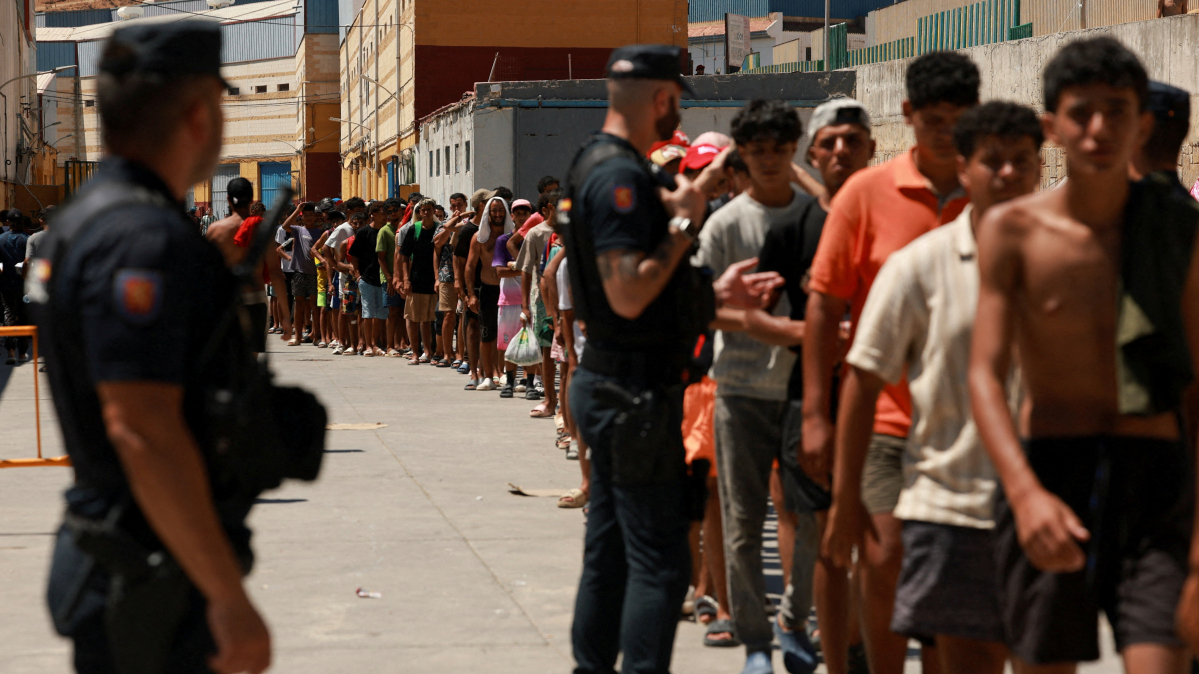
Spain has introduced border controls on air and sea travel from Italy as a dispute between the two EU countries over irregular migration escalates.
The new restrictions come after Italy introduced similar measures on Spain after 78,000 migrants from Morocco crossed into the Spanish exclave of Ceuta.
Passport, nationality and visa checks would be conducted for Italian passengers and visitors from other countries arriving from Italy, Spain said, blaming “persistent irregular migratory pressure,” from Italy.
The government of right-wing Italian Prime Minister Giorgia Meloni previously said that Rome’s checks would remain until at least 15 August.
The Italian government justified the suspension of the border-free Schengen arrangement by saying it was an attempt to stop migrants who had entered Ceuta on 30 July from crossing into Italy.
“This is an extraordinary measure, adopted to safeguard national security and prevent possible repercussions for our Nation. The measure will be kept in force only for the time necessary, with particular attention to limiting any impact on summer tourist flows,” Meloni said in a statement on 31 July.
Madrid’s left-wing government demanded that Italy reverse the restrictions by Sunday and said that the migrants who entered Ceuta, which is on the north African coast, had no way of entering the Schengen zone.
Meloni has positioned herself as one of Europe's leading advocates of tighter immigration controls, while Sanchez has generally defended a more liberal approach and recently backed a large-scale regularisation programme for undocumented migrants.
Read more about the Ceuta migrant crisis:

Shipping traffic through the Strait of Hormuz and the Bab el-Mandeb Strait, two key maritime chokepoints in the region, decreased significantly from the previous day, according to shipping data.
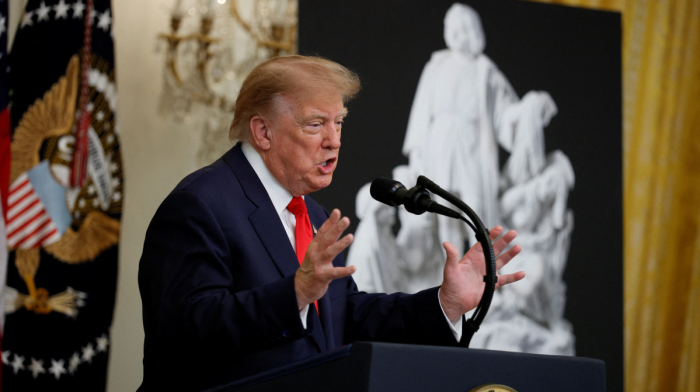
U.S. President Donald Trump said negotiations to reopen the Strait of Hormuz are progressing and suggested an agreement with Iran could be reached “soon”.
U.S. President Donald Trump may have to accept concessions he previously opposed if he wants to secure a deal with Iran to reopen the Strait of Hormuz, according to analysts, as negotiators move closer to a temporary agreement.
Kazakhstan’s main oil export corridor was disrupted by drone strikes near Russia’s Black Sea coast in July, forcing a temporary suspension of crude loadings and raising fresh concerns over the vulnerability of regional energy infrastructure to the war in Ukraine.
A U.S. judge has ordered Meta to pay an additional $567 million over claims that its platforms failed to protect children from online harm.
The U.S. Senate has overwhelmingly passed legislation that would introduce sweeping sanctions against Russia and expand penalties on Iran, clearing a major hurdle for a bill that has been delayed for more than a year.
Lawyer and political newcomer Abelardo de la Espriella has been sworn in as Colombia's president in a ceremony in Cali.
Two U.S. federal judges have cleared the way for the Trump administration to end temporary deportation protections for thousands of people from South Sudan and Myanmar.
A U.S. federal appeals court has ordered the Trump administration to stop construction of a planned $400 million ballroom at the White House.
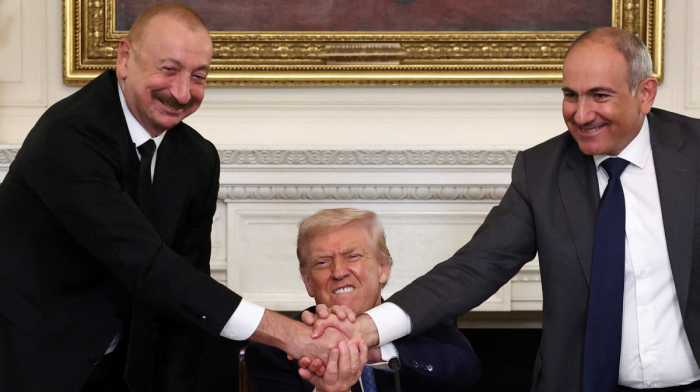
One year after its launch, the Trump Route for International Peace and Prosperity (TRIPP) has emerged as one of the most significant diplomatic and economic initiatives in the South Caucasus, linking peace efforts between Armenia and Azerbaijan with expanding trade and regional connectivity.
You can download the AnewZ application from Play Store and the App Store.
What is your opinion on this topic?
Leave the first comment