Taiwan’s cabinet is set to propose a 16 per cent annual increase in defence spending for 2027, taking the total above T$1 trillion ($31 billion) for the first time, according to the official Central News Agency.
The increase comes as Taipei seeks to strengthen its military amid growing pressure from China and calls from Washington for Taiwan to spend more on its own defence.
The proposed defence budget of more than T$1.1 trillion is expected to be unveiled on 20 August and will include funding for the coast guard, veterans and special projects.
The Central News Agency said the total, as in 2026, would exceed 3 per cent of Taiwan’s gross domestic product. Detailed figures are expected to be finalised at the cabinet’s last meeting before the announcement.
Taiwan has made military modernisation a key policy priority and has repeatedly pledged to increase defence spending, including through the development of domestically produced submarines.
Pressure grows amid China tensions
China regards democratically governed Taiwan as part of its territory, a claim strongly rejected by Taipei, and has stepped up military and political pressure around the island in recent years.
Chinese military aircraft and vessels operate around Taiwan on an almost daily basis, while Beijing has also staged periodic military exercises, most recently in late December.
China is also rapidly modernising its armed forces with new aircraft carriers, stealth fighter jets and missile systems.
In March, Beijing announced a 7 per cent increase in its defence spending for 2026, taking the budget to 1.91 trillion yuan ($283.08 billion).
Washington has also urged Taiwan to increase its defence spending, a position President Lai Ching-te has supported.
Han Kuang exercises continue
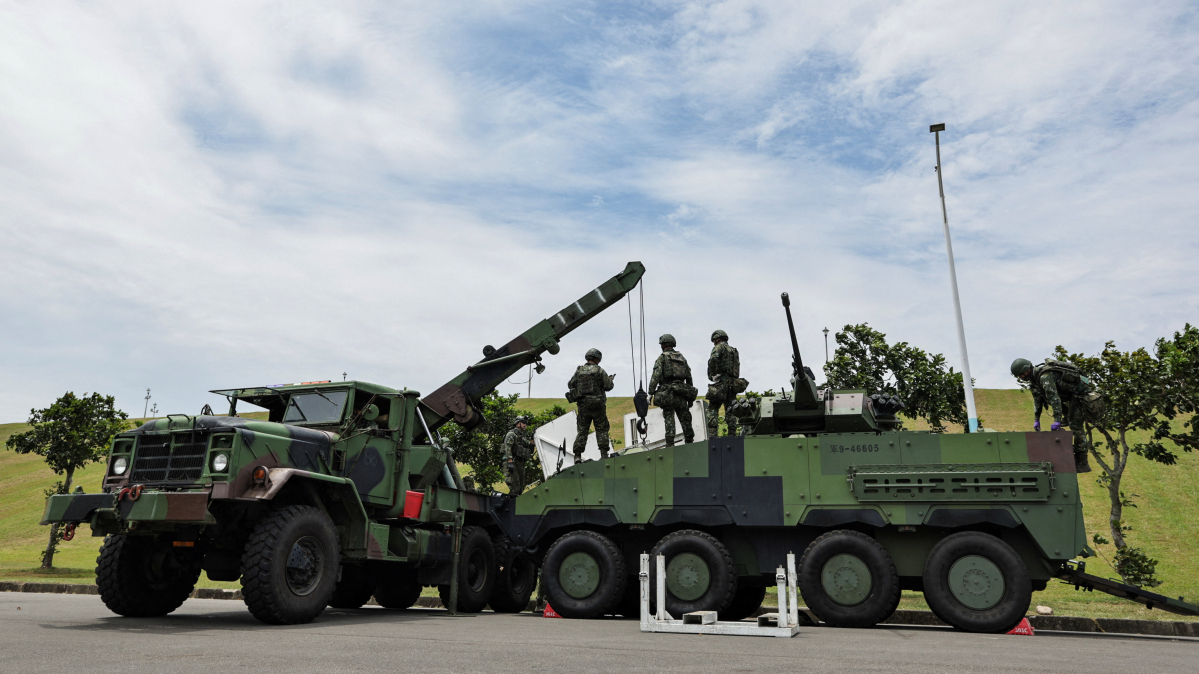
Taiwan is currently holding its annual Han Kuang military exercises, designed to test the island’s readiness for a range of possible security scenarios.
Speaking while observing drills in the northern city of Taoyuan on Sunday, Lai said each exercise helped build experience and strengthen confidence within the military.
“Every bit of solid preparation in peacetime adds another measure of stability and strength for our nation,” Lai said in comments posted on Facebook.
China refuses to engage with Lai, describing him as a “separatist”. Lai says Taiwan’s future can only be decided by its people.
Chemical attack response tested
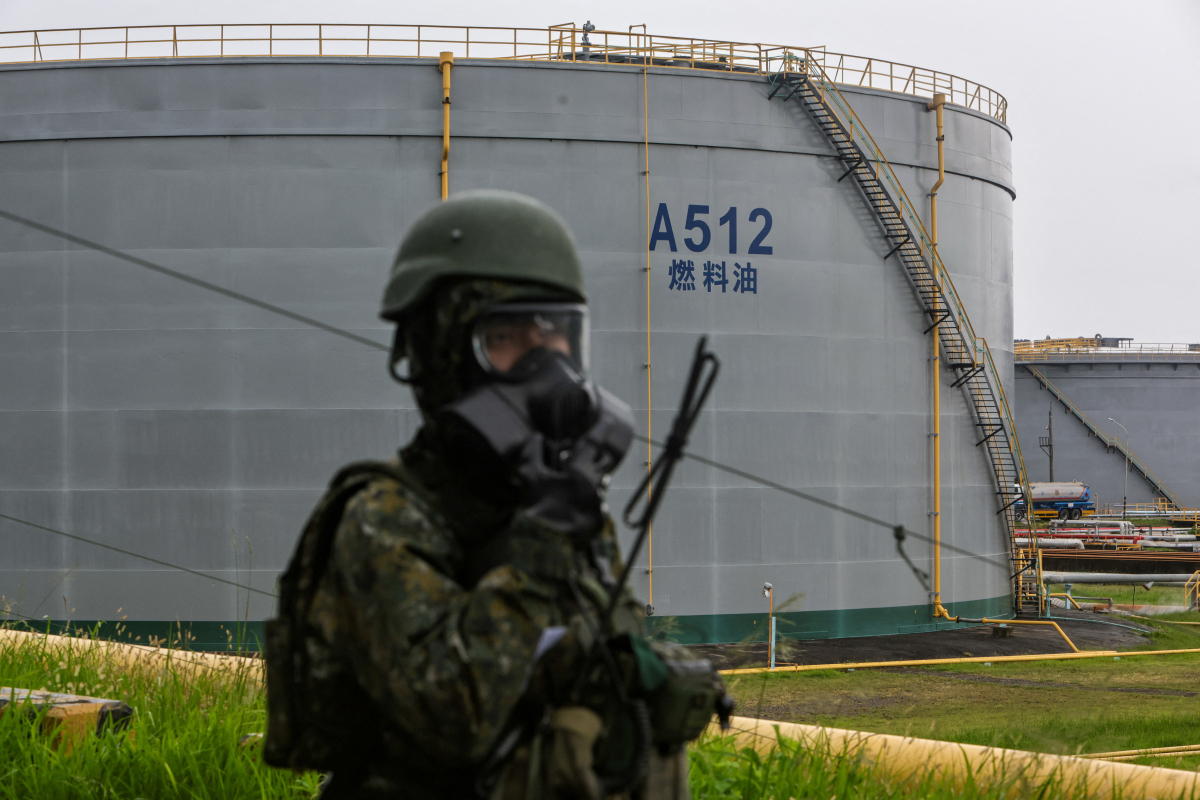
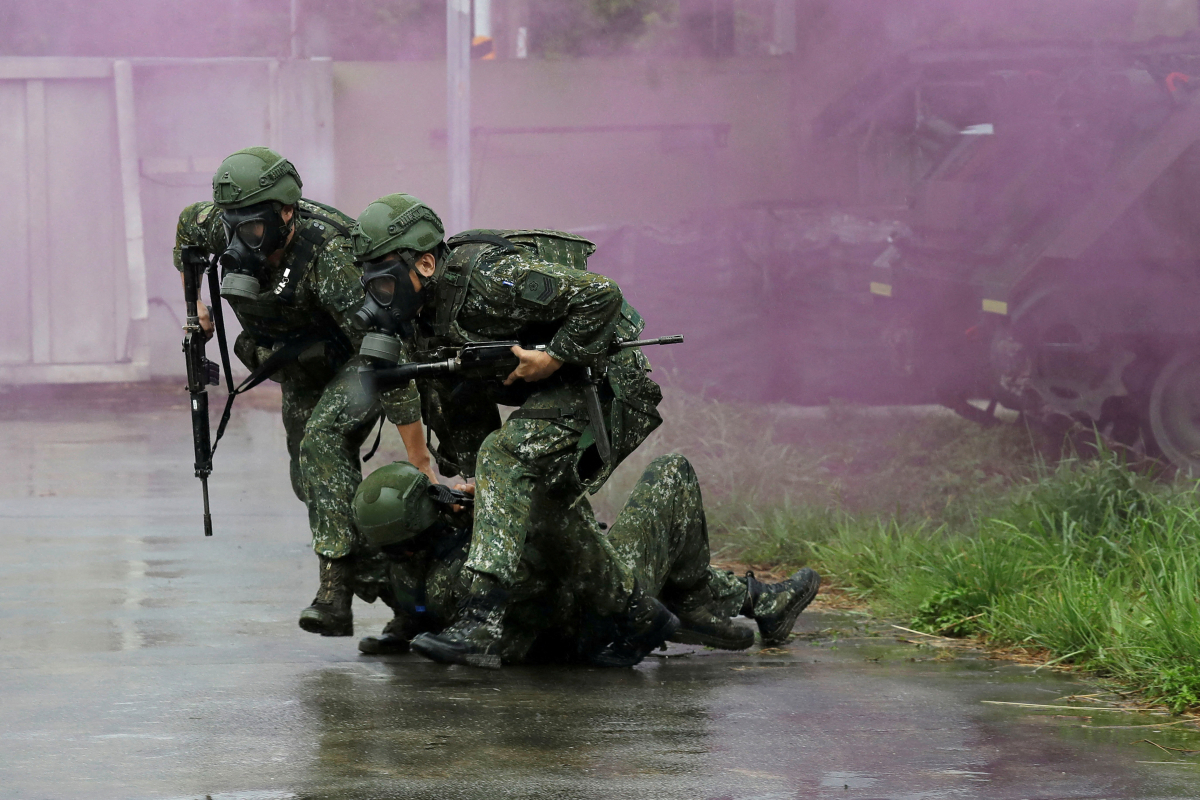
On Taiwan’s east coast, the military also conducted a nuclear, biological and chemical decontamination exercise on Sunday, simulating a chemical weapons attack.
Soldiers, tanks and armoured vehicles were decontaminated and disinfected as part of the drill.
The exercise was intended to test the military’s ability to respond rapidly to such an attack and return personnel and equipment to front-line operations as quickly as possible.
Read more:









What is your opinion on this topic?
Leave the first comment