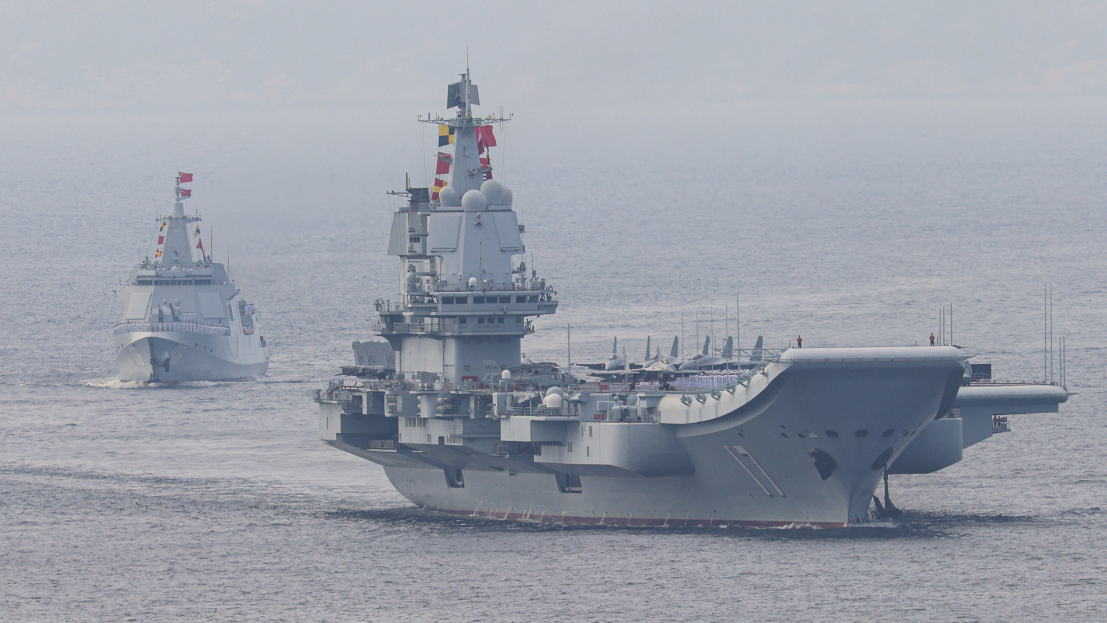
China said on Saturday it had launched a coast guard patrol east of Taiwan, prompting a strong protest from Taipei, which accused Beijing of illegally expanding its authority and undermining regional stability.
The patrol marks the second such operation in about a month in waters off Taiwan’s eastern coast, an area that has become a growing focus of tensions between Beijing and Taipei.
China’s Coast Guard said the fleet would carry out “law enforcement patrols” and strengthen its presence in what it described as China’s jurisdictional waters.
According to a statement from the coast guard, the operation was intended to “firmly safeguard China’s territorial sovereignty and maritime rights and interests”.
Taiwan rejects China's claims
Taiwan’s government condemned the patrol, rejecting China’s assertion that it has authority in the waters east of the island.
“The Chinese communists have no sovereignty or related rights in the waters east of Taiwan, have no jurisdiction over these waters, and none of its official vessels have any law-enforcement authority there,” Taiwan’s Mainland Affairs Council said in a statement.
The council described the operation as an “illegal expansion of power in violation of international law and a disruption of regional stability”.
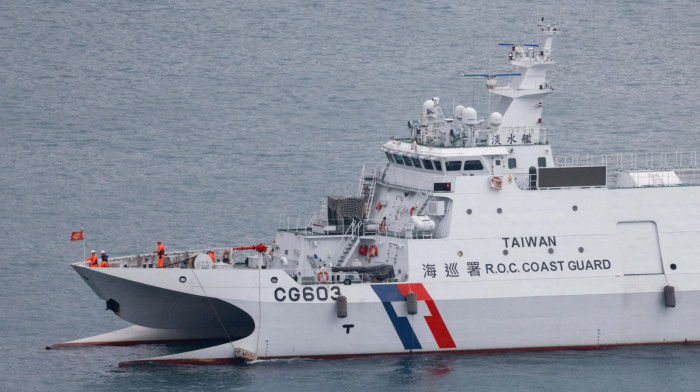
Taiwan’s Coast Guard said it was monitoring two Chinese vessels involved in the patrol and had deployed two of its own ships to track their movements.
Officials said that by Saturday morning, the Chinese vessels were located about 54 nautical miles east of Hualien, a city on Taiwan’s eastern coast that hosts a major air base. The ships remained outside restricted waters.
Taiwan’s Coast Guard said it would continue taking necessary steps to respond to what it called Chinese harassment.
Growing use of coast guard operations
China’s military conducts near-daily activities around Taiwan, which Beijing considers part of its territory despite the island’s self-governing status.
In recent years, China has increasingly relied on its coast guard to advance territorial claims. Taiwan has described the strategy as “lawfare”, using legal and administrative measures to support Beijing’s sovereignty claims.
The latest operation follows a similar patrol in June, which drew concern from several Western governments.
Beijing said the earlier deployment was linked to plans by Japan and the Philippines to begin formal discussions on maritime boundaries, an issue China said involved waters it claims around Taiwan.
Diplomatic tensions widen
The dispute has attracted international attention, with the United States, Britain, France and Germany all expressing concern about stability in the Taiwan Strait and surrounding waters.
Taiwan has recently instructed ships operating off its eastern coast to ignore any boarding or inspection demands from the Chinese Coast Guard. Authorities also said Taiwanese coast guard vessels would intervene if necessary.
China rejects Taiwan's claims of sovereignty, maintaining that the island is part of Chinese territory and that Beijing has jurisdiction over surrounding waters.
Taiwan, meanwhile, argues that China has no legal basis to exercise authority over the island or the waters under its control.
Maritime dispute expands
The issue also intersects with wider regional maritime disputes.
On Thursday, China’s Ministry of Natural Resources published what it described as a legal opinion on maritime boundary discussions between Japan and the Philippines.
The document argued that Tokyo and Manila should negotiate such matters directly with Beijing rather than engage with Taiwan, adding that other countries should refrain from assisting the two nations on the issue.
The latest patrol is likely to add to tensions around Taiwan as China increases pressure through military, coast guard and legal measures, while Taipei seeks support from international partners to resist Beijing’s territorial claims.















What is your opinion on this topic?
Leave the first comment