Tajikistan tripled fuel imports from neighbouring Central Asian countries in July after deliveries from Russia declined sharply, underscoring how disruptions to Russian exports are prompting governments across the region to seek alternative suppliers.
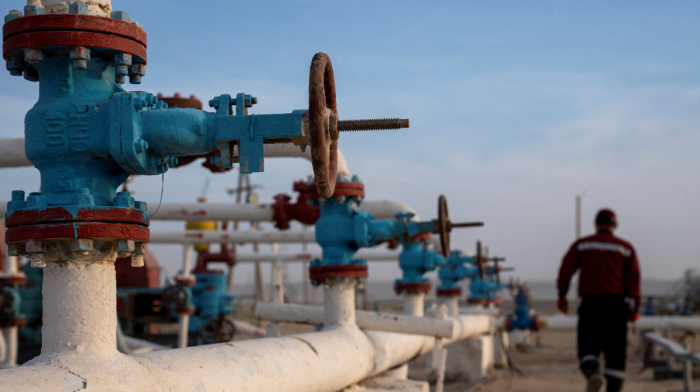
Tajikistan imported around 34,000 tonnes of fuel from Turkmenistan, Uzbekistan and Kazakhstan in July, nearly three times the volume recorded a month earlier according to Reuters. The increase followed a sharp reduction in Russian supplies as Moscow grapples with fuel shortages linked to Ukrainian drone strikes on its energy infrastructure.
Sources cited by Reuters said Russian petrol shipments to Tajikistan fell by half in July compared with June, dropping to 14,000 tonnes. Diesel deliveries declined by 2 per cent to 30,000 tonnes, while aviation fuel supplies ceased altogether.
The shortfall was largely offset by increased imports from regional suppliers. Petrol imports from Turkmenistan, Uzbekistan and Kazakhstan rose from 8,400 tonnes in June to 13,800 tonnes in July. Diesel imports surged from 2,400 tonnes to 17,600 tonnes over the same period, while aviation fuel deliveries increased from just 316 tonnes to 2,500 tonnes.
Tajikistan seeks alternative suppliers
The shift highlights Tajikistan’s efforts to diversify its fuel supply as disruptions to Russian exports continue. The country's Ministry of Transport confirmed on 6 August that the government was seeking alternative fuel sources, identifying Kazakhstan as its preferred supplier.
Negotiations are also underway with China, Turkmenistan, Iran and Belarus. The ministry said the shortages were linked to military operations in the Middle East.
Earlier in July, Energy and Water Resources Minister Daler Juma said the government had already begun discussions with several countries to secure additional fuel supplies and stabilise the domestic market.
Fuel prices rise
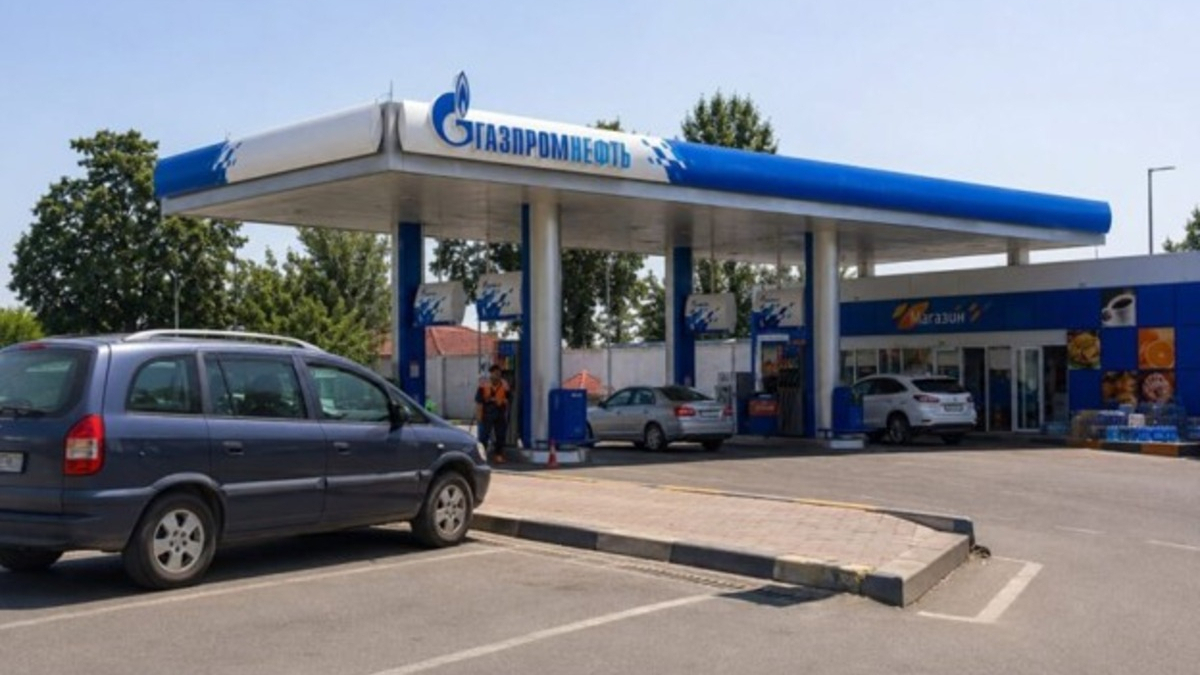
The disruption has already affected consumers. The price of AI-92 petrol rose to around $1.10-1.15 per litre in early August, up from approximately $1.00-1.03 at the beginning of June. Diesel prices climbed to between $1.47 and $1.70 per litre.
Tajikistan is not the only country facing the consequences of declining Russian fuel exports. Kyrgyzstan has asked Uzbekistan to supply 20,000 tonnes of fuel per month while continuing negotiations with Belarus, China, Azerbaijan and Turkiye over additional imports.
Meanwhile, Mongolia, which relies on Russia for around 95 per cent of its fuel imports, has introduced strict limits on petrol sales to motorists.



















What is your opinion on this topic?
Leave the first comment