Residents of Muzaffarabad have expressed concern that renewed violence could overshadow the second phase of regional elections in Pakistan-administered Kashmir.
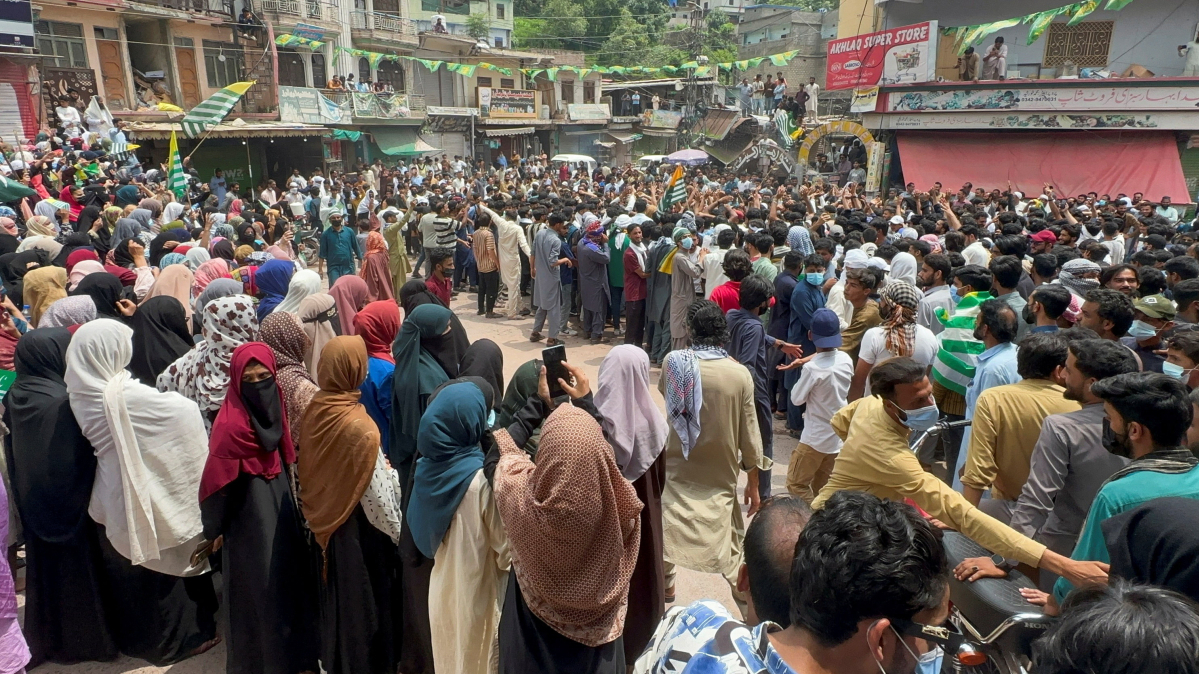
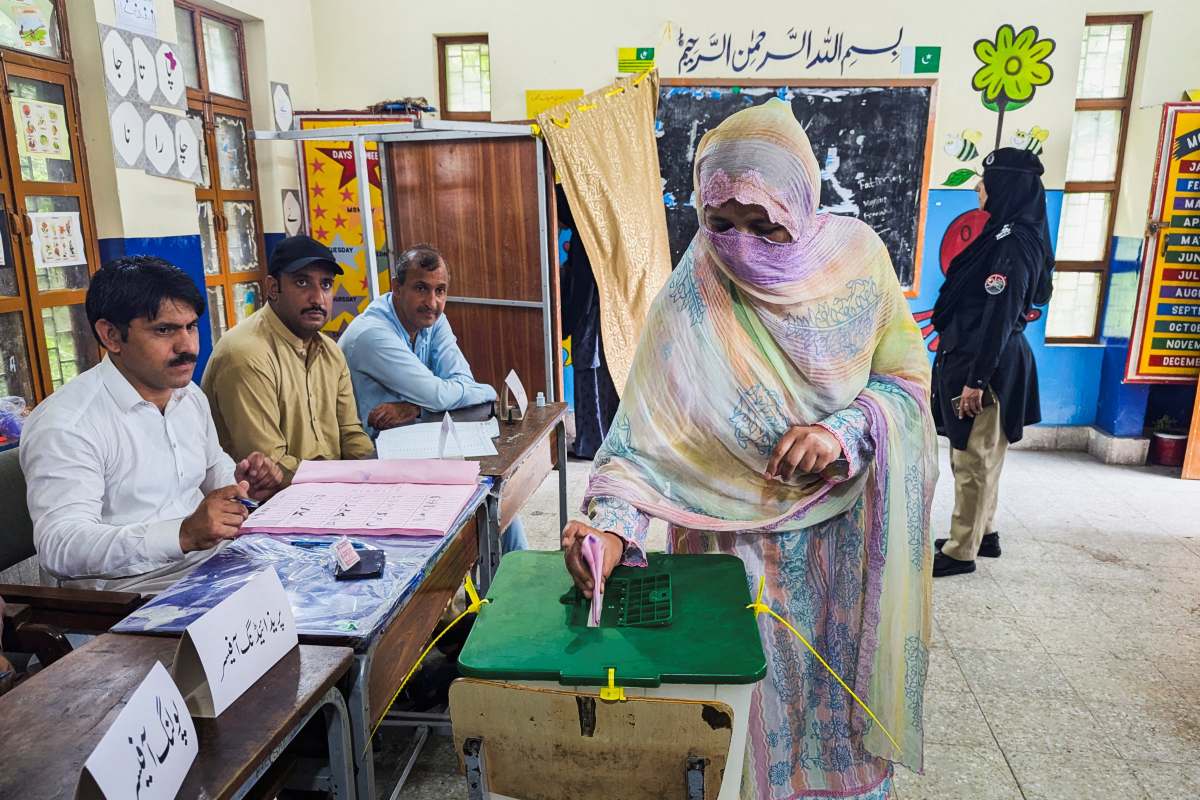
Voting began on Sunday (2 August) under heavy security, days after deadly clashes between protesters and security forces. Burnt-out vehicles, rock-strewn roads and a significant security presence were reported across parts of Muzaffarabad following fresh unrest.
Local resident Mohammad Assam said the deteriorating security situation had persuaded him to boycott what would have been his first election.
“This is my first election. I had intended to cast my vote for the first time, but given the current state of affairs in the region, I have decided not to vote at all,” he said.
Assam said several people had been injured and others killed during violence on Friday.
Another resident, Iftekhar Rana, alleged that a 35-year-old man had been fatally shot while eating breakfast outside his home. The circumstances surrounding the reported death have not been independently verified.
Residents called on the authorities and protesters to resolve their differences through dialogue rather than confrontation.
“It is Muslims who are dying on both sides. They ought to sit down and resolve whatever demands exist through negotiations,” resident Sohaib Ahmed said.
“The best and most constructive approach is to settle the matter by sitting at the negotiating table.”
Disputed reports of more than 30 deaths
The election has been overshadowed by demonstrations led by the Joint Awami Action Committee (JAAC), which was banned by the regional government in June.
JAAC leaders said more than 30 people had been killed in clashes with security forces around Rawalakot ahead of the second round of voting. Reuters could not independently verify the figure because banking, transport and internet services have been severely disrupted in the region.
Authorities said one member of the security forces was killed and five others were injured in clashes during the first phase of voting. Officials have also alleged that armed militants joined the demonstrations and attacked security personnel.
Pakistani officials have claimed that some of the militants were backed by India. New Delhi has rejected similar allegations in the past.
Government officials separately confirmed that one person was killed and several others were injured in clashes between supporters of Pakistan’s two main governing parties, the Pakistan Muslim League-Nawaz (PML-N), and the Pakistan Peoples Party (PPP).
Those incidents were separate from the JAAC-led protests.
Election divided into three phases
The regional election was initially scheduled to take place in a single round on 27 July. Officials later divided it into three phases, citing security concerns.
The PML-N won nine of the 13 seats contested in the districts of Mirpur, Kotli and Bhimber during the first phase.
The second round is being held on 2 August, while the final phase is scheduled for 10 August.
Pakistan Tehreek-e-Insaf, or PTI, which won the previous election in 2021, has boycotted the vote over concerns about alleged electoral fraud. The party was founded by former Pakistani Prime Minister Imran Khan.
Dispute over refugee seats
The JAAC has focused its campaign on demands for electoral reform and greater regional autonomy.
Twelve of the 45 directly elected seats in the regional legislative assembly are reserved for constituencies representing people classified by the regional constitution as refugees from Indian-administered Kashmir.
The protest movement argues that these seats are often filled by people living outside the region and alleges that Islamabad uses them to influence the formation of the regional government. Pakistani officials reject the accusation.
The regional Supreme Court ruled in June that the seats were constitutionally protected and could not be abolished without a constitutional amendment.
Economic grievances fuel unrest
Tensions in Pakistan-administered Kashmir have existed for decades, but demands for greater autonomy and accusations of political interference and economic neglect have recently gained renewed momentum.
Public dissatisfaction has frequently resulted in protests over economic conditions. In 2022, demonstrators rallied against high electricity prices despite the region supplying other parts of Pakistan with relatively inexpensive hydroelectric power.
The JAAC channelled that anger after its formation in 2023, expanding its demands to include electoral reform, greater political rights and changes to the regional system of representation.
Read more:











What is your opinion on this topic?
Leave the first comment