A territory-wide shutdown has brought daily life in Pakistan-administered Kashmir to a standstill following the deadliest unrest in years, which has left at least 24 people dead over nearly two weeks of protests.
The crisis has disrupted businesses, transport and communications across the region, with streets largely deserted and economic activity grinding to a halt.
Protests over election dispute
The unrest was sparked by opposition to plans to reserve 12 seats for refugees in the upcoming legislative assembly elections scheduled for 27 July.
The measure has drawn strong resistance from supporters of the Joint Awami Action Committee (JAAC), a group recently banned by authorities. Demonstrations intensified ahead of a strike called by the group on 9 June.
Government officials said at least 20 civilians were killed between 6 and 14 June, with dozens more injured during clashes between protesters and security forces.
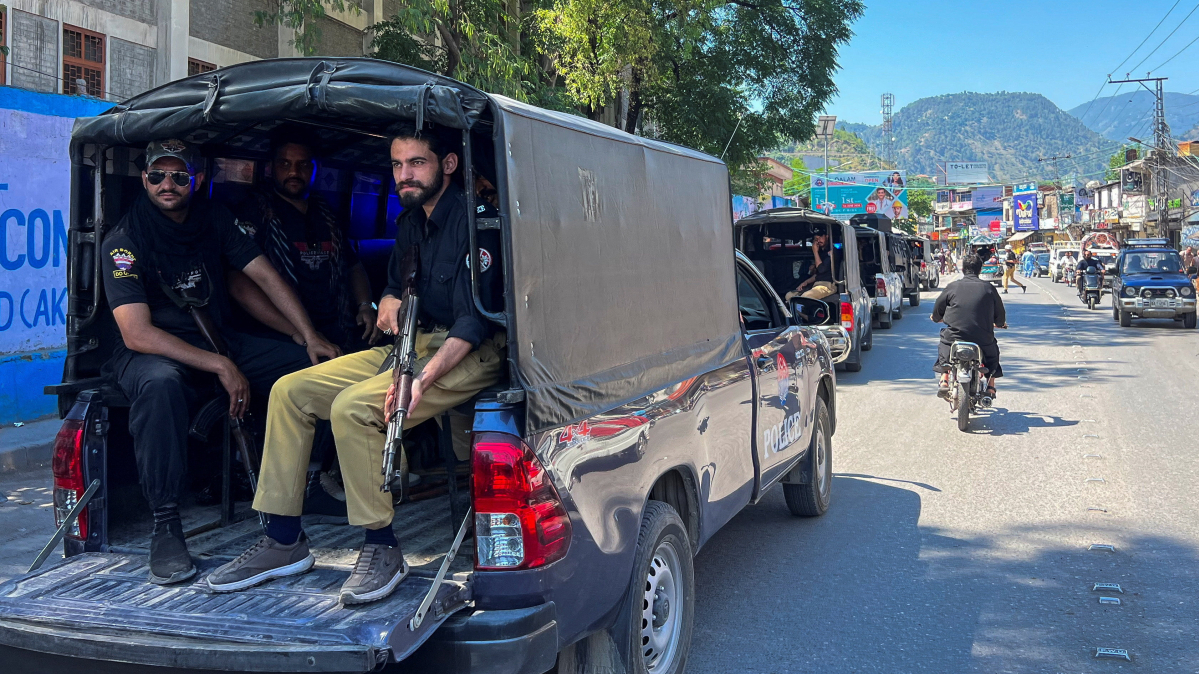
Police chief Liaqat Ali Malik said four officers had also been killed and 97 wounded, while more than 500 people have been detained.
Heavy security response
Authorities have responded to the unrest with sweeping restrictions, including shutting down major roads, suspending internet services and limiting media access across much of the region.
Thousands of JAAC supporters remain gathered on the outskirts of Rawalakot, about 100 kilometres south of the regional capital Muzaffarabad, as tensions persist.
The crackdown reflects the scale of the challenge facing Islamabad, which is now confronting public anger in territory under its own administration.
Daily life severely affected
The shutdown has had a devastating impact on livelihoods, particularly for daily wage earners.
In Muzaffarabad’s Upper Adda district, usually a bustling commercial hub, shops remain largely closed and workers wait for jobs that have not materialised.
“Since June 9, I have not earned a single rupee,” said 27-year-old labourer Ikhlaq Ahmed.
While some essential services, such as medical stores and small food vendors, have started opening for limited hours, most businesses remain shut.
Banks have reported disruptions due to the suspension of internet and satellite services, leaving ATMs and routine transactions unavailable. Petrol stations have also been closed under official orders.
Rising economic strain
For many residents, the prolonged disruption is becoming increasingly difficult to endure.
Motorcycle taxi driver Asif Naz described the situation as unsustainable for low-income workers.
“Those with resources may sustain it,” he said, “but for blue-collar workers like us, it is self-slaughter.”
Political and regional implications
The unrest presents a sensitive situation for Pakistan’s government, which has often criticised India over its handling of protests in Indian-administered Kashmir, but is now facing unrest within its own territory.
As tensions continue, the government faces mounting pressure to restore order while addressing the grievances behind the protests.
For now, with roads blocked, communications limited and economic activity stalled, the region remains in a state of paralysis, with no immediate end in sight.












What is your opinion on this topic?
Leave the first comment