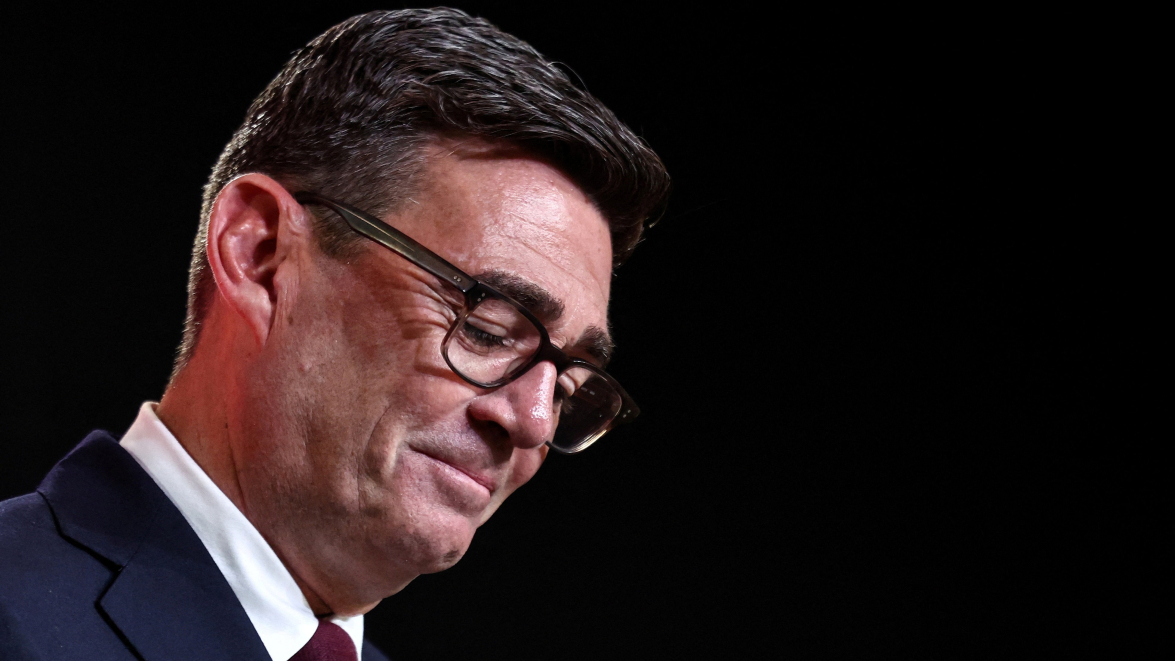
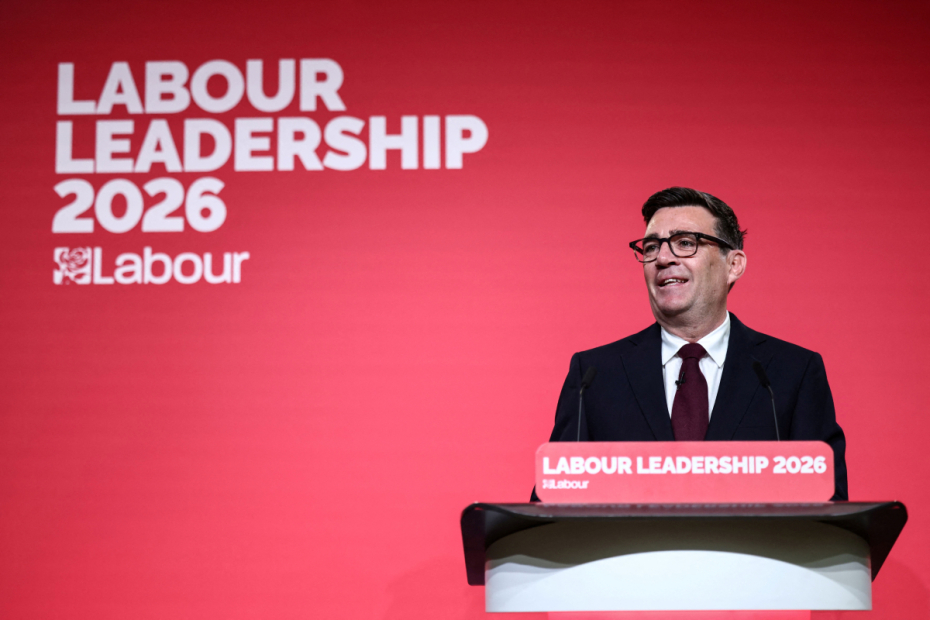
Andy Burnham has been elected leader of Britain's governing Labour Party, clearing the way to become the country's next prime minister on Monday. The 56-year-old pledged to spread power beyond Westminster, revive neglected communities and counter the rise of Reform UK.
Bringing power back to Britain's regions
Burnham, the former mayor of Greater Manchester, was confirmed as Labour leader after running unopposed, having secured enough nominations from Labour MPs and affiliated organisations. Outgoing Prime Minister Sir Keir Starmer is expected to formally tender his resignation to King Charles III on Monday, after which the King will invite Burnham to form a new government.
Nicknamed the "King of the North" for his strong advocacy of Greater Manchester during his time as mayor, Burnham will become Britain's seventh prime minister in a decade.
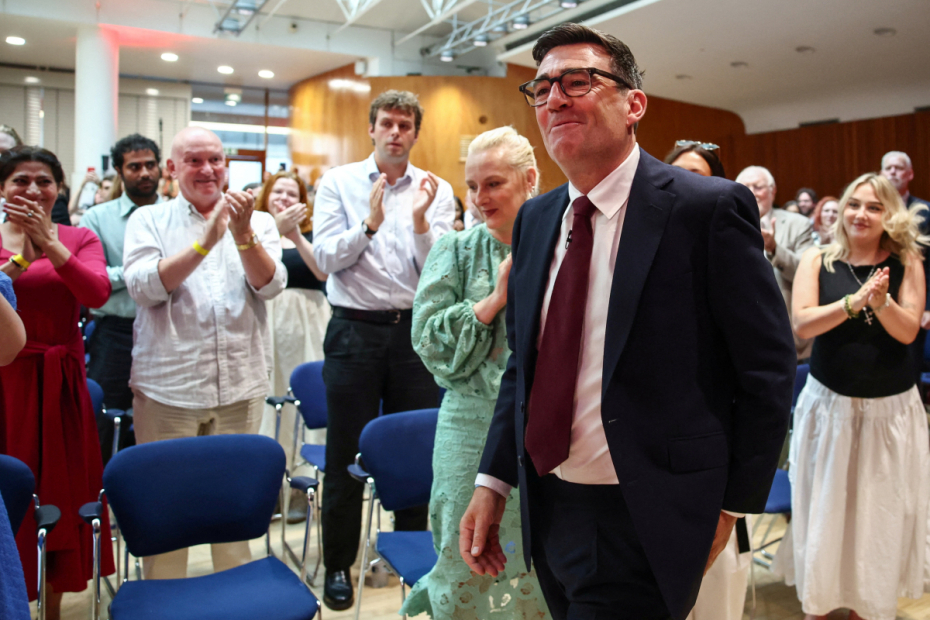
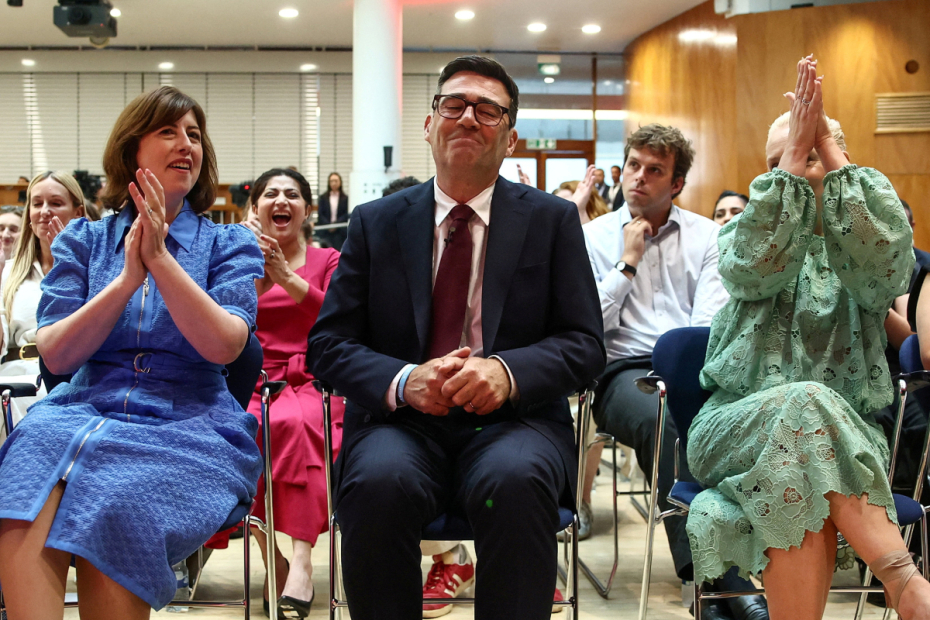
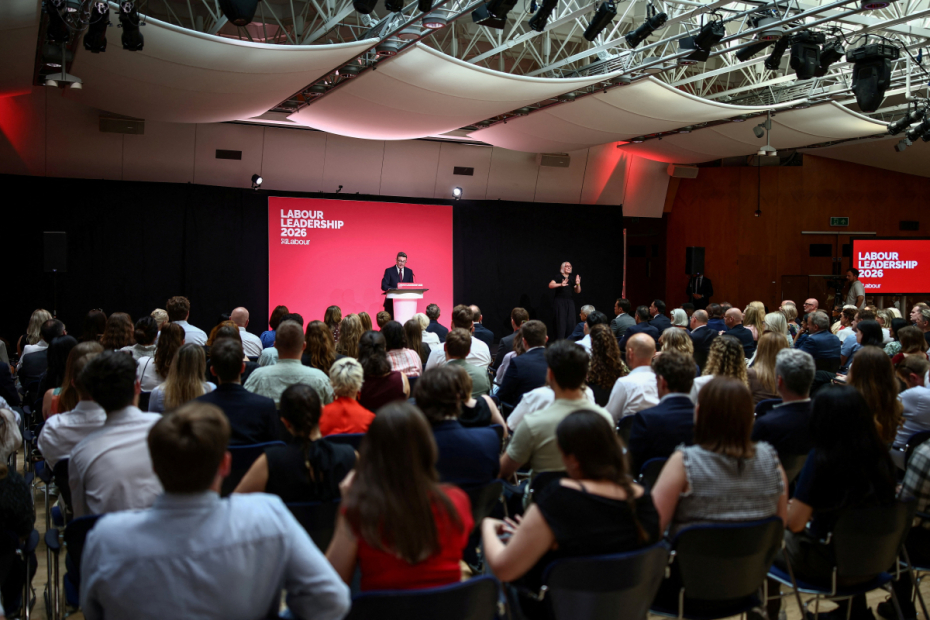
Addressing a special Labour conference on Friday, Burnham thanked Starmer for leading Labour from its worst electoral defeat to its biggest election victory and praised his record on reducing NHS waiting lists and strengthening Britain's standing internationally.
Burnham said Labour now faced its final opportunity to rebuild trust with voters who felt politics had failed them, promising to restore hope to communities that had been left behind.
"We are united and we put the power that comes from that unity at the service of people and places who have been waiting too long for politics to let them hope again," he said.
Central to Burnham's agenda is what he described as the "biggest rebalancing of power" from Westminster and Whitehall to Britain's regions. He argued that decades of centralised decision-making had deepened inequality and weakened local control over areas such as housing, transport and economic development.
Drawing on his experience leading Greater Manchester since 2017, Burnham said stronger regional leadership would help tackle inequality, improve public services and drive economic growth across the country.
Responding to criticism that his political focus has been concentrated on Greater Manchester, Burnham said he would now be "a leader for the North, the South, the East and the West", as well as Scotland, Wales and Northern Ireland.
He also reiterated his support for business, saying his experience working alongside employers as mayor would shape his approach in government, while arguing that Britain also needed greater public control over essential services including housing, water, energy and transport to help reduce the cost of living.
Labour looks to counter Reform UK
Burnham said Labour could only defeat Reform UK by remaining true to its own values rather than attempting to imitate its rivals.
"We can only win this battle by being boldly, confidently, authentically us – Labour," he said, adding that the party should not try to "out-Reform Reform or out-Green the Greens".
The pledge comes as Reform UK, led by Nigel Farage, has led opinion polls for several months, increasing pressure on Labour ahead of the next general election, due by 2029.
Burnham said his first cabinet would reflect the full breadth of the Labour movement but confirmed he had not yet finalised his ministerial appointments.
Trade union leaders urged the incoming government to move quickly. Paul Nowak, general secretary of the TUC, said Burnham's administration should "hit the ground running and focus relentlessly on improving the living standards of working people".
Closing his speech, Burnham said he was ready to lead the country and promised his government would begin delivering change immediately after taking office.
"The government I lead will confidently lay that path out, starting next week," he said. "And that is why this change today is the most significant change moment in our politics for 40 years."












What is your opinion on this topic?
Leave the first comment