In el-Obeid, the capital of Sudan's North Kordofan state, residents are contending with a month of intense drone attacks, a near-total siege and the spread of a disease that has already killed 120 people elsewhere in the country.
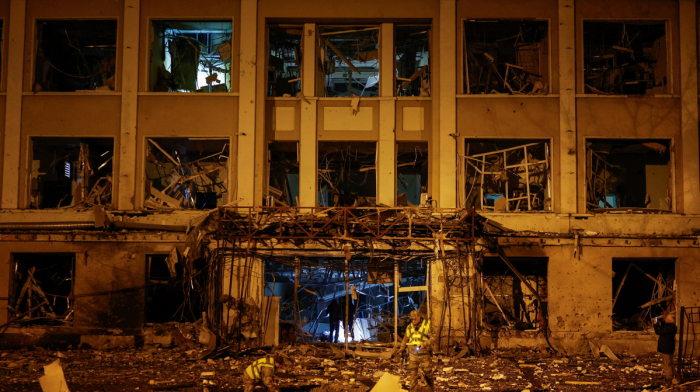
A humanitarian worker in the city, who asked not to be named for safety reasons, told AnewZ that June brought near-constant drone strikes, day and night, targeting fuel depots, the electricity station and government buildings.
He said more than 16 fuel stations had been destroyed, cutting the power supply that keeps the city's water pumps and bakeries running.
El-Obeid is encircled on three sides, south, west and north, with only a single eastern road remaining open, itself vulnerable to drone strikes on the trucks and fuel tankers that use it.
Nearby, in the town of Bara, fighting between the Sudanese army and the paramilitary Rapid Support Forces (RSF) has continued for months, forcing more residents to flee to el-Obeid.
The aid worker said the strikes were not, as far as he understood, deliberately aimed at civilians, but that people near targeted sites, including a school that was damaged, injuring pupils, were being killed or hurt regardless.
Schools had been repeatedly disrupted, he said, contributing to a rise in children dropping out, some of whom had ended up affiliated with armed groups.
Water, bread and fuel running out
"People start suffering from shortage of water," he said, explaining that the city's main water systems run on fuel. Bread ovens had also been affected, he added, while food remained available in markets but at prices many residents, particularly displaced families, could no longer afford. Those with the means to leave had largely already done so, he said.
Sheltering the displaced
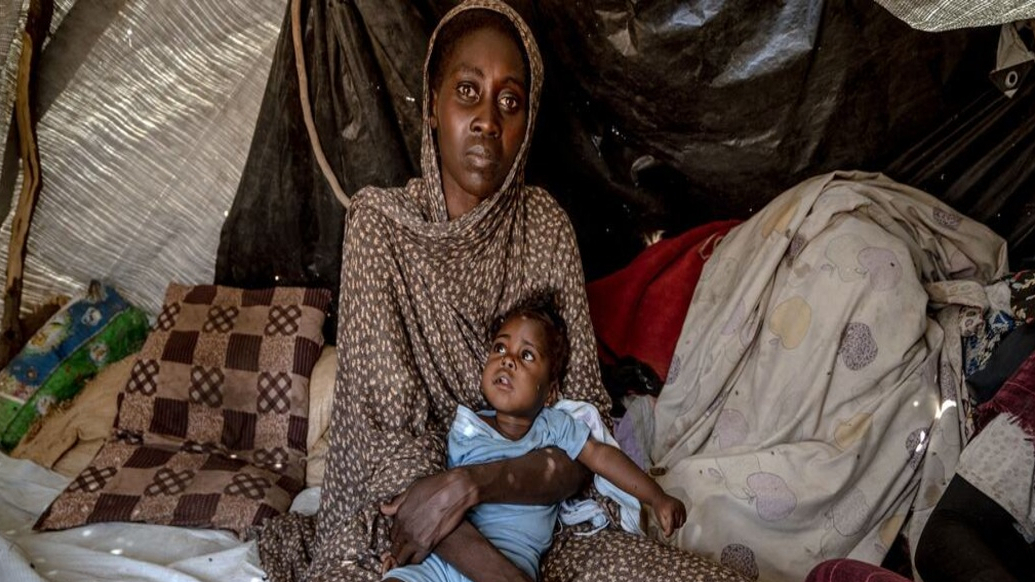
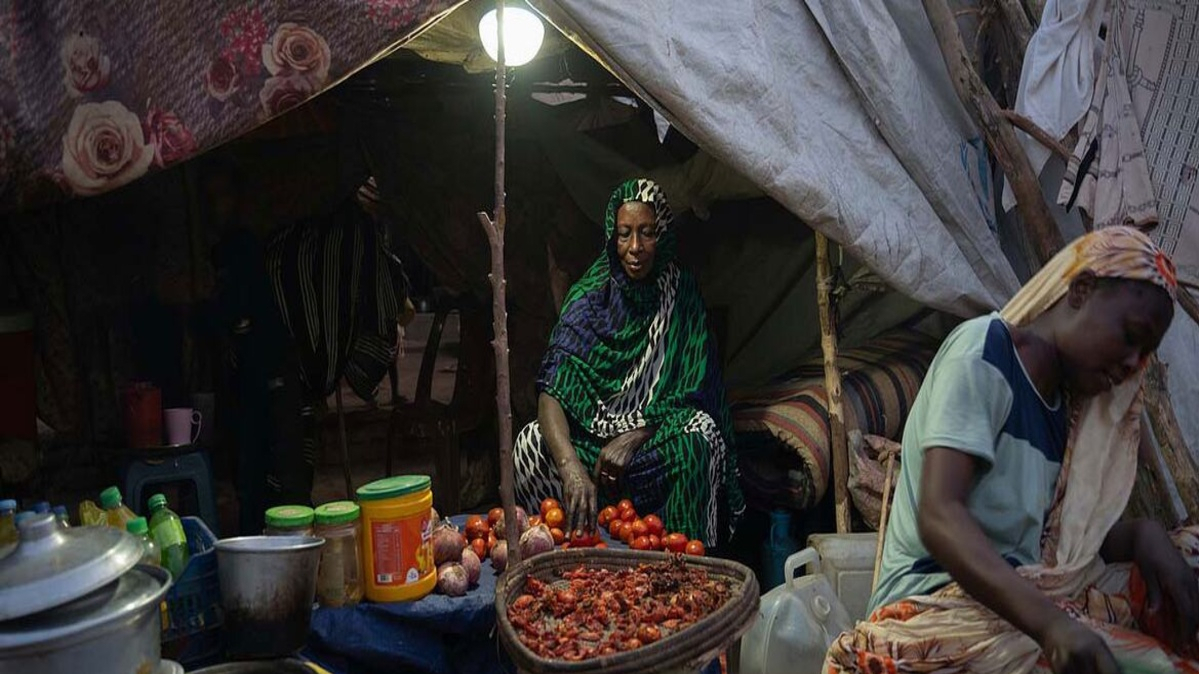
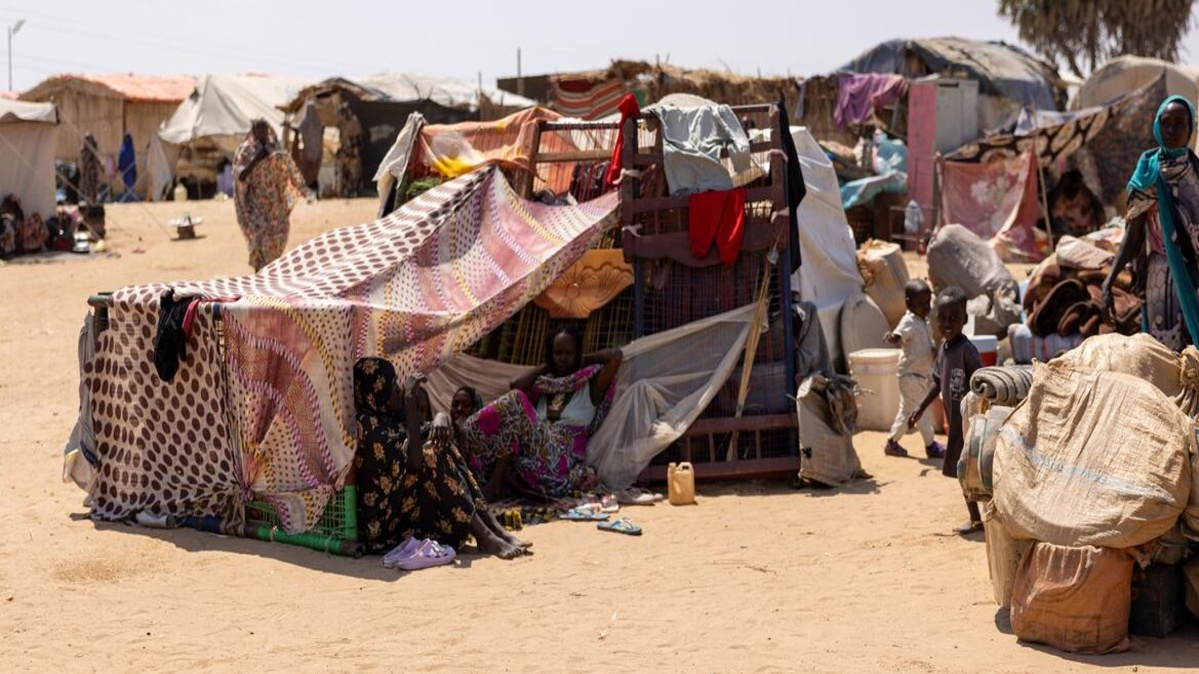
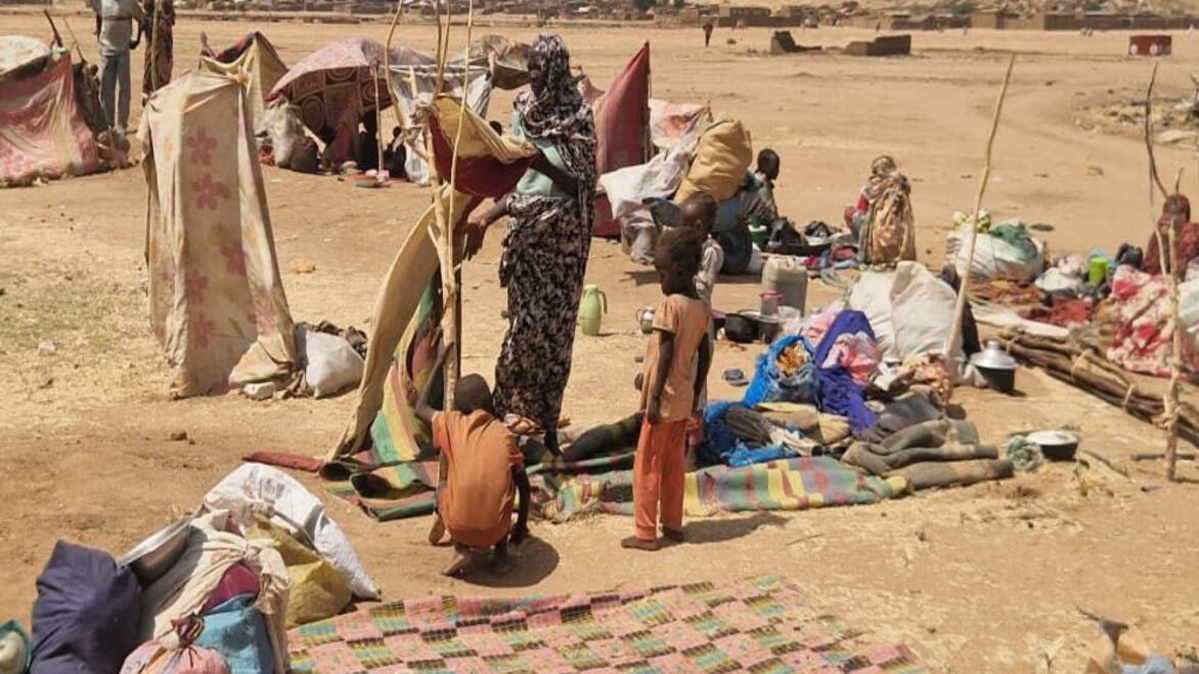
The aid worker described el-Obeid as a hub for roughly 100,000 displaced people, drawn from Darfur towns including El Fasher and Nyala, as well as from South Kordofan. Many are housed across four camps, El-Rai, Dankat, Senaat and Ategana, while others have been taken in by relatives, placing further strain on host families already short of resources.
He recounted families arriving after days without food, some too weak or too rushed to bury relatives who died along the way, and said some had encountered looting during their journey. Women, he said, had in some cases reported being sexually assaulted while fleeing, though stigma meant many accounts went untold. Most new arrivals, he said, were traumatised and in need of psychological as well as material support.
A UN humanitarian coordinator visited the camps last week, he said, and saw at first hand the shortage of water and the conditions in which displaced families were living.
A disease Sudan knows too well
His account comes as the World Health Organisation (WHO) confirmed Sudan is facing its third cholera wave in as many years. The UN agency said the outbreak, declared this week in West Kordofan, has killed 120 people and infected 1,102 more since May. Cases have since crossed into North Kordofan, where el-Obeid is located, with close to 300 suspected infections and three deaths recorded there.
The WHO's Sudan representative, Dr Shible Sahbani, said cholera once struck the country cyclically, roughly every three years, but that conflict, restricted humanitarian access and supply shortages meant outbreaks were now near-continuous. A previous wave, running from July 2024 to March this year, infected more than 124,400 people and killed 3,500, according to government figures. Dr Sahbani said 40% of Sudan's health facilities were now entirely out of service, with most of the remainder only partly functioning.
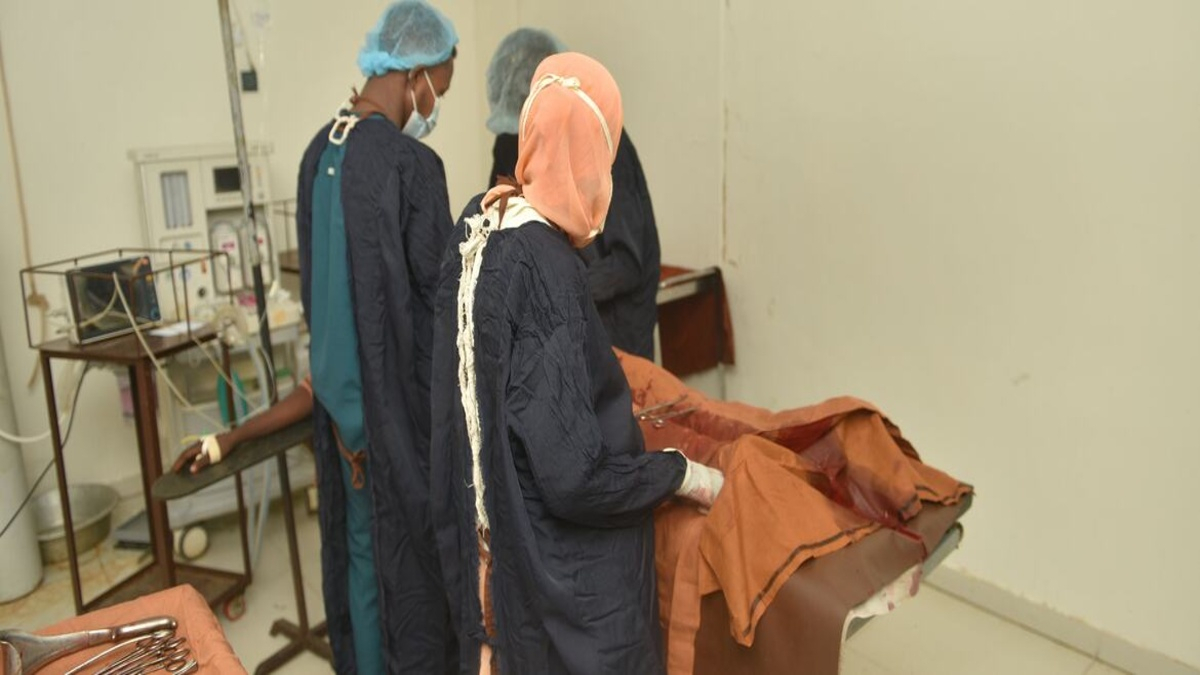
The aid worker said fresh medical supplies were struggling to reach el-Obeid because delivery trucks were frequently targeted, warning that shortages of both water and medicine were likely to worsen as the rainy season, when waterborne diseases and malaria typically surge, takes hold.
The numbers behind the outbreak
According to figures the aid worker said he had obtained from North Kordofan's Ministry of Health on Thursday morning, 927 suspected cholera cases have now been reported across the state, of which 648 have been confirmed. Of those confirmed cases, 40 people have died and 23 remain under treatment.
He said the outbreak in al-Obeid itself had reached several districts: Karima, to the north of the city; Asalaam and Tayiba, to the east; and Mazroub, to the west, along with cases in West Bara. With the rainy season approaching, he warned the risk of further spread was rising sharply, compounded by drone strikes that had already damaged water tankers, wells and the electricity station, leaving many residents without the fuel needed to treat and pump clean water.
A huge gap in the response
Several aid organisations, including Médecins Sans Frontières, Care International, Save the Children and the Sudanese Red Crescent, are trucking in chlorinated water to affected areas, the aid worker said, with another organisation expected to begin similar deliveries within weeks.
Authorities have also run hygiene and awareness campaigns, distributed hygiene supplies, and chlorinated water sources in the town, while the government has set up an isolation centre to treat confirmed cases.
But he said the spread of the disease was being driven partly by a lack of awareness, particularly around open defecation in camps for the displaced, and warned that the response so far fell far short of what was needed. "The gap is huge," he said, adding that neither the government nor international agencies were able to cover it.
He said the constant movement of people between West Kordofan, North Kordofan, White Nile and South Kordofan meant many cases were likely going undetected. "The situation is really, really serious," he said, calling for greater intervention from humanitarian actors and the government alike.
Fear of what comes next
The UN has separately warned that the RSF may be preparing a ground assault on el-Obeid, and that drone strikes on power stations were already disrupting access to drinking water, raising fears of a repeat of the scale of civilian harm seen in El Fasher.
Asked what residents feared most, the aid worker said it was the return of the drone strikes, which he said had eased in July as fighting shifted towards Darfur, a lull he feared could prove temporary.
He appealed for international pressure on both warring parties to stop targeting civilian infrastructure, and for a comprehensive peace agreement, saying it was "for the next generation" that a resolution was most urgently needed.


















What is your opinion on this topic?
Leave the first comment