The United Nations Human Rights Council has approved a motion condemning escalating violence by Sudan's paramilitary Rapid Support Forces (RSF) around the city of al-Obeid and ordered an urgent investigation into alleged human rights abuses in the area.
The resolution, adopted by consensus on Monday, was brought forward by Britain and 14 other countries amid growing international concern over the situation in and around al-Obeid, one of Sudan's largest cities.
Britain has repeatedly warned of the risk of mass atrocities as RSF forces gather around the city, drawing comparisons with last year's capture of al-Fashir in North Darfur.
“These horrors must not be repeated,” Britain's Human Rights Ambassador Eleanor Sanders told the council.
Growing fears of atrocities
The vote comes days after U.N. High Commissioner for Human Rights Volker Turk warned that a “catastrophe” was unfolding around al-Obeid.
Turk said his office had documented reports of summary executions, abductions, torture and sexual violence in the wider Kordofan region.
South Africa's Ambassador Zaheer Laher backed the council's action, describing the situation as a “red alert”.
“The Rapid Support Forces are drawing from the very same genocidal playbook they used in al-Fashir,” he said.
The RSF has previously rejected accusations of abuses during Sudan's more than three-year civil war, arguing that such allegations are fabricated by its opponents and making counterclaims against rival forces.
Humanitarian concerns mount
The United Nations also said its top humanitarian official, Tom Fletcher, discussed the worsening situation during a telephone conversation with RSF leader Mohamed Hamdan Dagalo.
According to U.N. spokesperson Stephane Dujarric, Fletcher stressed the importance of maintaining humanitarian access and ensuring civilians can move safely through conflict-affected areas.
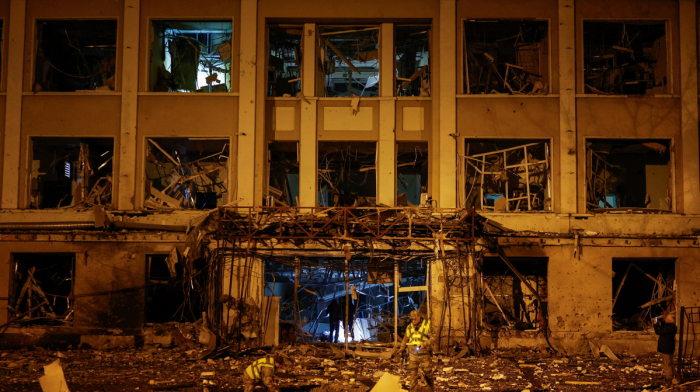
He also expressed concern about drone attacks that have affected civilians and damaged critical infrastructure.
Meanwhile, U.N. Resident and Humanitarian Coordinator Denise Brown completed a visit to al-Obeid on Sunday to assess the humanitarian situation and review the impact of attacks on civilians.
Debate over outside support
Although the resolution passed without a vote, China distanced itself from the decision, saying it opposed country-specific investigations carried out without the consent of the state concerned.
Some human rights organisations also argued that the resolution did not go far enough.
African rights group DefendDefenders said the council had failed to adequately address what it described as external support for the conflict, including allegations of foreign military assistance to the RSF.
The Sudanese government, which is aligned with the army in its war against the RSF, has repeatedly accused the United Arab Emirates of supplying weapons to the paramilitary group.
The UAE has consistently denied those allegations. However, U.N. experts and some U.S. lawmakers have previously said evidence pointing to UAE military support for the RSF was credible.
Conflict enters fourth year
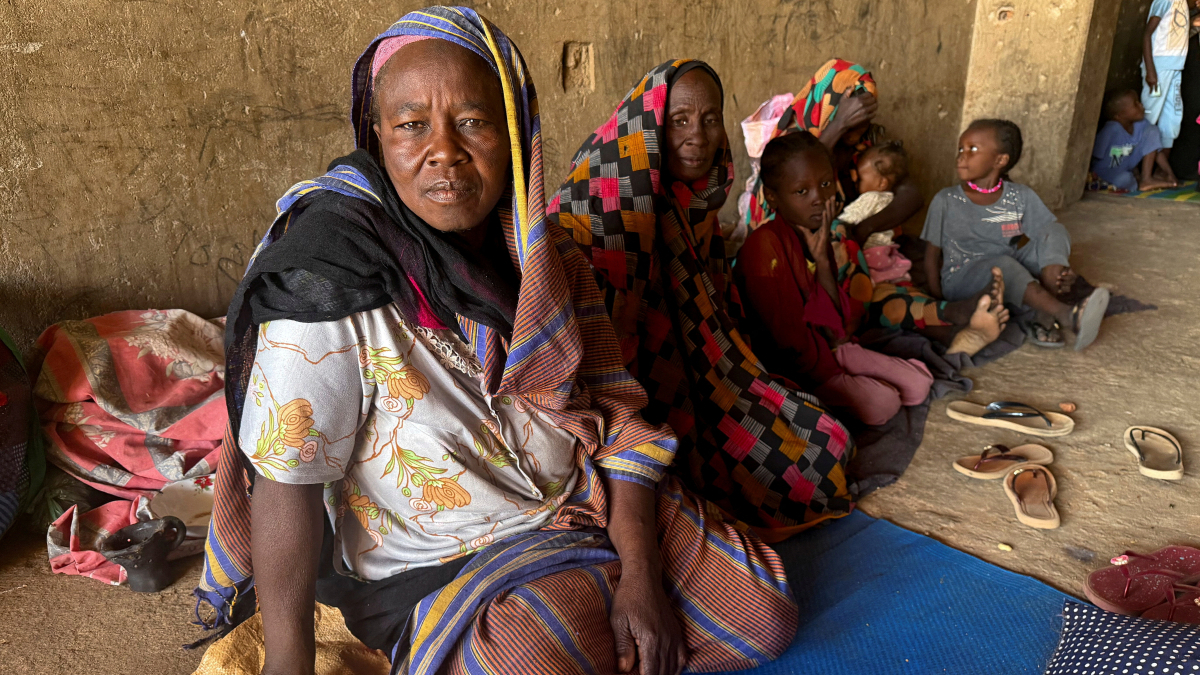
Sudan's war between the army and the RSF has triggered one of the world's worst humanitarian crises, displacing millions of people and devastating large parts of the country.
The latest U.N. action highlight ongoing concern that al-Obeid could become the next major flashpoint in the conflict as international pressure mounts to prevent a repeat of the large-scale atrocities witnessed elsewhere in Sudan.
















What is your opinion on this topic?
Leave the first comment