Sudan's military leadership has welcomed a growing number of defections from the rival Rapid Support Forces (RSF), reshaping alliances in the country's civil war while raising concerns among civilians and human rights groups over accountability for alleged wartime abuses.
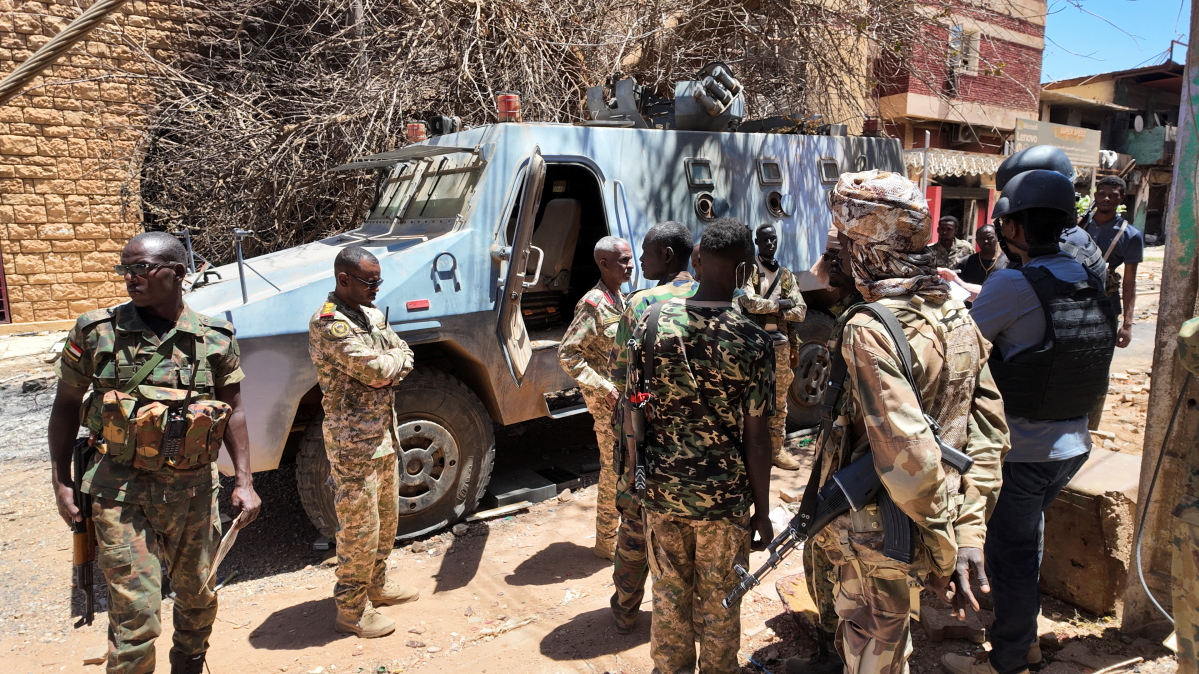
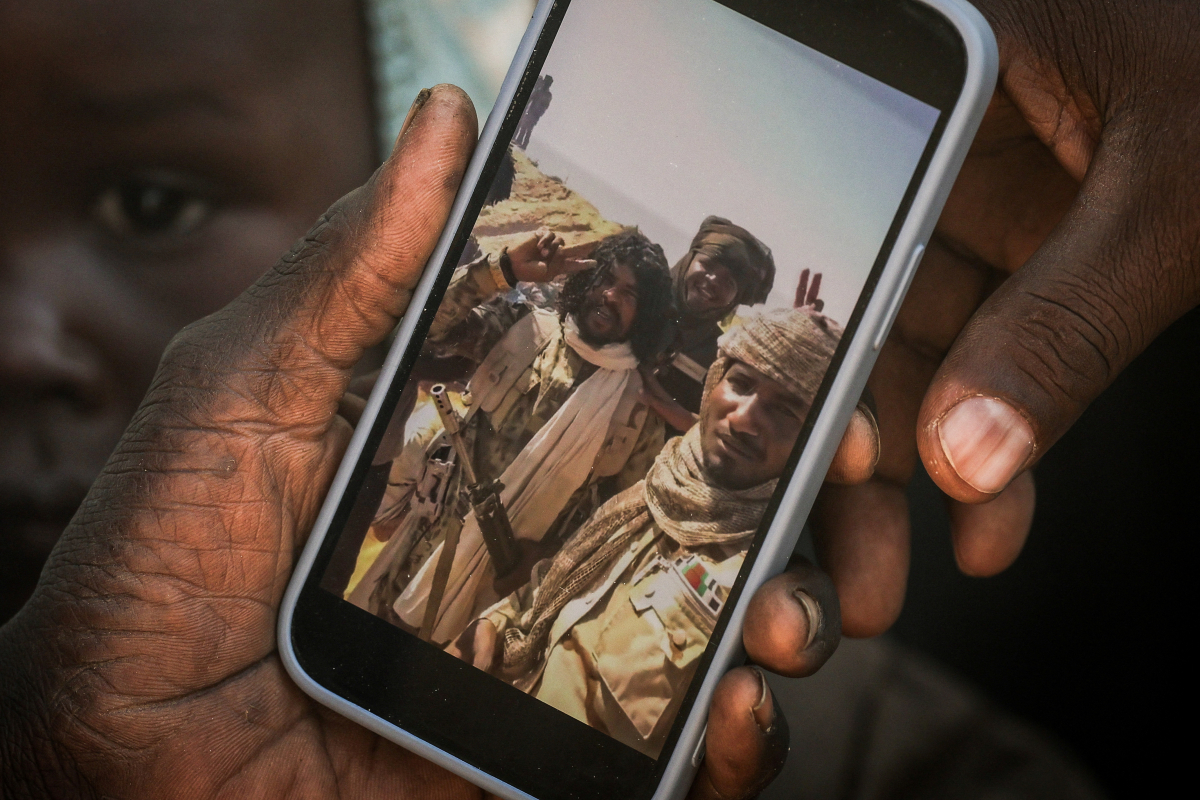
Last month, Ali Rizkallah, a senior RSF commander, arrived in the capital, Khartoum, after switching sides. He was formally received by the army and granted a rank within the same forces he had spent years fighting.
Military-backed authorities have presented his defection as both a symbolic and strategic victory, part of a broader trend of senior RSF figures abandoning the paramilitary group amid ongoing fighting.
Anger among civilians
The move has, however, sparked outrage among survivors of the conflict, particularly in Darfur, where some of the war's worst atrocities have been reported.
"Even if they seek God's forgiveness, I can't forgive them because of what I saw face to face," said Halima Ismail, a resident of western Darfur.
She described witnessing attacks on villages, including gunfire and violence carried out by forces under Rizkallah's command, forcing her and others to flee.
Sudan's war began in April 2023 after a power struggle between the army and the RSF escalated into a full-scale conflict. The fighting has killed hundreds of thousands of people, displaced millions and triggered a humanitarian crisis marked by famine and disease.
Calls for accountability grow
Rizkallah, also known as "al-Savannah", previously operated in North Darfur, an RSF stronghold where the group has faced accusations of widespread abuses, particularly during its assault on al-Fashir.
Another senior commander from the region, al-Nour Guba, also defected earlier this year. He denied switching sides to avoid prosecution and said anyone accused of wrongdoing should be held accountable.
"If anyone from the Sudanese people has anything against us, I swear we are ready," he said.
Rizkallah has not publicly responded to the allegations but has previously said he would be willing to submit to an investigation if accused.
Despite such statements, many Sudanese remain sceptical, fearing defectors could escape justice by aligning themselves with the army.
Struggle for justice in wartime
Efforts to pursue accountability remain limited. Activists say the ongoing conflict has made legal action difficult, even as grievances continue to mount.
Mohamed Salaheldin, of the Emergency Lawyers group, said the scale of the alleged abuses requires a broader approach.
"This issue can't be dealt with piecemeal; it needs transitional justice," he said.
While some cases have been brought against suspected collaborators, including those accused of assisting RSF operations, experts say pursuing senior figures remains significantly more challenging.
Army strategy and internal divisions
Analysts say the army's strategy is partly aimed at exploiting divisions within the RSF, which has long been shaped by tribal dynamics.
Emadeddin Badi, a senior fellow at the Global Initiative Against Transnational Organised Crime, said encouraging defections could weaken the group from within.
"There's a military rationale, but the social repercussions are probably underappreciated by the armed forces," he said.
The RSF leadership has faced tensions among different factions, particularly following internal disagreements and operations that have strained relations between clans.
Rising RSF defections and war
In recent months, the army has increasingly encouraged defections from the RSF, seeking to weaken the group by exploiting internal divisions and offering protection or positions to commanders who switch sides.
For many civilians, however, those political and military calculations offer little comfort.
Victims say they continue to carry the scars of violence, while displacement and insecurity persist across large parts of the country.
As defections reshape the balance of power, they also expose a central dilemma: how to reconcile shifting alliances on the battlefield with demands for justice from communities that have endured the worst of the conflict.
For now, with fighting continuing and state institutions weakened, that question remains unresolved.















What is your opinion on this topic?
Leave the first comment