Start your day informed with the AnewZ Morning Brief. Here are the top stories for 28 June, covering the latest developments you need to know.
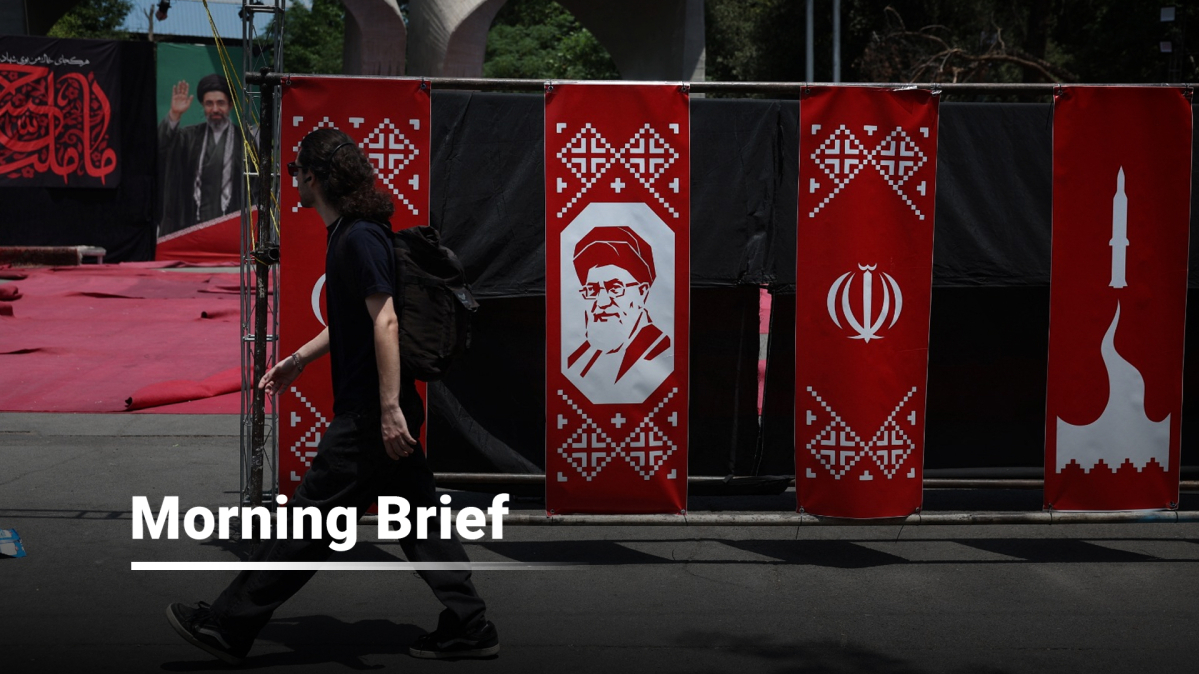
Iran and U.S. trade new strikes as ceasefire falters
Iran and the United States have resumed military action despite signing an interim peace deal less than two weeks ago, each blaming the other for breaching the agreement. Iran launched missiles and drones at U.S. military sites in Kuwait and Bahrain after U.S. strikes, raising fears that hopes of diplomacy are rapidly fading.
Hezbollah rejects U.S.-backed Lebanon-Israel deal
Hezbollah leader Naim Qassem has rejected a U.S.-brokered security agreement between Lebanon and Israel, calling it a surrender that undermines Lebanon's sovereignty. His comments came as Israel carried out a drone strike in southern Lebanon, highlighting the fragile situation despite repeated ceasefire efforts and raising new doubts over the prospects for lasting peace.
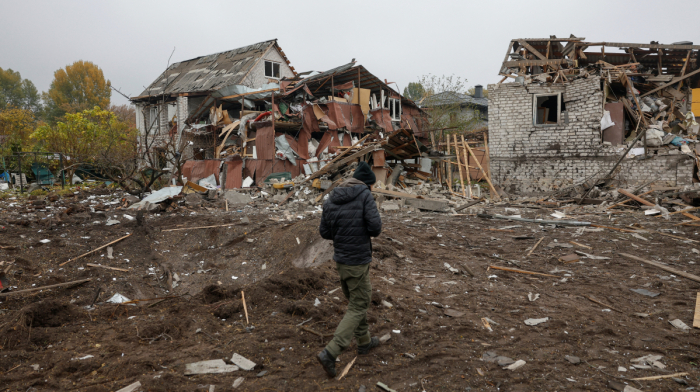
Russia and Ukraine exchange deadly cross-border strikes
Drone and artillery attacks killed civilians on both sides of the Russia-Ukraine border on Saturday, according to local officials. Ukraine said one person was killed in Russian strikes on the Dnipropetrovsk region, while Russian authorities reported four civilian deaths in Bryansk and the Russian-held Donetsk region following Ukrainian drone attacks.
Venezuela quake death toll tops 1,400
The death toll from Venezuela's twin earthquakes has risen above 1,400 as rescue teams from around the world join the search for survivors in the hardest-hit coastal areas. Thousands remain unaccounted for, while many residents are sleeping outdoors because of ongoing aftershocks. Authorities have restricted access to affected areas to allow emergency crews to continue rescue efforts.
Europe heatwave breaks temperature records
Record-breaking heat continued across Europe on Saturday, with temperatures exceeding 40°C in several countries and new records set in Germany, Denmark and the Czech Republic. The extreme conditions have disrupted transport, strained power supplies and been linked to dozens of deaths in France, while scientists say climate change has made the heatwave far more likely.











What is your opinion on this topic?
Leave the first comment