



11:16 CET
Nuclear security
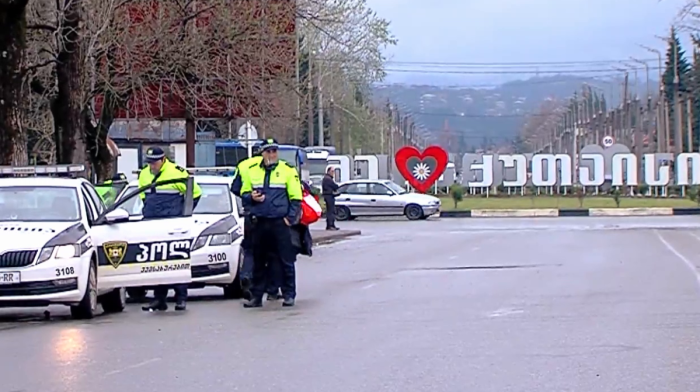
Georgia arrests man over attempted $700,000 uranium sale
Georgia has detained a man ...



Germany and Poland are bracing for sweltering conditions as a deadly heatwave that has gripped Western Europe moves east, with temperatures expected to approach 40°C over the weekend.
Britain, France and Switzerland have already recorded unusually high June temperatures, while further records could be tested as the heat crosses the Rhine into Central Europe.
German public broadcaster ARD said temperatures of more than 41°C were recorded on Friday near Saarbruecken, close to the French border, according to preliminary official data.
In France, dozens of people, including young and elderly residents, have died during the heatwave. Temperatures above 40°C have disrupted rail travel and power generation, prompted alcohol bans, forced school closures and led to the postponement of outdoor events.
“The heatwave is going to peak at the weekend, well over 40 degrees in some parts of Germany,” said Karsten Brandt, a meteorologist at weather forecasting site Donnerwetter.de.
The Ironman European Championship long-distance triathlon, due to take place in Frankfurt on Sunday, has shortened its cycling and running routes because of the heat, organisers said.
Public service providers are preparing for possible damage to infrastructure, including buckling roads and expanding rail tracks.
German national rail operator Deutsche Bahn has allowed customers to cancel long-distance bookings into early next week without charge because of the heatwave.
The company said its infrastructure was under particular strain from sun exposure, while thunderstorms and wildfires posed additional risks to signals, tracks and overhead wires.
Parts of Germany, particularly in the south-west, have already experienced a much hotter June than usual. The most extreme heat is expected to begin easing over the weekend, with heavy thunderstorms forecast on Sunday.
Across Europe, the heatwave has forced cultural landmarks to close, damaged farming and placed additional pressure on hospitals.
In Britain, doctors said hot weather had affected critical equipment, including MRI scanners. In Sweden, high temperatures caused rail tracks to buckle, leading to a cargo train derailment. In Germany, the surface of the A2 motorway buckled and ruptured across several lanes.
Demand for electric fans has surged, while Asian air-conditioning manufacturers have reported rising sales in Europe.
Many homes in northern Europe are designed to retain heat during colder months, rather than stay cool during extreme temperatures.
The heatwave has pushed temperatures as much as 18°C above seasonal averages, according to the Reuters Climate Monitor.
Scientists say it is being driven by a weather pattern known as an Omega block, which traps a mass of hot air over a region for an extended period, with cooler air remaining on its edges.
The World Meteorological Organisation said the current heatwave is expected to shift by the end of the month, affecting Central Europe and the Balkans.
Scientists have said the extreme heat would have been virtually impossible without human-caused climate change. They also say climate change has made this week’s unusually hot night-time temperatures far more likely than they would have been two decades ago.

Georgia has detained a man ...
Azerbaijan and the five Central Asian states have signed two key documents at the 8th Consultative Meeting of Heads of State in Turkmenbashi, forma...
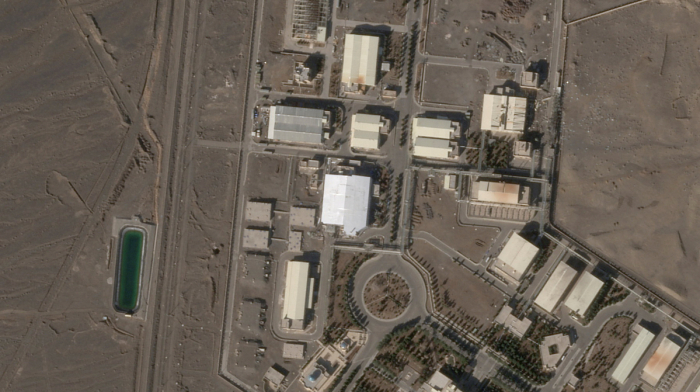
U.S. Vice President JD Vance told Reuters on Monday (5 October) that ...

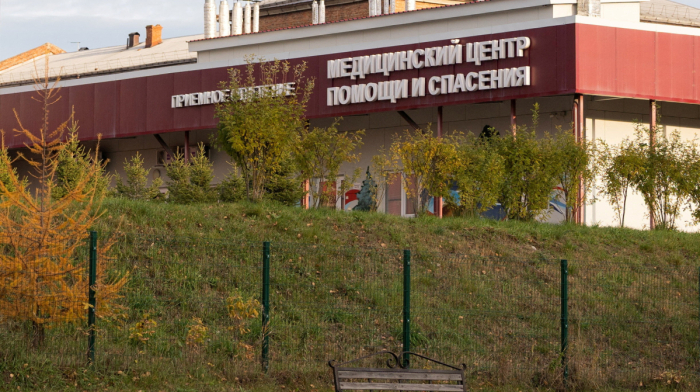
Russia's health watchdog said on Tuesday that no cases of plague had been detected among anyone who had come into contact with a Siberian plague institute laboratory worker who died last week, and locals said their lives had barely been disrupted.
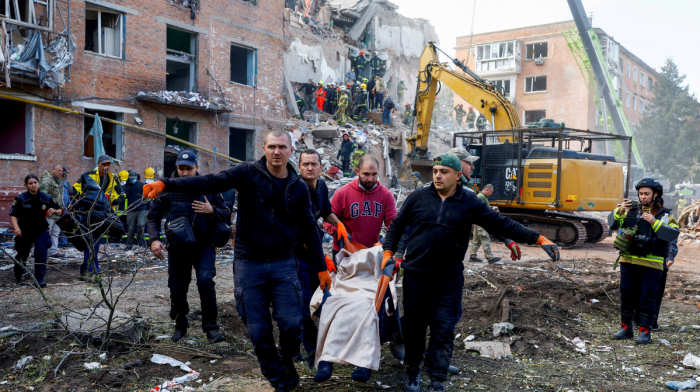
Russia struck Ukraine overnight in one of the biggest attacks of the conflict, killing at least 19 people, Kyiv's Foreign Ministry said on Wednesday. Around 70 missiles were fired at Ukraine during the attack, as well as drones, the Ministry said.
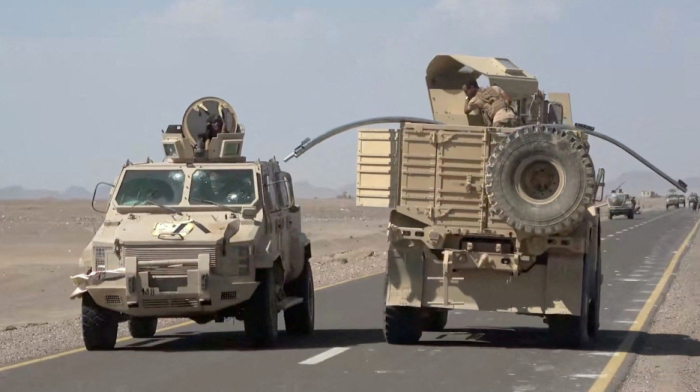
The Saudi-led coalition says it has carried out a series of military operations against Houthi targets in Yemen after attacks on two Saudi airports left three people dead and dozens injured.
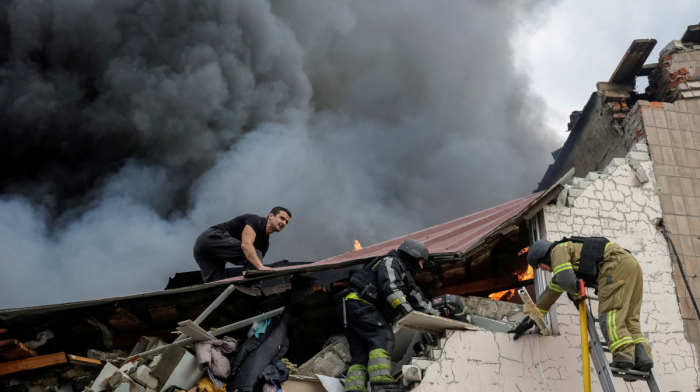
A large Ukrainian drone attack on Moscow and the surrounding region has killed two people, damaged homes and sparked a major fire at a key fuel facility, according to Russian officials and military bloggers.
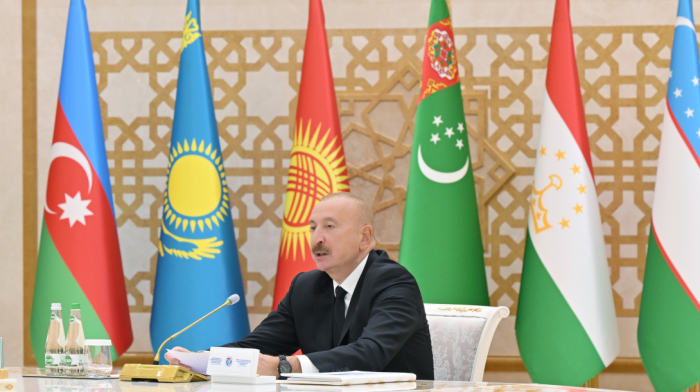
Azerbaijan and the five Central Asian states have signed two key documents at the 8th Consultative Meeting of Heads of State in Turkmenbashi, formalising a broader framework for regional cooperation in transport, trade, energy, digitalisation and security.

It started with classrooms. Too many students, not enough teachers, deteriorating buildings and growing anxiety over what comes after high school. But within weeks, a movement that began outside French lycées had spread across the country.

Iran says it will deliver its response to recent U.S. proposals through intermediaries, underscoring that communication between the two countries continues indirectly alongside ongoing diplomatic efforts to reduce tensions.

International cooperation, lunar exploration and the growing role of artificial intelligence dominated the third day of a major astronautical conference now underway in Antalya.
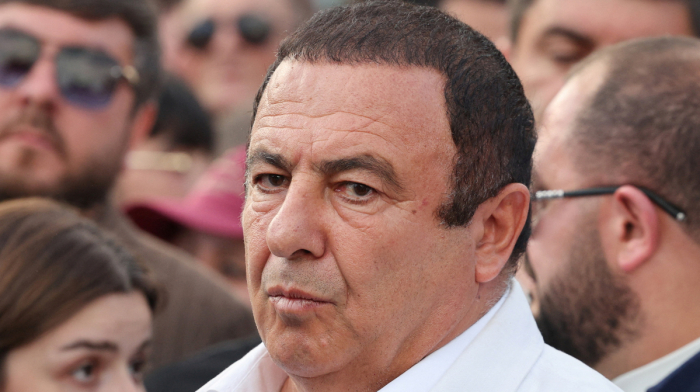
Armenian authorities have frozen a wide range of assets belonging to billionaire businessman and opposition politician Gagik Tsarukyan as part of proceedings linked to the confiscation of property allegedly acquired illegally.
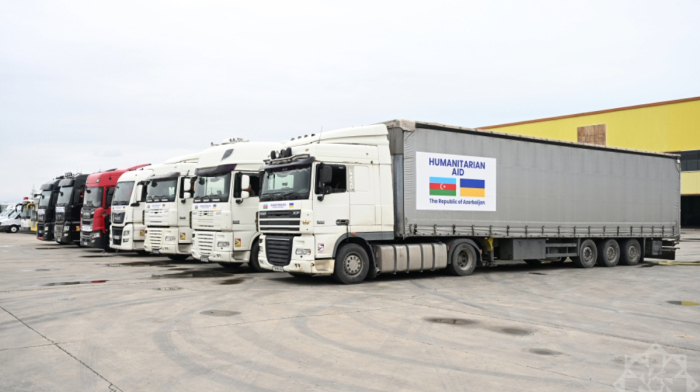
Azerbaijan has sent another batch of humanitarian aid to Ukraine, consisting of electrical equipment vital for restoring the country’s energy infrastructure and preparing for the winter season.
You can download the AnewZ application from Play Store and the App Store.




What is your opinion on this topic?
Leave the first comment