China has urged the United States to end its decades-long sanctions and embargo on Cuba after Washington imposed new restrictive measures on entities and an individual linked to the Cuban government.
China criticises sanctions
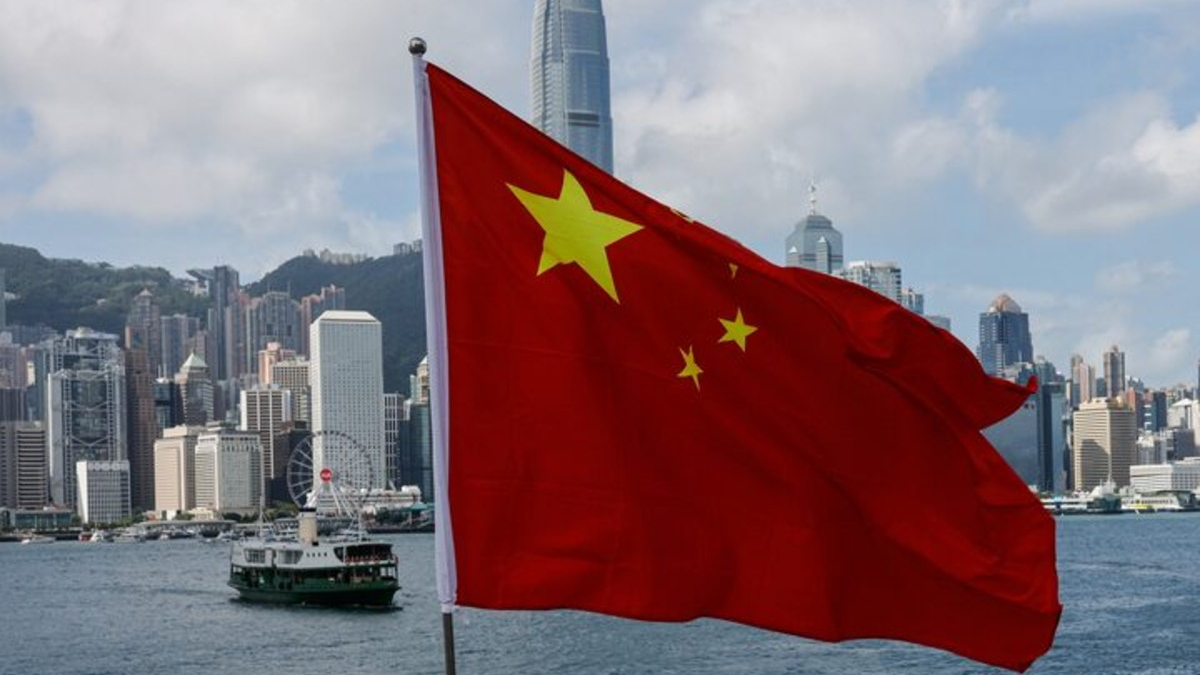
The comments were made by Chinese Foreign Ministry spokesperson Guo Jiakun, who said Beijing opposes what it described as unilateral sanctions that lack a basis in international law.
He said China rejects "coercion and pressure" against Cuba, arguing that such measures undermine the Cuban people's rights to development and survival.
U.S. targets Cuban-linked entities
The remarks came after the U.S. State Department announced sanctions against five entities and one individual accused of generating revenue for the Cuban government.
Washington has maintained a decades-long embargo on Cuba, originally imposed during the Cold War, and continues to apply targeted sanctions against individuals and organisations linked to the Cuban state.
Cuba condemns U.S. measures
Cuban officials also criticised the latest U.S. action.
Cuban Foreign Minister Bruno Rodríguez Parrilla accused Washington of intensifying economic pressure on the country despite what he described as Cuba's resilience under prolonged restrictions.
He characterised the sanctions as a form of collective punishment affecting ordinary citizens.
China reaffirms support for Havana
Beijing reiterated its political backing for Havana, saying it supports Cuba's chosen development path and its efforts to safeguard its sovereignty and security.
Cuba remains a long-standing partner of China, with both countries maintaining close diplomatic ties and opposing the U.S. sanctions policy.
China has consistently called for an end to unilateral sanctions in international forums, arguing they are harmful to global stability and development.
Broader geopolitical context
The exchange reflects continuing tensions between Washington and Beijing over sanctions policy and international norms, particularly in relation to countries subject to U.S. embargoes.
It also underscores Cuba's continued position at the centre of wider geopolitical disputes involving trade restrictions, sovereignty and competing diplomatic alignments between major powers.

















What is your opinion on this topic?
Leave the first comment