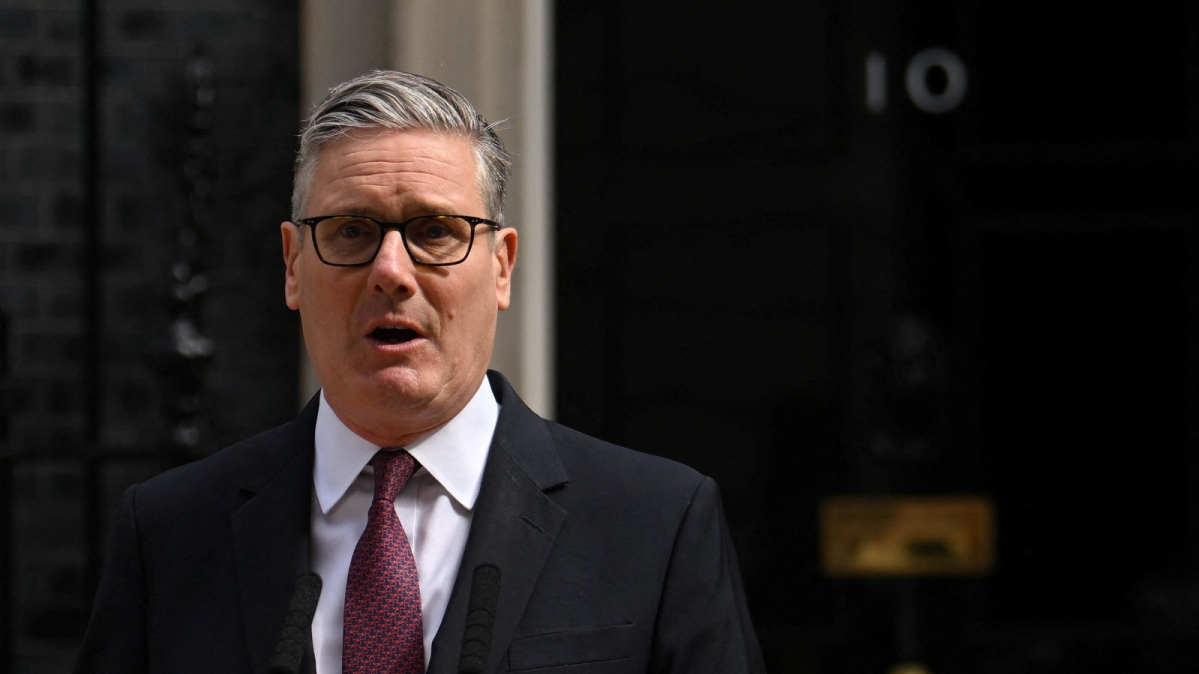
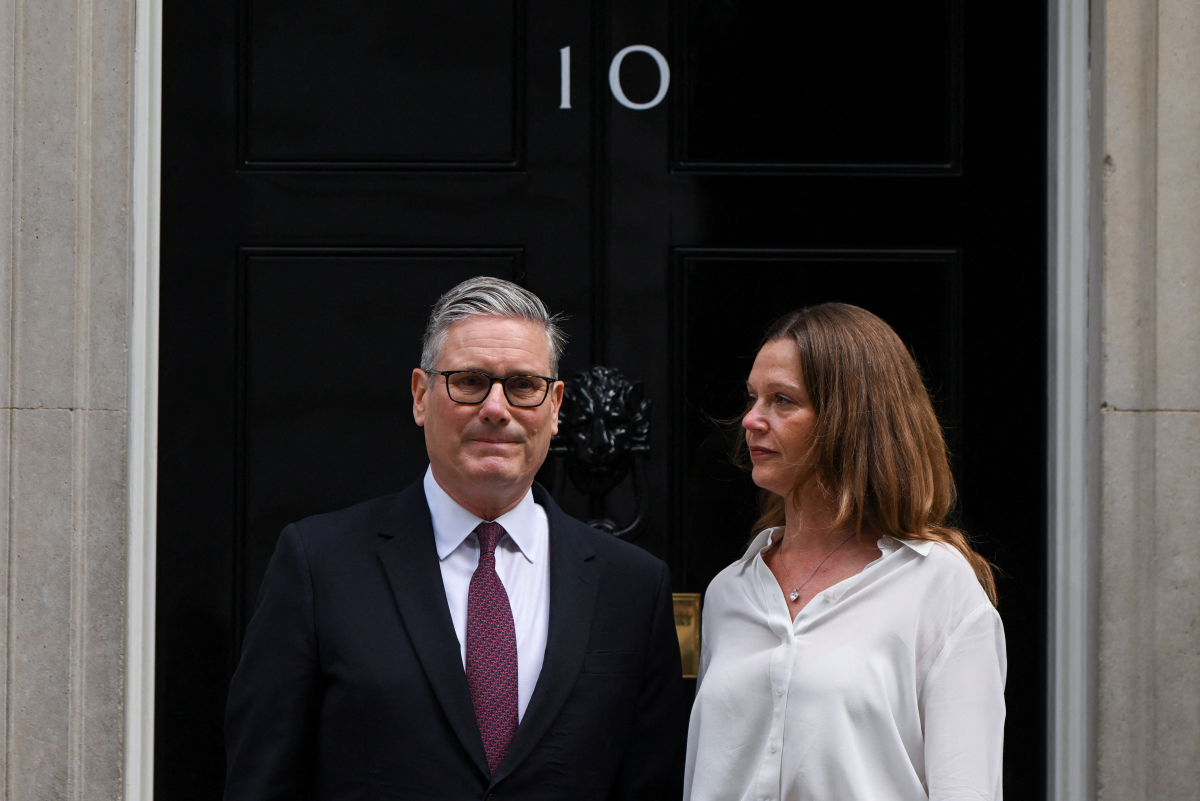
British Prime Minister Keir Starmer announced he will step down as Prime Minister and Labour Party leader in a tearful address outside Downing Street in London on Monday. Starmer's resignation comes two years after he won a landslide election victory.
"The question my party is asking now is whether I am best placed to lead us into the next general election, I have heard the answer of my parliamentary party to that question, and I accept that answer with good grace. I will resign as leader of the Labour Party," he said.
Starmer said that nominations for the leadership contest to replace him will open on 9 July and that the leadership election would be finished by the end of Parliament’s summer recess.
A new leader and a new Prime Minister would be in place before Parliament returns in September.
He also defended his record as Prime Minister, saying that his successor would "inherit a Britain that is far stronger and fairer than one I inherited two years ago.”
Burnham favourite to succeed Starmer
Starmer's resignation paves the way for former Greater Manchester Mayor Andy Burnham to replace him and for Britain to have its seventh leader in 10 years.
Burnham’s victory in the Makerfield by-election on Friday, where he decisively beat right-wing populists Reform UK, has sparked hopes he can revive the fortunes of the Labour Party, which has been consistently trailing Nigel Farage’s party in the polls for more than a year.
The 56-year-old earned a reputation for his good communication skills and willingness to advocate for communities in the north of England while Mayor of Greater Manchester, leading him to be nicknamed “King of the North,” by British media.
Labour has been battling to keep hold of its traditional supporters in the north of England, losing voters in towns to Reform UK and those in cities like Manchester and Sheffield to the Greens.
But Burnham faces an uphill battle if he replaces Starmer. He could find he has little room to manoeuvre, hemmed in by bond market investors opposed to any additional borrowing, and confronted by an angry electorate who believe the country is not working properly.
Successor faces serious challenges
Britain already has the highest borrowing costs in the G7, due to its high debt and interest payments, years of anaemic economic growth, its struggles to cut spending and the need to invest in areas like defence.
Investors spoken to by Reuters were divided over whether Burnham, who said last September that Britain had to get "beyond this thing of being in hock to the bond markets" would respect the need to reassure markets. He has since said he was misrepresented.
"In our view, a Burnham premiership would inherit a precarious fiscal situation with few tools to deliver meaningful change," economists at Citibank said on Friday.
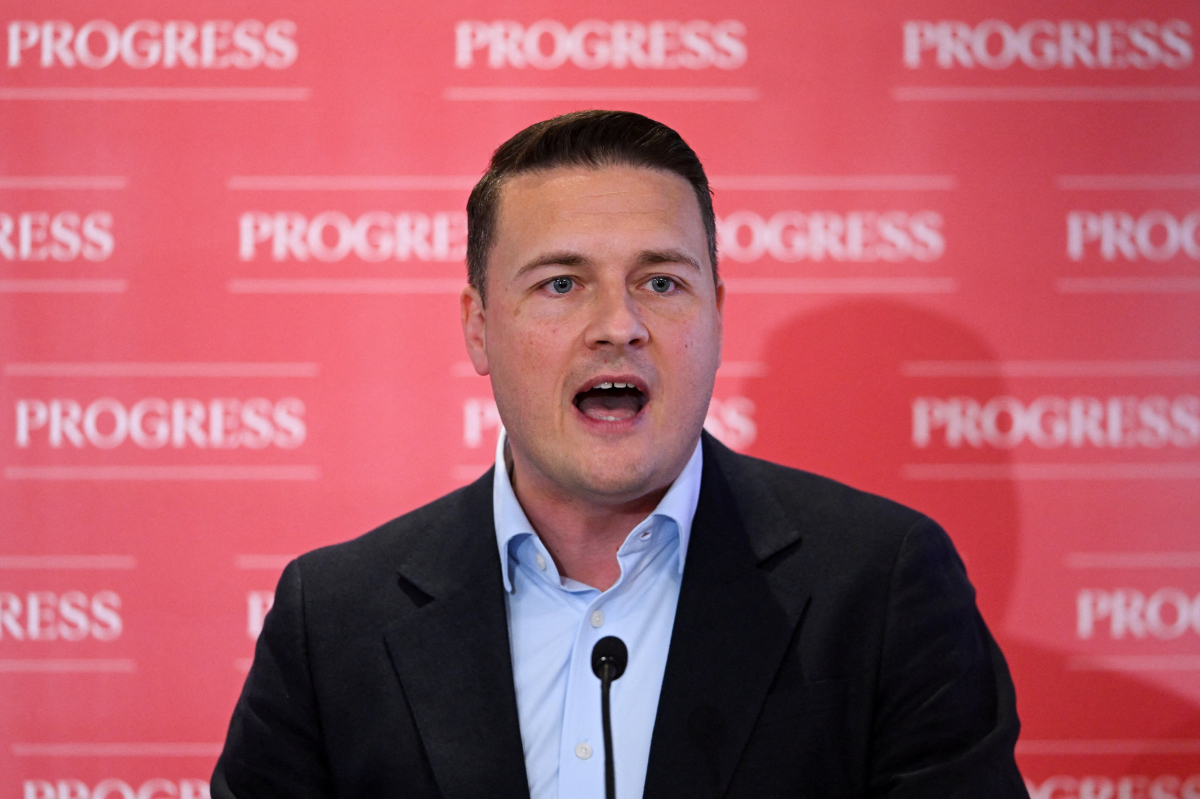
Former Health Minister Wes Streeting, who resigned from Starmer’s government in May, has said he has the backing of enough Labour MPs to enter the leadership race.
But one senior figure in the party said they believed Streeting could do a deal with Burnham, giving him a senior role if he stayed out of the contest.
Who is Keir Starmer?
Keir Starmer led the centre-left Labour Party to victory in the 2024 United Kingdom general elections, ousting the centre-right Convervative Party, which had ruled Britain for 14 years.
Starmer promised the country a "decade of national renewal," during the election campaign and the party's manifesto promised stronger workers' rights, a new publicly owned energy company and a reduction in NHS patient waiting times.
While the party hsa delivered on these promises, Starmer has struggled with extremely low personal approval ratings and a general unpopularity of his government, due to persistent inflation, which has outpaced wage growth, and a series of scandals and u-turns.
Starmer entered Parliament in 2015 and served as as Shadow Home Office Minister and later as Shadow Brexit Secretary under Jeremy Corbyn's Labour Party leadership. Following Corbyn's resignation, Starmer announced his intention to run as Labour Party leader, defeating rival Rebecca-Long Bailey.
Before entering Parliament, Starmer had a successful career as a Barrister and the UK's Director of Public Prosecutions. During his tenure, he pushed controversial rapid prosecutions in the aftermath of the 2011 England riots.
What comes next?
As Starmer has resigned as leader of the Labour Party, a leadership contest has automatically been triggered. Leadership candidates need to be an elected member of Parliament and need to secure nominations from 20 per cent, (or 81) of fellow Labour MPs.
Andy Burnham, the frontrunner to replace Starmer, has been reported as having secured as many as 200 nominations, around half of the parliamentary party.
Former Health Minister Wes Streeting, from the right of the party, has also said he has the backing of enough Labour MPs to enter the leadership race. Nominations for the leadership contest will open on 9 July.
All party members who have had continuous membership for at least six months’ prior are eligible to vote for the new leader. The successful candidate requires more than half of the votes cast to be elected as party leader.
The winning candidate is then appointed Prime Minister by the monarch. The process is expected to be complete before Parliament returns in September.
Who is Andy Burham?
Newly elected Makerfield MP Andy Burnham served in various roles as a senior government minister in the Labour government of Gordon Brown between 2008 and 2010. He previously tried to run for leader in 2010, when he finished fourth, and then again in 2015, when he lost out to left-winger Jeremy Corbyn.
Burnam resigned as an MP in 2017 and successfully ran to be Mayor of Greater Manchester, being re-elected as Mayor in 2021 and 2024. As Mayor of the UK's second city, he built a reputation as a effective communicator, during a period the city was undergoing an economic and construction boom.


















What is your opinion on this topic?
Leave the first comment