Abu Dhabi is increasingly looking to China for the technology it needs to build a greener economy, with its energy chief saying the partnership is advancing faster than many people realise.
Abu Dhabi deepens technology ties with China
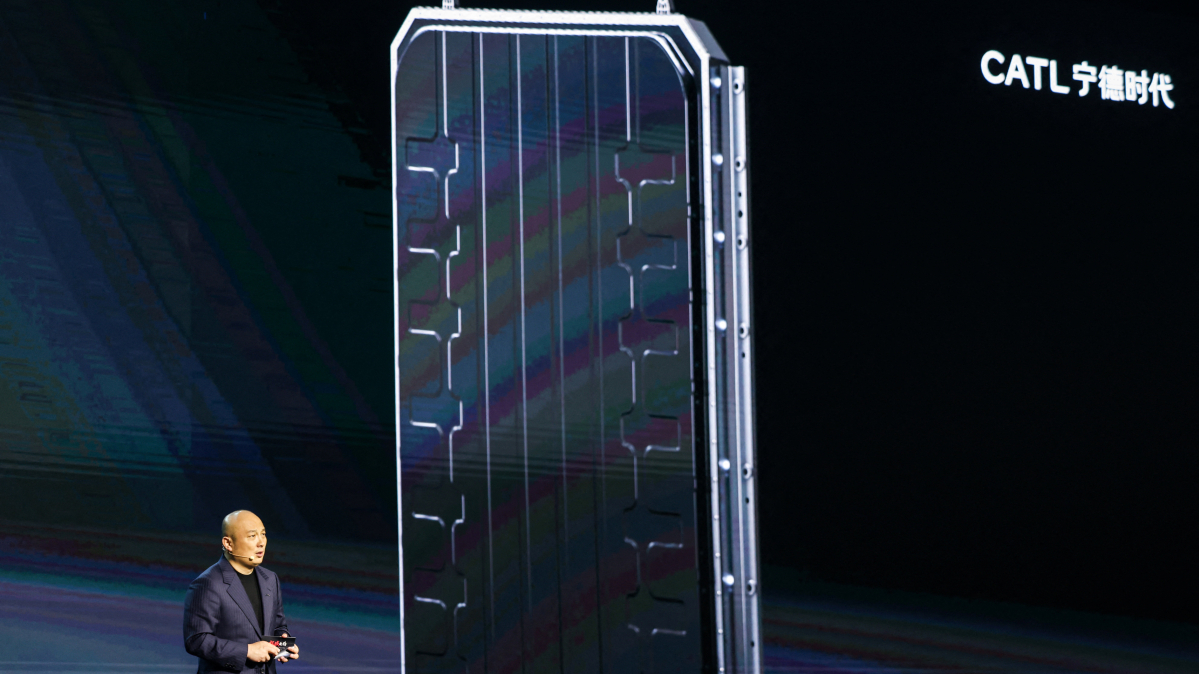
Abdulla Humaid Al Jarwan, chairman of the Abu Dhabi Department of Energy, said his department is currently in talks with 22 Chinese companies, including battery giant CATL, following a recent visit to Shanghai.
He described what he saw in China as "amazing", adding that Chinese firms are ready to develop the right solutions for Abu Dhabi and that "is exactly what we want to achieve".
The areas Abu Dhabi is exploring are broad. The emirate is seeking to harness Chinese technology across renewable energy, electric vehicles and robotics as part of its drive towards a greener economy.
Al Jarwan added that Abu Dhabi will offer strong logistical and policy support to Chinese firms to accelerate project development as demand for renewable energy continues to grow.
Why China is becoming Abu Dhabi's preferred partner
Abu Dhabi is increasingly turning to China rather than traditional Western partners for this technology for several reasons.
The emirate, which is the capital of the United Arab Emirates and one of the world's leading oil producers, has spent years working to reduce its dependence on fossil fuels and build an economy capable of thriving beyond the age of oil.
Abu Dhabi has set a target for clean energy to account for 50% of its total power generation by 2030 - a goal that requires substantial investment in new infrastructure and technology within a relatively short timeframe.
China, meanwhile, has become the world's dominant force in clean energy technology. Its companies lead global production of solar panels, wind turbines and battery systems.
CATL is the world's largest manufacturer of electric vehicle batteries and is increasingly expanding into energy storage systems for power grids. These are precisely the technologies Abu Dhabi requires, and China can provide them at a scale and cost that few Western companies can match.
Focus on infrastructure and innovation
The Abu Dhabi Department of Energy said its visit to China formed part of the emirate's wider vision to strengthen its position as a global hub for energy, technology and advanced infrastructure, while exploring new opportunities for cooperation and investment with international partners.
The visit included discussions on water systems, energy infrastructure and the adoption of emerging technologies, with a focus on transforming innovation into practical projects that deliver long-term value.
Existing investment provides strong foundation
The relationship between Abu Dhabi and China already has deep roots.
A flagship example is JOCIC Park, where nearly 40 Chinese companies have collectively invested more than $10 billion in energy equipment and advanced manufacturing projects in Abu Dhabi.
Priority areas for continued collaboration include high-end manufacturing, new energy, advanced materials and information technology - sectors that closely align with Abu Dhabi's economic diversification strategy.
Regional tensions add urgency
The war in Iran has added a layer of urgency to these efforts.
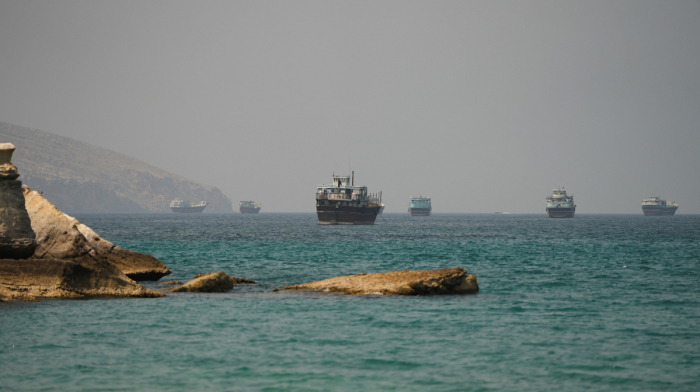
With oil supply routes disrupted and energy security at the top of governments' agendas across the region, the drive to build more resilient and diversified energy systems has intensified.
For Abu Dhabi, investment in renewable energy and green technology is no longer solely an environmental consideration; it is increasingly becoming an economic and strategic necessity.














What is your opinion on this topic?
Leave the first comment