Labour mayor Andy Burnham cleared a path to ousting British Prime Minister Keir Starmer after winning a parliamentary seat in northern England on Friday in what could be most consequential local election in more than six decades.
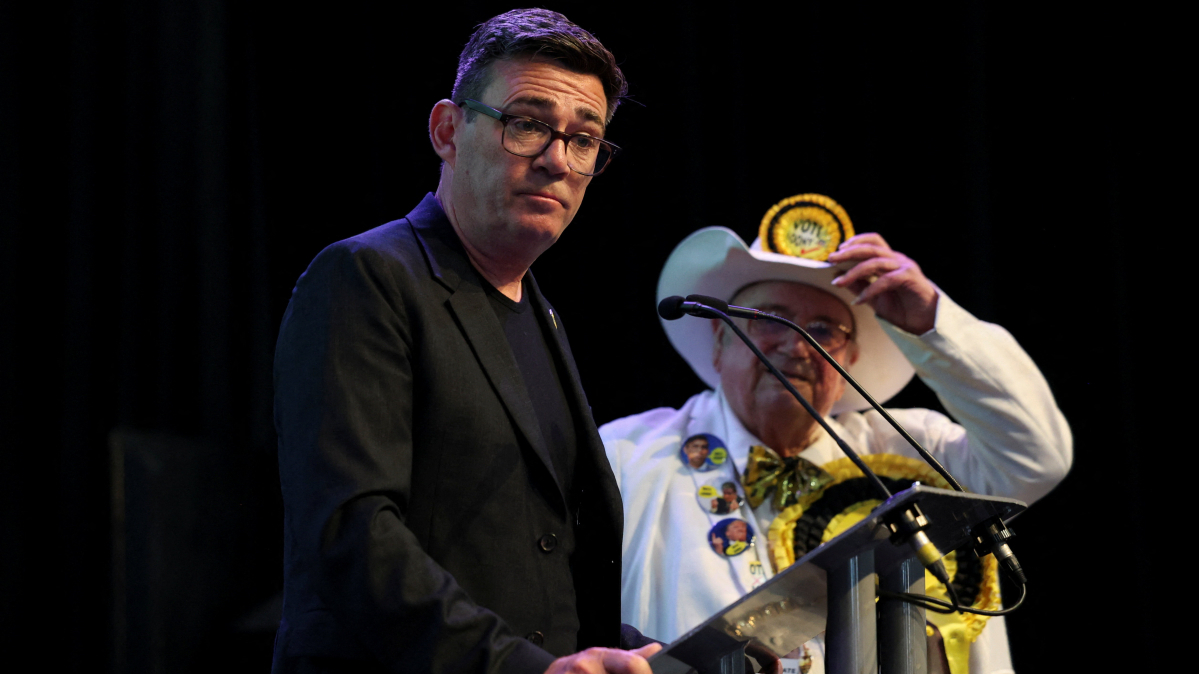
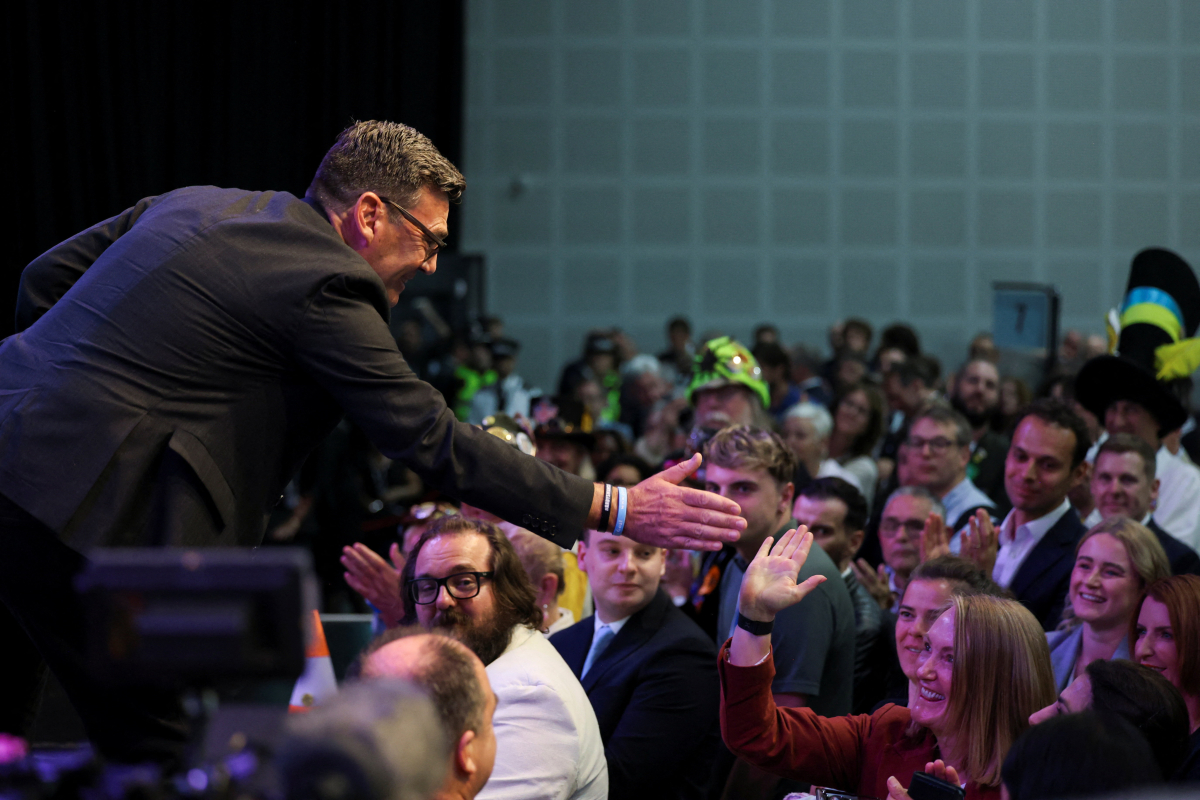
Burnham, the Greater Manchester mayor nicknamed the "King of the North", won the contest in Makerfield in northwest England with 24,927 votes, while the candidate for Nigel Farage's populist Reform UK party came second with 15,696 votes.
His victory means he will now be able to trigger or take part in a contest to replace Starmer, struggling with some of the worst popularity ratings of any leader. But the key question is when and how Burnham will do it.
In his victory speech, Burnham said the result could be a "turning point" for British politics and told his party that this was a final chance to change direction.
"We must hear it, we must act upon it, and we must get it right," he said. "There will be no second chance."
Polls show Burnham, 56, is Labour's most popular politician who would win a leadership contest decided by party members, while some Labour lawmakers hope Starmer could be persuaded to hand over power to avoid a damaging contest.
Labour divisions deepen as pressure grows on Starmer
Two years after winning a landslide national election, Starmer, 63, is one of the least popular British prime ministers since polling records began after scandals, policy U-turns, and accusations of indecision have derailed the delivery of the change he once promised.
About a quarter of Starmer's lawmakers have called for him to quit since his party suffered heavy losses in local elections last month, while senior colleagues, including the defence and health minister, resigned in recent weeks over his leadership.
A defiant Starmer said this week he would stand in any leadership contest and issued a warning to his party about the potential "chaos" of a potentially bitter and divisive leadership election.
But one Labour member of parliament, who stayed up to watch the election result in the early hours of Friday, said the scale of Burnham's victory means Starmer's departure is inevitable, the only doubt is over the timing and how he will leave office.
There was no immediate comment from Starmer's office.
Another of Starmer's main rivals, former health minister Wes Streeting, said this week he would force a contest soon unless the prime minister announced when he would stand down.
Burnham has said he will stand in any leadership contest.
Under Labour rules, it would take 20% of the parliamentary party, or 81 lawmakers, to announce they were backing a single candidate to trigger a leadership challenge.
If Starmer is ousted, Britain will be on its seventh prime minister in about a decade, the highest turnover in nearly two centuries, as voters punish leaders who failed to improve living standards, public services and tackle illegal immigration.
Burnham goes out for a celebratory drink
During a month-long campaign, Burnham has acted like a prime minister-in-waiting explaining policies for a potential future government.
Burnham has repeatedly tried to reassure nervous investors by insisting he would stick to the government's fiscal rules and not put up any of the main taxes.
This was after he said last year Britain was "in hock" to the bond markets, comments interpreted as meaning he would increase government borrowing. He has since said those comments were misrepresented.
The pound showed little reaction to Burnham's victory, which had been widely expected by investors.
After his victory speech, Burnham told journalists his first act as a newly-elected member of parliament would be to go for a pint of beer.













What is your opinion on this topic?
Leave the first comment