China steps up strategic pressure as global attention shifts
With governments focused on conflicts in the Gulf and Ukraine, China is pressing ahead with a more assertive military and strategic posture across ...
Nigeria’s parliament approved a constitutional bill on Thursday that would allow each of the country’s 36 states to create and operate its own police force alongside the federal Nigeria Police Force. The reform, long debated, aims to tackle the country’s growing security challenges.
Supporters, including President Bola Tinubu, argue that decentralised policing is essential for responding more effectively to localised threats such as insurgency, mass kidnappings, communal violence and oil theft.
The House of Representatives voted overwhelmingly in favour of the bill, with the Senate expected to pass it later on Thursday. The measure now requires ratification by at least two-thirds of state assemblies before it can take effect.
The legislation enjoys cross-party support and marks a major shift from decades of centralised policing controlled from Abuja.
Nigeria’s security landscape varies sharply by region: jihadist insurgency dominates the northeast; banditry and kidnappings affect the northwest and north-central areas; separatist-linked attacks occur in the southeast; and oil theft persists in the Niger Delta.
State governors have long argued that they are held responsible for security yet lack operational control over local police. Advocates of state forces say decentralisation could improve emergency response times, strengthen intelligence, and deploy officers familiar with local communities.
"Nigeria's centralised policing model slows emergency responses because states lack direct control," said Ayomide Akinwale, analyst at SBM Intelligence.
In May, gunmen abducted dozens of students and teachers in Oyo and Borno states, underscoring the reach of criminal and insurgent networks. Tinubu has promised increased federal police recruitment, giving momentum to the reform, which has stalled in previous attempts due to political differences.
Critics, however, warn that state police could be misused for political purposes, target minorities, or struggle with funding, training, and coordination, particularly in poorer states.
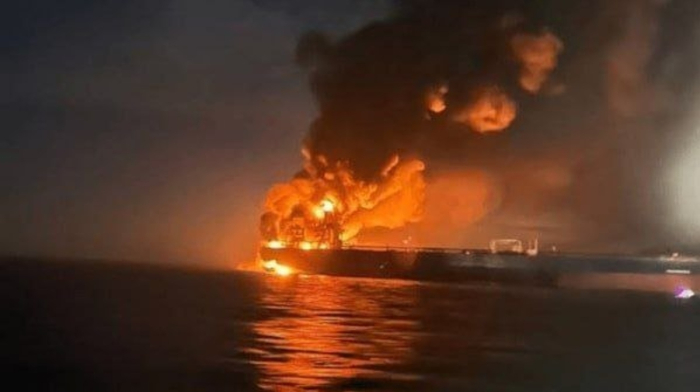
U.S. President Donald Trump says Washington is not seeking an extension of its memorandum of understanding with Iran, claiming the U.S. already controls the Strait of Hormuz through its naval blockade.
Iran has said the Strait of Hormuz will remain closed until the U.S. fulfils the terms of an interim deal, including lifting the maritime blockade and sanctions and releasing Iran’s frozen assets.
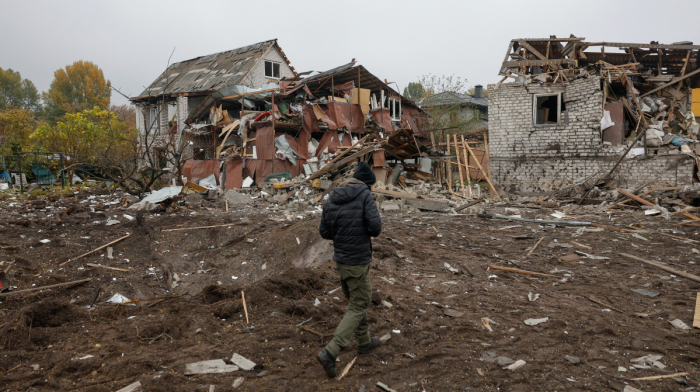
Ukraine has targeted at least 20 Wildberries warehouses across Russia since 18 July, disrupting a major logistics network. Kyiv says the strikes aim to disrupt alleged military-linked supplies, while the attacks have caused billions of dollars in losses and wider economic pressure.
South Korea's presidential Blue House said on Monday it was reviewing U.S. President Donald Trump's comments on scaling back joint military drills. It added that it hoped a favourable relationship between Washington and Pyongyang could lead to meaningful talks.
Azerbaijan exported goods worth $17.372 million to Armenia between January and July 2026, according to data from the State Customs Committee, as commercial ties between the two South Caucasus neighbours showed signs of expansion.
A federal judge has allowed the Trump administration to move forward with ending Temporary Protected Status (TPS) for thousands of Ethiopian nationals living in the United States, removing one of the last major legal obstacles to a broader effort to roll back humanitarian immigration protections.
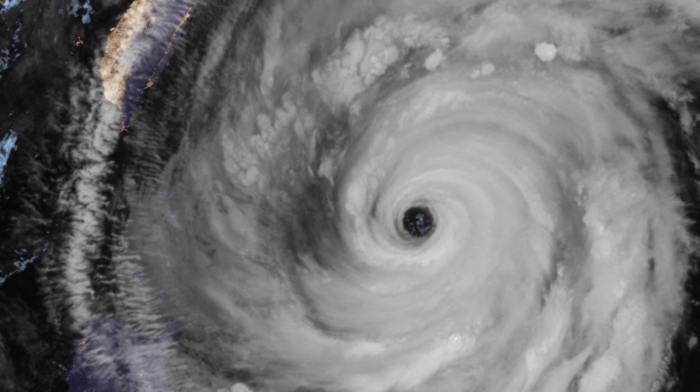
With governments focused on conflicts in the Gulf and Ukraine, China is pressing ahead with a more assertive military and strategic posture across the Pacific, particularly around its immediate neighbourhood.
The United States is pushing to establish a formal deconfliction mechanism between Israel, Türkiye and Syria after Israeli airstrikes on a Syrian airbase raised concerns about the risk of a wider regional confrontation.
A Syrian court on Tuesday sentenced Wassim al-Assad, a cousin of ousted President Bashar al-Assad, to death for crimes against humanity and war crimes committed during the former government’s rule, according to the state-run SANA news agency.
Britain will continue to support Ukraine “100 per cent” against Russia’s invasion, Prime Minister Andy Burnham said on Tuesday, after Moscow warned London of consequences over reports that British-made drones had been used in strikes on Russian territory.
You can download the AnewZ application from Play Store and the App Store.
What is your opinion on this topic?
Leave the first comment