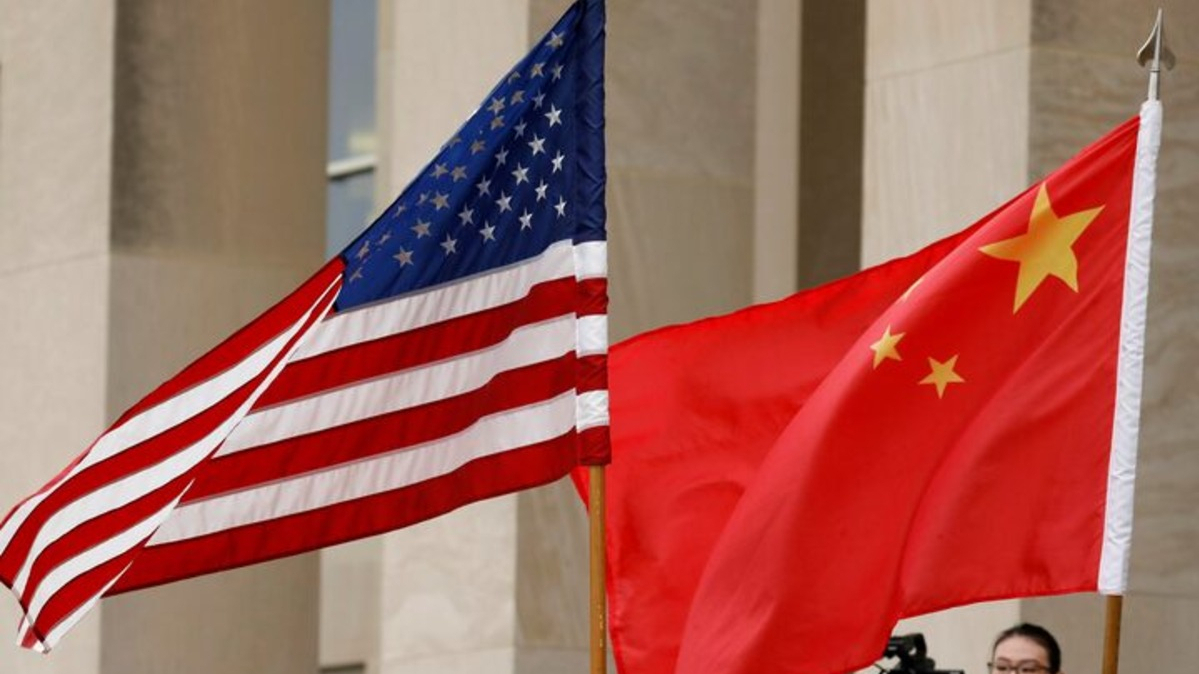
Senior economic officials from China and the U.S. are holding two days of trade talks in Seoul this week ahead of a summit in Beijing, where Donald Trump and Xi Jinping are set to meet face to face for the first time this year.
Chinese Vice Premier He Lifeng will meet U.S. Treasury Secretary Scott Bessent in the South Korean capital on 12–13 May, just days before Trump’s state visit to China on 14–15 May. He Lifeng is China’s top official on economic and trade affairs with the U.S., while Bessent is his American counterpart. Between them, they have been chiefly responsible for managing a trade relationship that has swung sharply between confrontation and cautious co-operation over the past two years.
Trade tensions escalated after Trump’s return
To understand why these talks matter, it helps to look back at recent events. When Trump returned to the White House in early 2025, trade tensions between the two countries escalated quickly. Both sides imposed successive rounds of tariffs on each other’s goods, with Washington targeting Chinese exports across a broad range of categories and Beijing responding with duties on American products and restrictions on certain exports to the U.S.
At their peak, the tariffs were high enough to significantly disrupt trade flows and rattle financial markets on both sides.
The Busan trade truce
The tension eased somewhat last October, when Trump and Xi met in the South Korean city of Busan and agreed to a year-long trade truce, stepping back from the cycle of tit-for-tat measures that had intensified throughout the year.
The truce did not resolve the underlying disputes, but it bought both sides time and created space for a more structured dialogue. He Lifeng and Bessent have been the principal architects of that process, meeting in person and speaking regularly through what both governments describe as a bilateral economic and trade consultation mechanism.
What will be discussed in Seoul?
China’s Ministry of Commerce said this week’s Seoul talks will be guided by the consensus reached between the two leaders during their Busan meeting and in previous calls, focusing on economic and trade issues of mutual concern.
That covers a broad range of issues, including tariff levels, market access for American and Chinese companies, technology restrictions, and the terms of any extended or expanded trade arrangement. None of those issues are straightforward, and none are likely to be fully resolved during two days of talks in Seoul.
Preparing the ground for the leaders' summit
What the Seoul meetings are really about is preparation. Talks at this level, in the days immediately before a leaders’ summit, are typically used to narrow differences, agree on language and identify what can realistically be announced when the principals meet.
Officials handle the technical negotiations so leaders can focus on the broader political and strategic picture.
Competing economic visions
Bessent framed the week’s engagements in characteristically direct terms, saying that economic security is national security and that he looks forward to advancing President Trump’s “America First Economic Agenda”.
Beijing has been equally clear that it expects any agreement to reflect mutual respect and balance, language that signals it will not accept a deal that appears to be a concession.
Why Seoul matters
The choice of Seoul as the venue is partly logistical - a convenient stop between Tokyo, where Bessent held separate meetings with Japanese officials, and Beijing. But it also carries quiet significance.
South Korea is where the two sides last found enough common ground to reach an agreement. Whether that pattern holds this week, and what it leads to when the leaders meet in Beijing, is the question being closely watched across diplomatic and trade circles.

















What is your opinion on this topic?
Leave the first comment