live Iran warns of confrontation if U.S. blockade persists - Thursday, 30 April
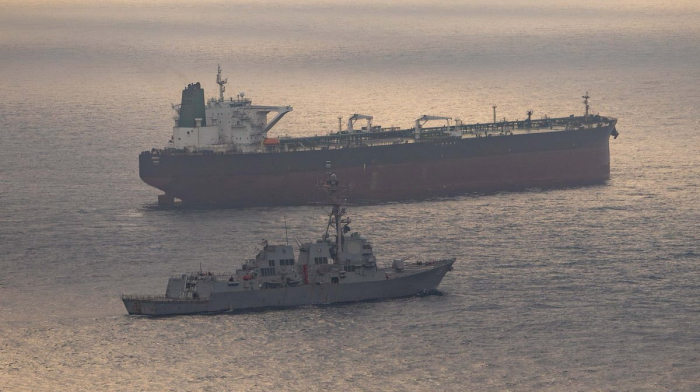
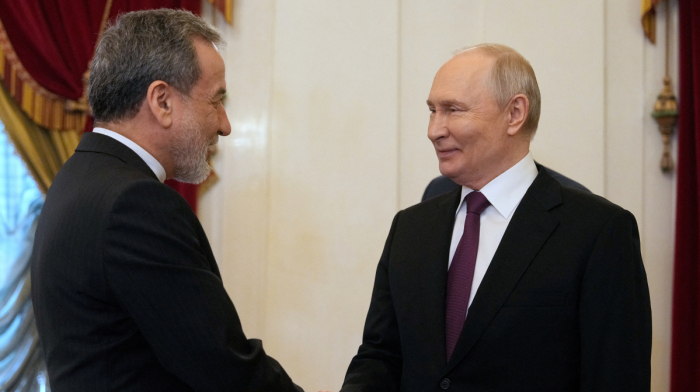
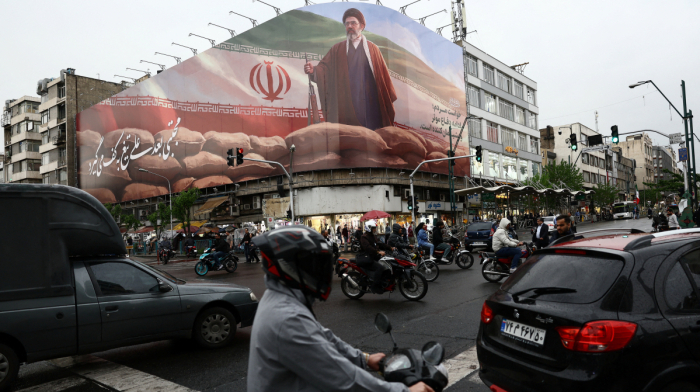
A senior adviser to Iran’s Supreme Leader warned the U.S. port blockade would fail, saying Tehran has ways to bypass it and could turn to con...
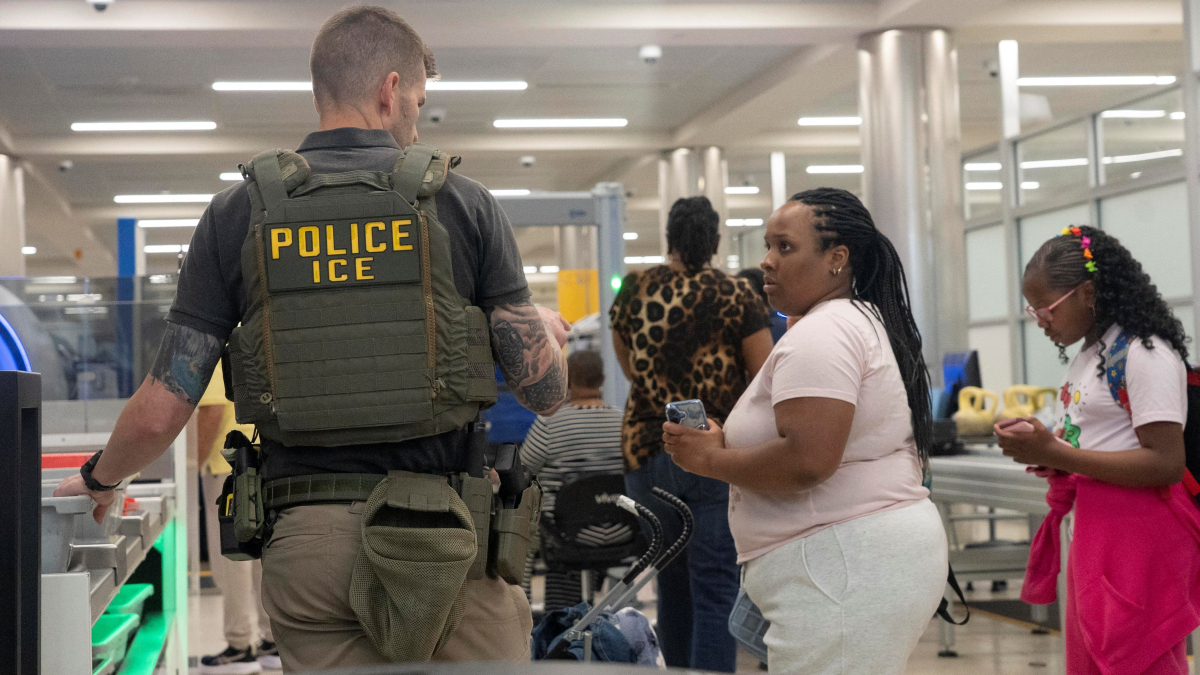
The U.S. House of Representatives approved a three‑year budget plan on Wednesday that clears the way for Congress to take up an additional $70 billion for immigration enforcement by federal agencies.
The measure passed by a narrow 215–211 vote, with Democrats opposing it. House Speaker Mike Johnson kept the vote open for more than five hours as he worked to secure enough Republican support, with some lawmakers from farm states pressing for a separate vote on expanding the sale of ethanol‑blended gasoline.
The Senate passed the budget plan on 23 April, meaning Republicans in both chambers can now begin drafting the details of the proposed funding package and seek approval before sending it to President Donald Trump.
Republican leaders aim to move the legislation in May using a special parliamentary process that allows passage in the Senate without Democratic backing.
Republicans used the same procedure last year to approve roughly $130 billion for Immigration and Customs Enforcement and the Border Patrol, funding requested by Trump to support his large‑scale migrant deportation push.
Democrats have criticised the approach and sought to curb enforcement operations, particularly after protests erupted following the fatal shooting of two U.S. citizens by federal agents in Minneapolis earlier this year.
Separately, funding pressures remain at the Department of Homeland Security, with several agencies set to run out of money by the end of the week unless Congress passes a temporary legislation to fund the federal government (Continuing resolution or Stopgap bill) for a limited period before the fiscal year ends on 30 September.
While the Senate has approved a Department of Homeland Security (DHS) funding measure covering agencies such as the Secret Service, Coast Guard and the Federal Emergency Management Agency (FEMA), House Republicans have yet to support it.
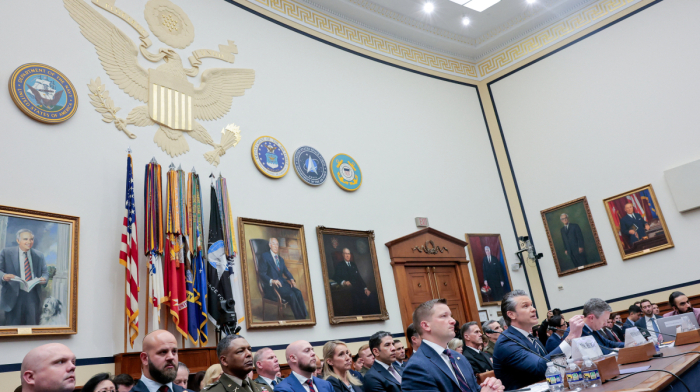
A Pentagon official provided the first official estimate of the cost of the U.S. war in Iran on Wednesday (29 April), telling lawmakers that $25 billion had so far been spent on the conflict, most of it on munitions. Earlier, Donald Trump said that the U.S. had "militarily defeated" Tehran.
A report published by Minval Politika has raised new questions over alleged efforts by Luis Moreno Ocampo to shape international pressure against Azerbaijan and influence political dynamics around Armenia.
Tensions between the United States and Iran remain high after a U.S. official said President Donald Trump was unhappy with a proposal from Tehran that does not deal with its nuclear programme. Washington is insisting that any talks must address Iran’s nuclear activities.
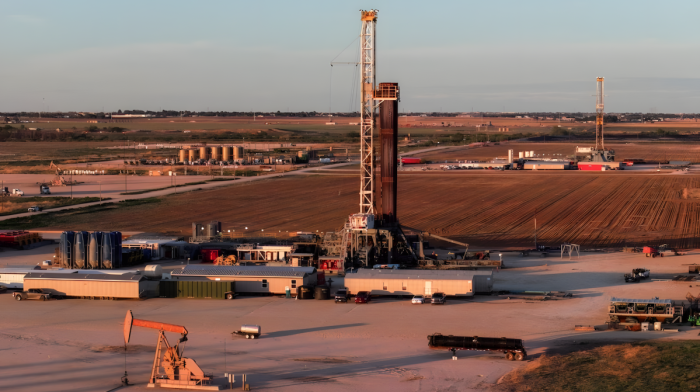
The decision by the United Arab Emirates to leave OPEC+ on 1 May has put renewed focus on one of the most influential groups in global energy - and how its decisions can shape oil prices worldwide.
A senior adviser to Iran’s Supreme Leader warned the U.S. port blockade would fail, saying Tehran has ways to bypass it and could turn to confrontation if pressure persists, even as an extended U.S.–Iran ceasefire remains in place after weeks of deadly fighting earlier this year across the region.
Start your day informed with the AnewZ Morning Brief. Here are the top stories for the 30th of April, covering the latest developments you need to know.
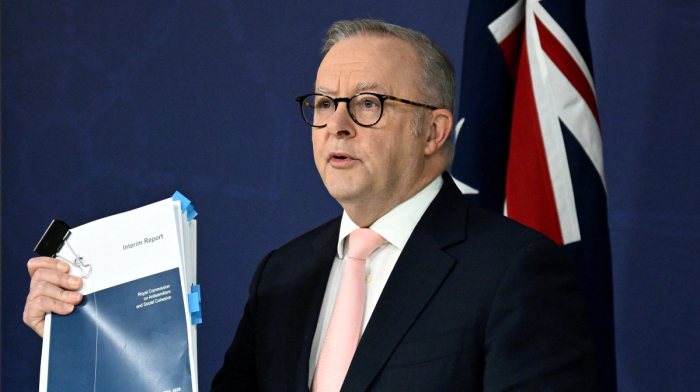
An initial inquiry into last year’s mass shooting at Bondi Beach has called for a series of counter-terrorism reforms, alongside increased security at Jewish public events and further gun control measures.
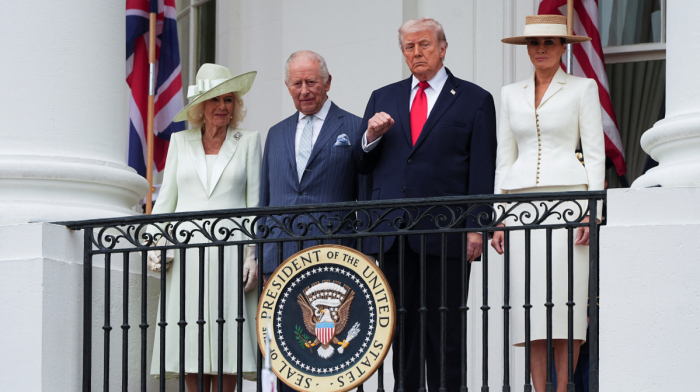
Britain's King Charles and Queen Camilla commemorated victims of the 11 September, 2001, an al Qaeda attack on New York City on Wednesday, laying a floral bouquet at the memorial where the World Trade Centre's twin towers once stood.
Two Jewish men have been stabbed in London in an incident that British police are treating as a terrorist attack.
Reversing a decade of restrictions, New South Wales has opened new areas for gas exploration in its remote west. The move reflects growing concern over future energy supply across Australia’s east coast.
You can download the AnewZ application from Play Store and the App Store.
What is your opinion on this topic?
Leave the first comment