Trump says Hezbollah and Israel agreed to halt attacks amid fragile ceasefire
U.S. President Donald Trump said on Monday (1 June) that he held productive discussions with Israeli Prime Minister Benjamin Netanyahu and, through in...
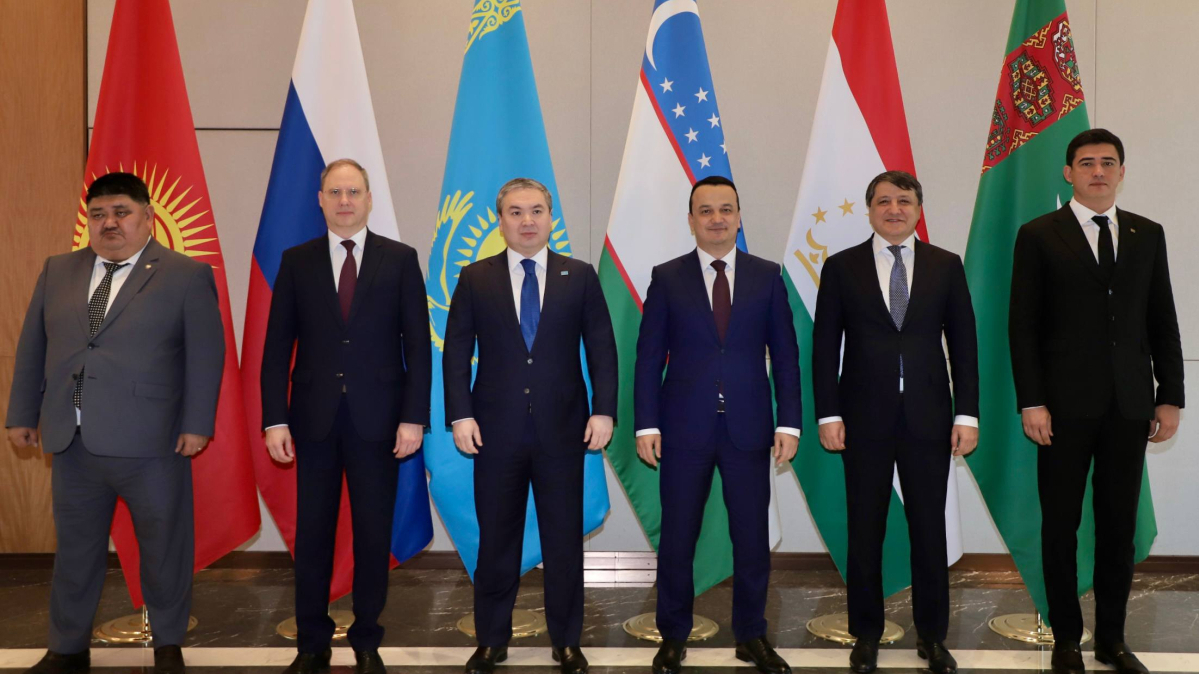
Central Asian countries and Russia have launched a new platform for industrial cooperation, signalling a shift from traditional trade ties towards deeper production integration.
The meeting brought together industry and investment ministers from Central Asian countries and Russia, marking the launch of a new regional platform for industrial cooperation.
Speaking at the meeting was Uzbekistan’s Minister of Investment, Industry and Trade, Laziz Kudratov. He noted that Uzbekistan’s industrial sector now accounts for 27% of GDP, with output having doubled in recent years. Trade turnover with partner countries exceeded $21 billion in 2025 and grew by a further 26% in the first quarter of 2026. Participants emphasised the need to move from trade-based cooperation to joint industrial development.
Ministers proposed the development of a unified programme for industrial cooperation and localisation, aimed at strengthening regional value chains and boosting manufacturing capacity. A new initiative titled “Young Industrial Leaders - 2030” was also introduced to train 10,000 qualified specialists across the region.
In addition, an expert working group will be established to advance joint projects and coordinate implementation. The meeting concluded with the signing of a joint communiqué, formalising commitments to expand cooperation in key industrial sectors.
The new format aligns with wider efforts to deepen economic ties between Central Asia and Russia. Earlier, foreign ministers meeting in Moscow reaffirmed their commitment to expanding cooperation in trade, energy, transport and logistics. According to official data, total trade turnover between the region and Russia reached approximately $50 billion last year, reflecting steady growth in economic engagement.
Officials say the combination of Central Asia’s economic potential and Russia’s industrial capacity creates opportunities for long-term partnership, with increasing emphasis on investment, joint production and technological collaboration.

U.S. rapper Kanye West, now known as Ye, performed to a crowd of 118,000 people in Istanbul on Saturday night, marking his first concert in Europe in more than a decade, despite being barred from performing in several countries over past antisemitic remarks.
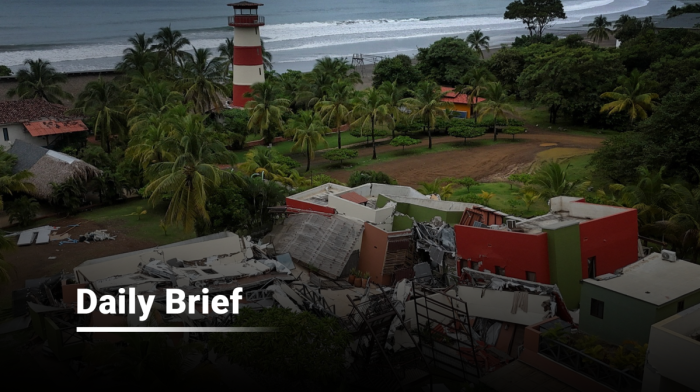
Okinawa lost transport links and suffered widespread power outages on Monday (1 June) as Severe Tropical Storm Jangmi brought destructive winds and heavy rain to Japan's south-western islands.
U.S. Secretary of State Marco Rubio has held talks with Lebanese President and Israeli Prime Minister on efforts to ease tensions between Israel and Lebanon. According to a U.S. official, Washington has proposed a plan aimed at achieving a gradual de-escalation of hostilities.
The World Health Organisation’s designation of the Bundibugyo Ebola virus outbreak as a Public Health Emergency of International Concern (PHEIC) is a stark reminder that Ebola remains a persistent global health threat rather than a disease of the past.
The Africa Centres for Disease Control and Prevention (Africa CDC) says the Ebola outbreak in the Democratic Republic of Congo and Uganda is continuing to spread, with 263 confirmed cases and 43 deaths reported as of 30 May.
Start your day informed with the AnewZ Morning Brief. Here are the top stories for the 2 June, covering the latest developments you need to know.
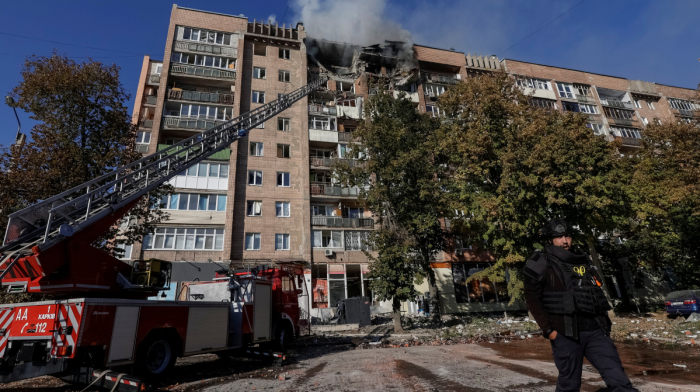
Russian air attacks on major Ukrainian cities such as Kyiv, Dnipro and Kharkiv killed at least nine and wounded more than 60 early on Tuesday, authorities said, following days of warnings that Moscow was planning a major assault.
U.S. President Donald Trump said on Monday (1 June) that he held productive discussions with Israeli Prime Minister Benjamin Netanyahu and, through intermediaries, with the Iran-backed Hezbollah movement. He expressed optimism that a fragile ceasefire in Lebanon could hold despite hostilities.
Chile's far-right President José Antonio Kast, who took office in March, promised a legislative agenda that prioritises fighting crime, cutting spending and boosting economic growth in his first national address on Monday.
Denmark’s Social Democratic leader Mette Frederiksen said on Monday (1 June) she has agreed to form a new centre-left coalition government, securing a third consecutive term as prime minister amid heightened diplomatic tensions with the United States over Greenland.
You can download the AnewZ application from Play Store and the App Store.
What is your opinion on this topic?
Leave the first comment