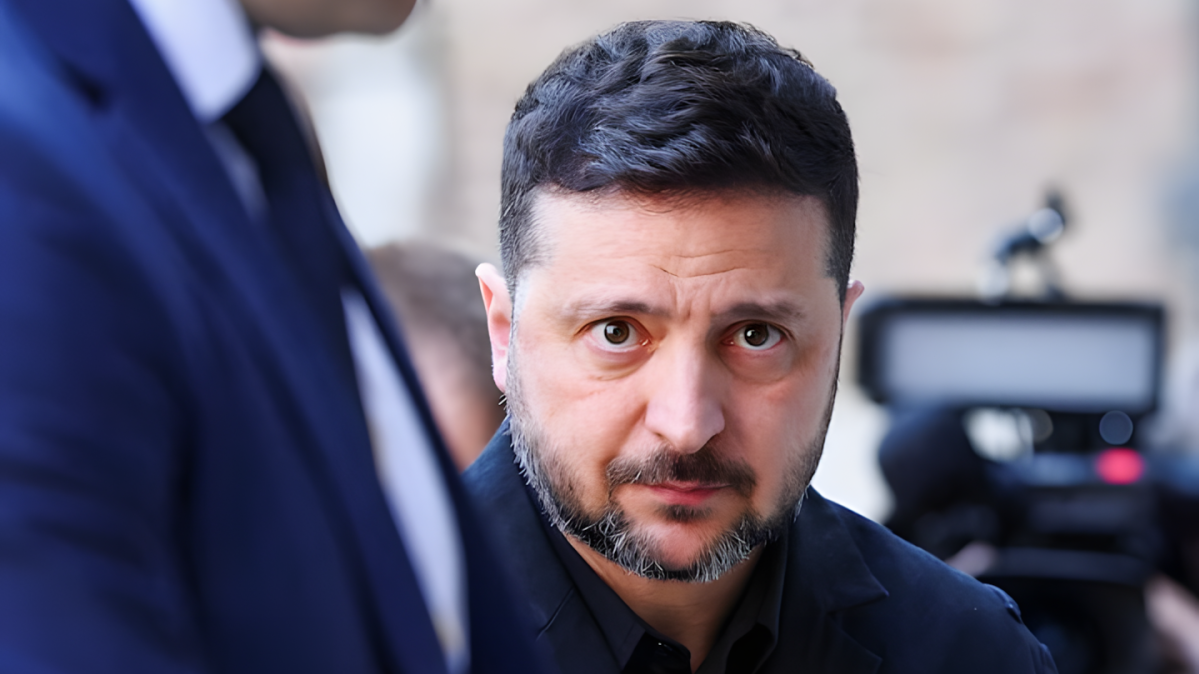
Ukraine's President Volodymyr Zelenskyy has called on Europe to urgently develop a sovereign defence system capable of intercepting ballistic missiles.
The call for a continental anti-ballistic shield underscores a key vulnerability in Ukraine’s war with Russia and highlights wider weaknesses in European air defence. Ballistic missiles, which descend at supersonic speeds from high altitude, remain one of the most difficult threats for Ukraine to counter.
Currently, only advanced interceptor missiles used by the U.S.-made Patriot system have consistently succeeded in destroying Russian ballistic weapons.
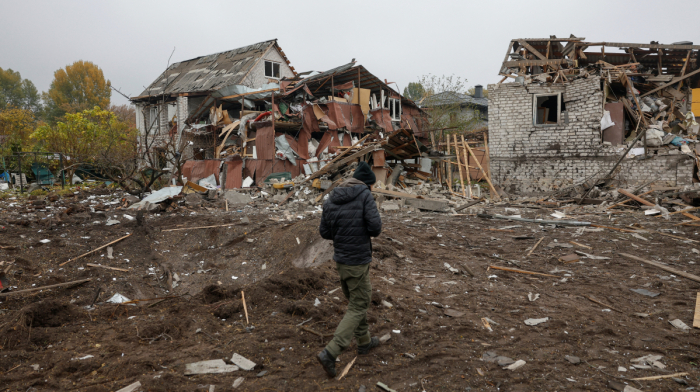
Reliance on American systems, however, is increasingly seen as a strategic risk. Russia has used ballistic missiles extensively to target Ukraine’s energy infrastructure, with repeated strikes overwhelming older Soviet-era defences. These attacks have damaged power stations and disrupted electricity transmission networks across the country.
A continental solution to a critical shortfall
Speaking to national broadcaster Marathon on Sunday, Zelenskyy outlined plans for a European-led system.
"I believe, and my idea is that we should have a European anti-ballistic missile defence system. We are in talks with several countries and are working in this direction," he said.
He suggested an ambitious timeline: "We need to build our own anti-ballistic missile defence system within a year."
While describing the task as "extremely difficult", Zelenskyy said Europe has the industrial and technological capacity to deliver. He confirmed discussions with several European leaders but did not name participating countries or provide technical details.
U.S. supply pressures and global tensions
The urgency of the proposal is linked to a global shortage of interceptor missiles. Supplies of U.S. Patriot systems have tightened due to competing demands.
Washington has deployed significant resources to the Persian Gulf to defend allied interests against Iranian missile threats, stretching production capacity already under pressure from the war in Ukraine.
As a result, Ukraine has had to ration its most effective air defence systems. Europe’s own alternative, the SAMP/T (Mamba) system developed by Italy and France, remains limited in number and cannot be scaled quickly enough to meet demand.
Ukrainian industry drives new initiative
Alongside political efforts, Ukraine’s defence industry is advancing its own solutions.
Fire Point, a Ukrainian manufacturer known for its ‘Flamingo’ cruise missile, recently told Reuters it is in discussions with major European defence firms to develop a new air defence system by next year.
The aim is to produce a lower-cost alternative to the Patriot system. By combining Ukrainian battlefield data with European manufacturing capacity, developers hope to create an interceptor capable of countering Russian Iskander and Kinzhal missiles more affordably.
If successful, the project could strengthen Ukraine’s air defences while offering European countries a scalable, homegrown solution to improve their own capabilities.


















What is your opinion on this topic?
Leave the first comment