Progessive Bulgaria, led by pro-Russian Eurosceptic Rumen Radev is on track to form Bulgaria’s next government, after official results showed a runaway victory for the coalition in the Balkan nation's parliamentary elections on Monday (20 April).
Radev's three party coalition, formed to contest the election, had 44.7% of the vote after 91.7% of ballots were counted, surpassing expectations.
Polls leading up to the election indicated the coalition led by the ex-fighter pilot was expected to pick up 30% of votes.
Radev’s coalition looks set to clear the 120-seat mark required in Bulgaria’s 240-member parliament to form a government, without having to rely on other parties.
A woman with a dog walks next to a voting booth during the parliamentary election, in Sofia, Bulgaria, 19 April, 2026.
Reuters
"This is a victory of hope over distrust, a victory of freedom over fear, and finally, if you will, a victory of morality," Radev told a press conference late on Sunday.
Radev promises 'strong Bulgaria and strong Europe'
In his victory speech, Radev said he aimed to build “a strong Bulgaria and a strong Europe,” calling for “critical thinking, pragmatic actions and good results.”
He stressed the need to rebuild Europe’s security architecture and strengthen industrial competitiveness.
Radev ran on an anti-corruption platform, pledging to “root out the mafia and kick out the oligarchs” amid continued political instability in the country.
Uncertainty remains
Speaking to AnewZ, Angel Petrov, journalist at Dnevnik, said the result represents both disruption and continuity in Bulgaria’s political system.
He said the election outcome “will change everything and nothing at the same time,” noting that while the political elite will be reshaped, it remains unclear whether Radev has “the expertise, the nerve, the guts to reform a highly personalised system.”
Petrov stressed that real political power in Bulgaria extends beyond central government, pointing to entrenched local structures.
“Until local elections come and his power is tested at the local level, we don’t know how powerful he is,” the analyst said, despite the coalition’s strong parliamentary mandate.
He added that Radev employs dual messaging- a more critical tone for domestic audiences and a more pragmatic, EU-facing approach internationally.
European leaders welcome result
EU foreign policy chief Kaja Kallas said she looked forward to cooperation “for the prosperity and security of Bulgaria and Europe,” while European Council President António Costa welcomed the “outright victory” and stressed joint work on a “prosperous, autonomous and secure Europe.”
NATO Secretary General Mark Rutte said he had spoken with Radev following the election and expressed hope for continued cooperation on shared security challenges.
Croatian Prime Minister Andrej Plenković described the result as a “convincing victory,” highlighting continued EU and bilateral cooperation.
Political shift and domestic instability
The election marks Bulgaria’s eighth parliamentary vote since 2021, reflecting persistent political fragmentation and declining voter engagement.
Turnout stood at 34.63%, according to the Central Election Commission, lower than previous elections and highlighting growing political fatigue in the country of 6.5 million.
Despite economic growth, Bulgaria continues to face structural governance challenges and slow institutional reform.
Long-standing instability and protests
Radev, a former Air Force commander and Bulgaria’s president from 2017 until his resignation in 2026, launched the Progressive Bulgaria coalition earlier this year to enter parliamentary politics and position himself as a future prime minister.
He has criticised EU military support for Ukraine, calling it a “doomed cause,” and expressed skepticism over euro adoption, raising concerns among Western partners.
The Kremlin on Monday welcomed his position, saying it was impressed by his “desire to resolve issues with Russia via pragmatic talks.”
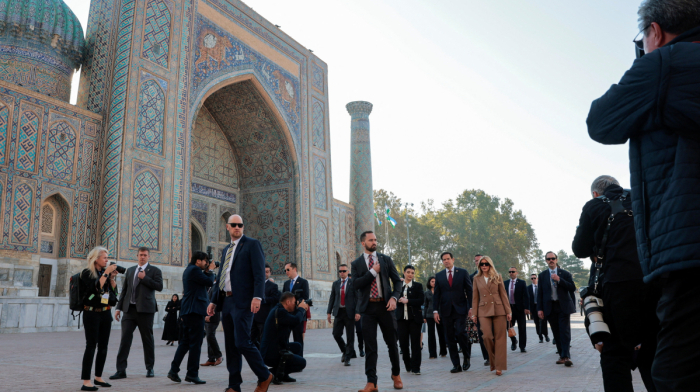
Uzbekistan summoned Iran’s ambassador following claims by several Iranian diplomatic missions that the historical and architectural heritage of Samarkand belongs to Persian or Iranian-Islamic civilisation, Tashkent's Foreign Ministry said.
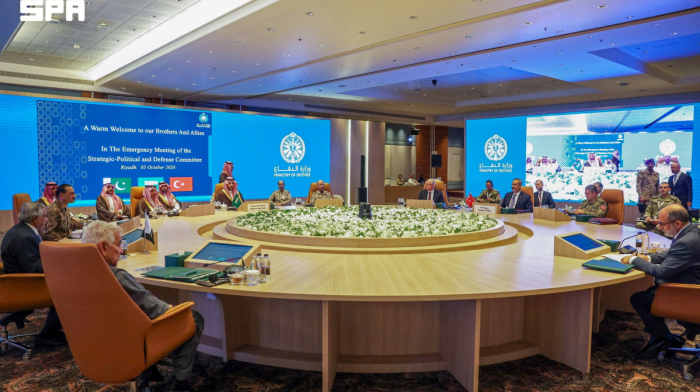
Iran's Supreme National Security Council says senior officials from Saudi Arabia, Pakistan and Türkiye will travel to Tehran to discuss regional security.
Russian strikes hit several parts of Ukraine overnight, injuring at least six people and targeting energy and port infrastructure, as President Volodymyr Zelenskyy said U.S. warnings about imminent Russian ballistic missile attacks had resumed.
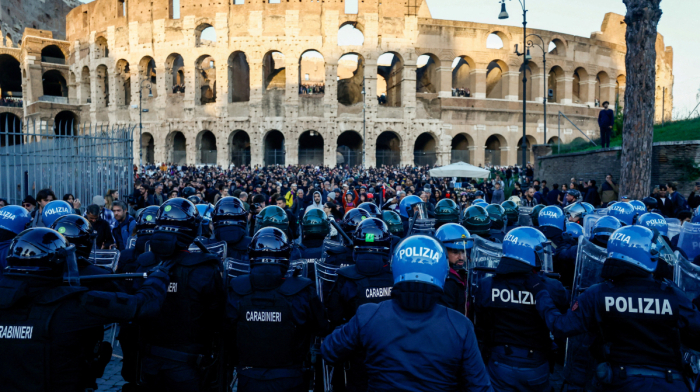
Protests against war and rising living costs took place in major Italian cities on Saturday, with some incidents of violence and clashes, a week after unrest erupted across the country.
Russian strikes hit several parts of Ukraine overnight, injuring at least six people and targeting energy and port infrastructure, as President Volodymyr Zelenskyy said U.S. warnings about imminent Russian ballistic missile attacks had resumed.
With 189 football associations represented, shorter matches and smaller teams, Azerbaijan is hosting a different kind of World Cup, designed to give young players international experience.
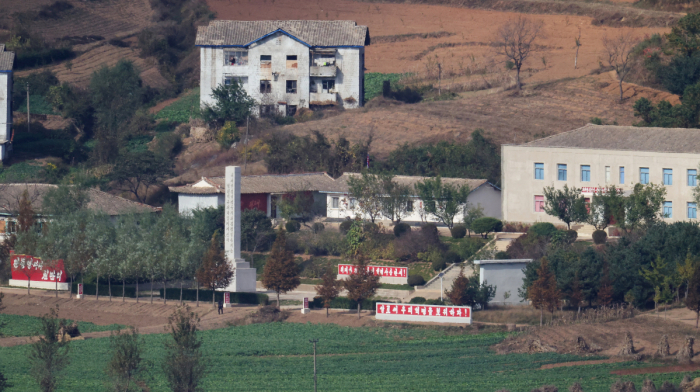
Tensions between North and South Korea have escalated after Pyongyang challenged Seoul’s account of a September landmine incident in a letter to the UN Security Council, as North Korean artillery was spotted near the heavily fortified border.
Iran's Supreme National Security Council says senior officials from Saudi Arabia, Pakistan and Türkiye will travel to Tehran to discuss regional security.
Download the AnewZ app
You can download the AnewZ application from Play Store and the App Store.








What is your opinion on this topic?
Leave the first comment