A powerful tropical cyclone in Western Australia has disrupted production at the country’s two biggest liquefied natural gas plants run by Chevron and Woodside, exacerbating a global supply crunch caused by the conflict in the Middle East.
Chevron said it was working to restore production at its Gorgon and Wheatstone LNG facilities in Western Australia following outages that were likely due to Tropical Cyclone Narelle, a Category 3 storm, which made landfall on Friday.
Gorgon is Australia’s largest LNG export facility, producing 15.6 million metric tons a year with three processing trains, while the smaller Wheatstone consists of two trains producing 8.9 million tons.
"We will resume full production at both facilities once it is safe to do so," a Chevron Australia spokesperson said.
An outage occurred at the Wheatstone platform, about 225 km (140 miles) off Australia's west coast, about midday on Thursday local time (0400 GMT), causing a suspension of onshore gas production, the company said.
"All personnel were demobilised from the Wheatstone Platform ahead of the cyclone passing, which has been operated remotely from our Perth office since Tuesday afternoon," the spokesperson said.
Three hours later, an outage shut down one of three LNG production trains at the Gorgon facility on Barrow Island, about 50 km offshore.
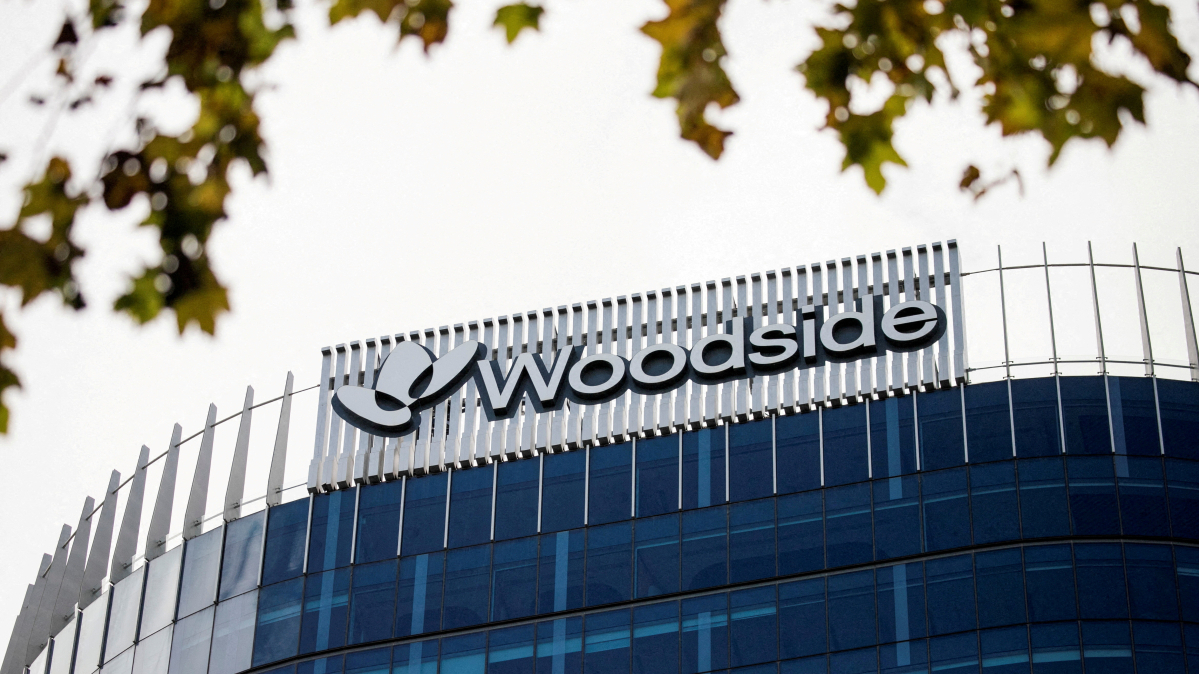
Woodside also said production at its Karratha gas plant had been disrupted by the cyclone. The gas plant is the onshore processing facility for the North West Shelf, Australia's oldest and second-largest LNG project, producing 14.3 million metric tons a year, down from 16.9 million tons a year after it shut down one of its five production trains.
The company also lowered its production guidance for 2026 to 172 million to 186 million barrels of oil equivalent thanks to downtime at its separate Pluto LNG facility after a record 198.8 million barrels of oil equivalent in 2025.
Production would restart after "Woodside is able to mobilise its workforce to its offshore facilities," it said, adding that operations were continuing at its Macedon domestic gas plant and Pluto LNG.
"If there is any material impact to production or assets, Woodside will update the market," a spokesperson said.
A spokesperson for Japanese oil company Inpex said there had been no damage or outages at its Ichthys LNG project in Western Australia.
Darren Klemm, commissioner of Western Australia's Department of Fire and Emergency Services, said authorities were still waiting to assess the damage from the cyclone but that it would likely be significant.
Separately on Tuesday, Santos confirmed its 3.7 million ton Darwin LNG project was offline temporarily. The company said the shutdown was related to maintenance work.
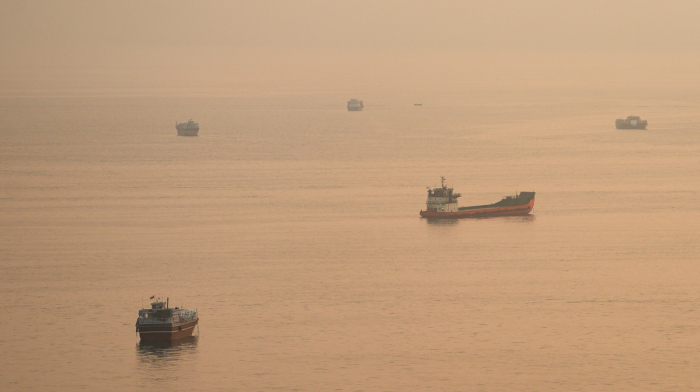
Australia became the world’s second-largest LNG exporter after Qatar shut down production this month following damage to its facilities from Iranian strikes. Global LNG flows out of the Middle East have also been upended by Iran’s blockage of the Strait of Hormuz.
















What is your opinion on this topic?
Leave the first comment