Iran's Pezeshkian says barter trade helps economy withstand sanctions
President Masoud Pezeshkian has defended his administration's economic performance under longstanding Western sanctions and severe wartime conditions,...
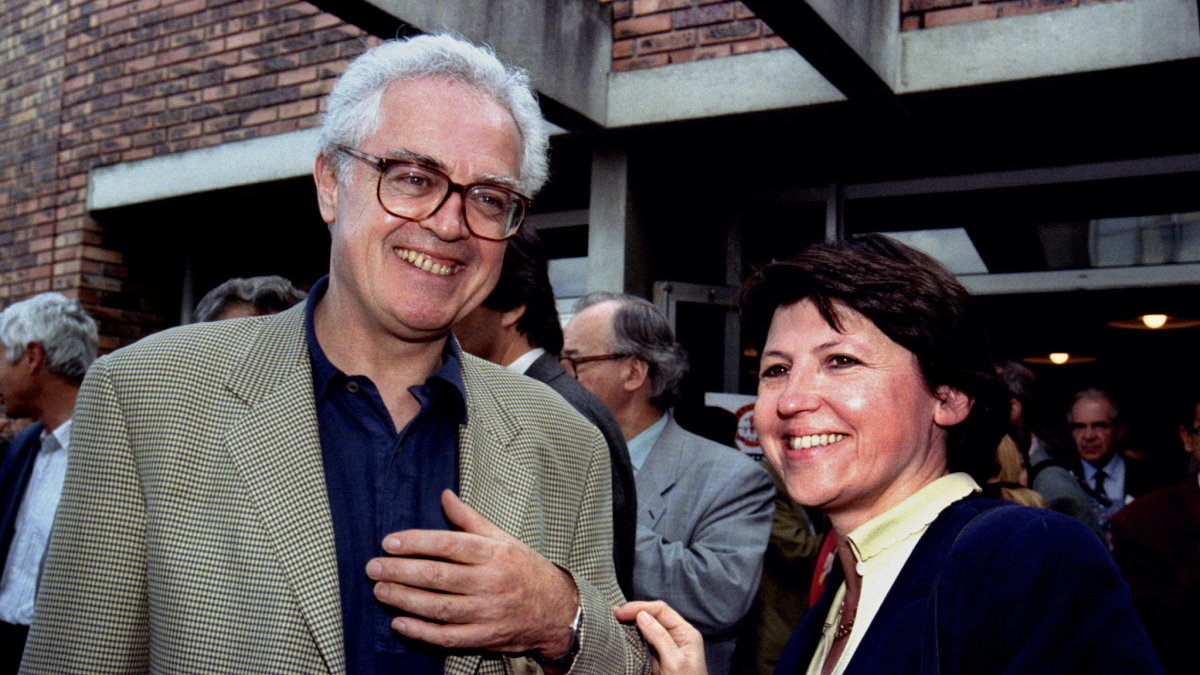
Former French Socialist prime minister Lionel Jospin has died at the age of 88, broadcaster BFM reported on Monday, citing party sources. The cause of death was not immediately known.
Jospin served as head of government from 1997 to 2002 under centre-right President Jacques Chirac in a period of “cohabitation”, when France’s president and prime minister come from opposing political camps. His tenure was marked by a blend of progressive social reforms and economic pragmatism.
As prime minister, he reduced the standard working week to 35 hours, expanded access to healthcare and introduced civil unions granting rights to unmarried couples, both heterosexual and same-sex. At the same time, he pursued fiscal discipline and oversaw a wave of privatisations, encapsulated in his oft-quoted stance: “Yes to the market economy, no to a market society.”
A reserved and intellectual figure, Jospin struggled to connect with voters despite presiding over a period of economic growth and falling unemployment. His political career came to an abrupt end in 2002, when he was eliminated in the first round of the presidential election, finishing behind far-right candidate Jean-Marie Le Pen. In a shock announcement that evening, he took full responsibility and withdrew from political life.
Born in 1937 into a politically engaged Protestant family, Jospin rose through the Socialist Party to become a close ally of President François Mitterrand and later a mentor to future leaders.
He is survived by his wife, philosopher Sylviane Agacinski, and his children.

U.S. President Donald Trump said there was an "all-day negotiation" on Tuesday with Iran, characterising the talks positively while also threatening to hit Iran "really hard" if a deal was not reached.
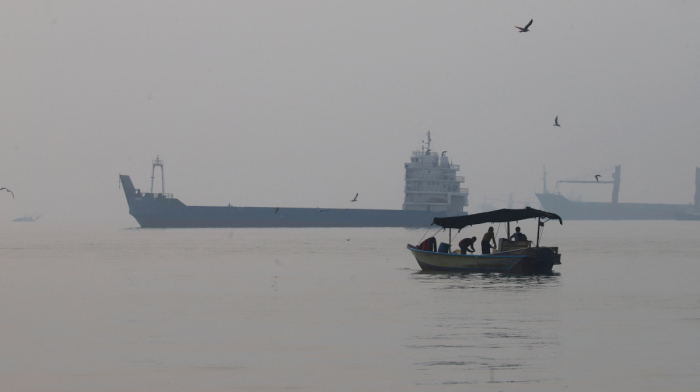
Shipping traffic through the Strait of Hormuz and the Bab el-Mandeb Strait, two key maritime chokepoints in the region, decreased significantly from the previous day, according to shipping data.
Start your day informed with AnewZ Morning Brief. Here are the top news stories for the 6th of August, covering the latest developments.
Kazakhstan’s main oil export corridor was disrupted by drone strikes near Russia’s Black Sea coast in July, forcing a temporary suspension of crude loadings and raising fresh concerns over the vulnerability of regional energy infrastructure to the war in Ukraine.
Ukrainian President Volodymyr Zelenskyy has dismissed the country's ambassadors to Tajikistan, Kyrgyzstan and several other countries. The removals came after a speech on Monday in which he said embassies would be judged on their effectiveness in securing weapons for Ukraine.
Uzbek exporters say repeated disruptions to Wildberries' logistics network in Russia have slowed deliveries and affected overseas sales, prompting the government to hold talks with the online marketplace's management.
Tajikistan tripled fuel imports from neighbouring Central Asian countries in July after deliveries from Russia declined sharply, underscoring how disruptions to Russian exports are prompting governments across the region to seek alternative suppliers.
Morocco has expressed its readiness to work with Spain and other European partners to identify and return unaccompanied minors following the mass arrival of tens of thousands of migrants Ceuta last week.
Three students and three teachers are among the dead following a school shooting in Thailand, with at least 15 injured, according to Royal Thai Police.
Start your day informed with AnewZ Morning Brief. Here are the top news stories for the 7th of August, covering the latest developments.
You can download the AnewZ application from Play Store and the App Store.
What is your opinion on this topic?
Leave the first comment