Rohingya genocide explained: What the landmark ICJ ruling means for Myanmar
The United Nations' highest court has ruled that Myanmar committed genocide against its Rohingya Muslim minority during a 2017 military crackdo...
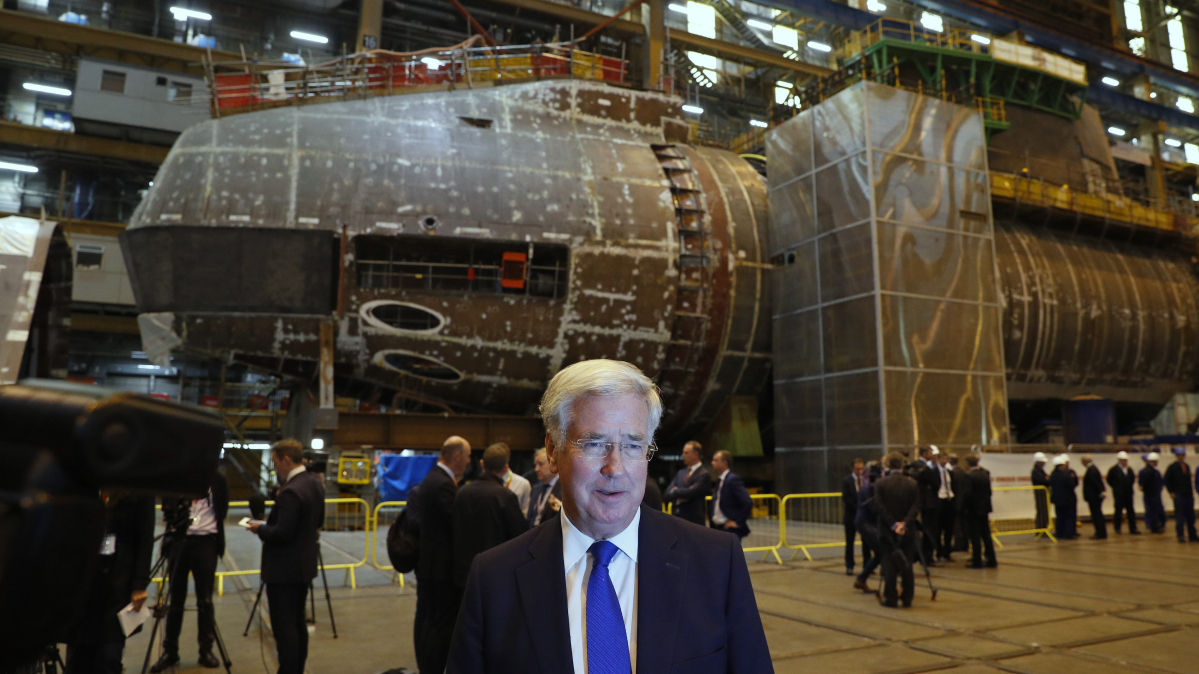
A British nuclear-powered submarine armed with Tomahawk cruise missiles has reportedly taken up position in the Arabian Sea, the Daily Mail reported on Saturday (21 March). The deployment gives the UK the ability to carry out long-range strikes if tensions in the Gulf escalate.
HMS Anson, equipped with Tomahawk Block IV missiles and Spearfish torpedoes, left Perth, Australia, earlier this month and reportedly travelled roughly 5,500 miles to its current location.
The submarine reportedly surfaces at intervals to communicate with the UK’s Permanent Joint Headquarters in Northwood, where any launch order would need to be authorised by the Prime Minister and transmitted via the Chief of Joint Operations.
The deployment comes amid rising tensions in the Gulf region, where threats to the Strait of Hormuz - a vital shipping route through which around a fifth of the world’s oil passes - have raised fears of conflict.
Downing Street recently authorised the U.S. to use British bases for potential strikes against Iranian targets seen as threatening the strait.
Reuters has not independently verified the report, and the British Ministry of Defence did not immediately respond to a request for comment.
The move would underline the UK’s commitment to regional security alongside allies, particularly as tensions between Iran and Western powers continue to rise.
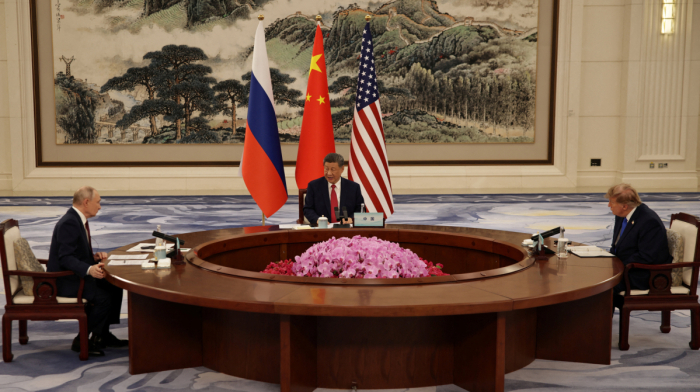
U.S. President Donald Trump, Russian President Vladimir Putin and Chinese President Xi Jinping are holding trilateral talks at the APEC summit in Shenzhen, China, with Ukraine, nuclear arms control and global security on the agenda.
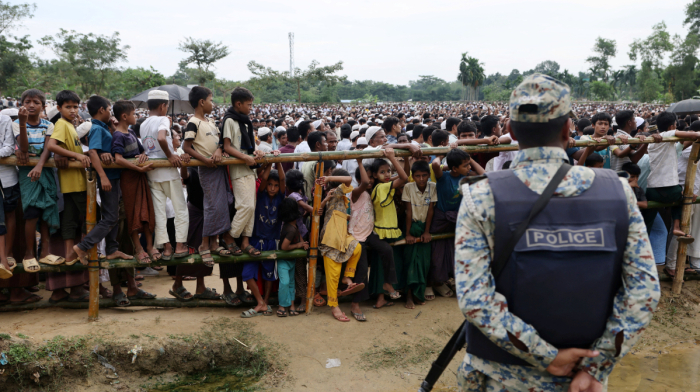
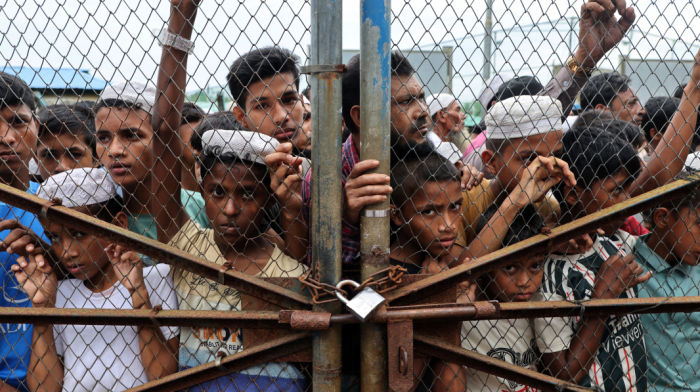
Myanmar's security forces committed genocide against Rohingya Muslims during a brutal military crackdown in 2017 that killed thousands and involved widespread sexual violence, the United Nations' top court ruled on 19 November.
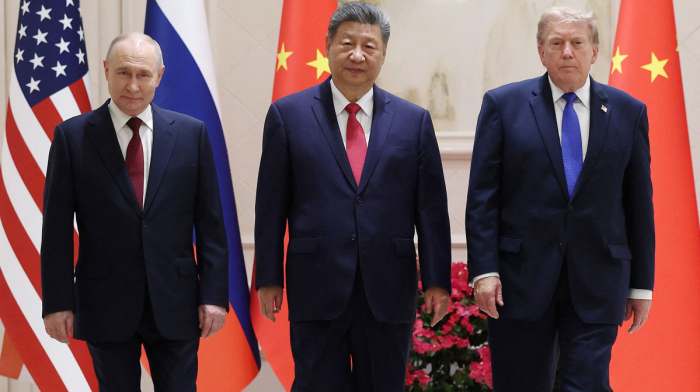
U.S. President Donald Trump, China's Xi Jinping and Russia's Vladimir Putin have issued a joint “declaration of peace” following historic talks in southern China, but stopped short of committing to nuclear arms reductions or addressing the war in Ukraine in their joint statement.
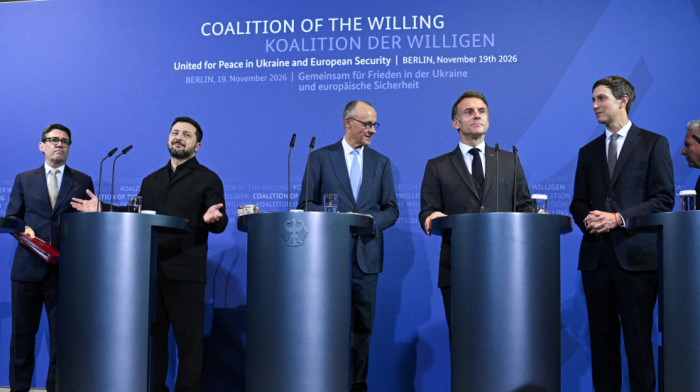
European leaders backing Ukraine met in Berlin on Thursday 19 November and warned that no peace deal should be settled without them.
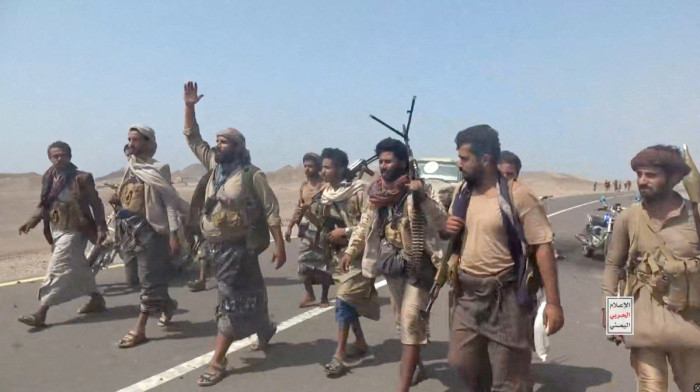
Saudi Arabia is preparing for up to six more months of fighting against Yemen’s Houthis, potentially extending the conflict into spring 2027, Reuters reported, as the kingdom struggles to secure gains on the ground.
The United Nations' highest court has ruled that Myanmar committed genocide against its Rohingya Muslim minority during a 2017 military crackdown that forced hundreds of thousands to flee their homes.
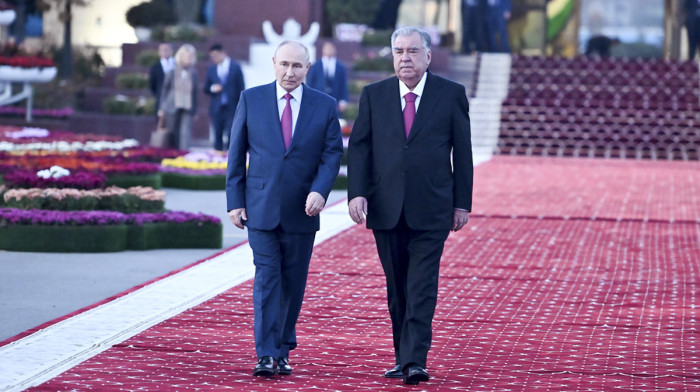
Tajik President Emomali Rahmon and Russian President Vladimir Putin held talks in Dushanbe on 20 November, focusing on labour migration, security along Tajikistan’s border with Afghanistan and the future of Russia’s military presence in the country.
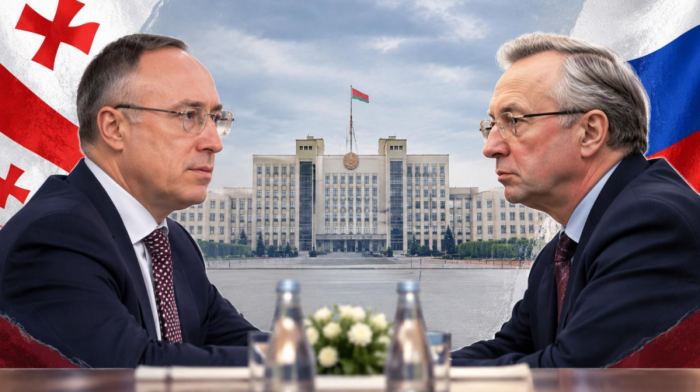
Georgia and Russia have resumed direct official talks, with senior diplomats meeting in Minsk on 19 November to discuss trade, economic cooperation and regional security, despite longstanding tensions between the two countries.
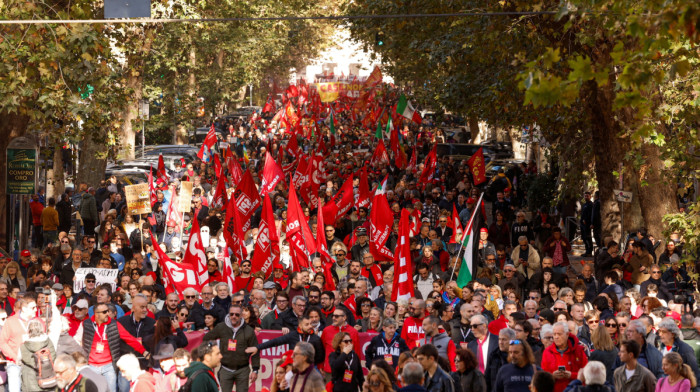
Students and workers took to the streets across Europe on Friday, 20 November, demanding better pay, affordable housing and more funding for education and public services, while protesting against rising military spending.
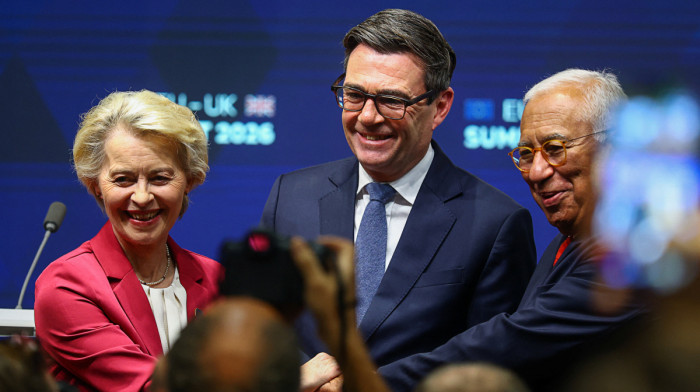
Britain and the European Union have reached an agreement to ease trade, expand opportunities for young people and deepen economic ties, in a major step towards rebuilding relations after Brexit.
You can download the AnewZ application from Play Store and the App Store.
What is your opinion on this topic?
Leave the first comment