Caspian crude gains traction as Japan looks to diversify oil supplies
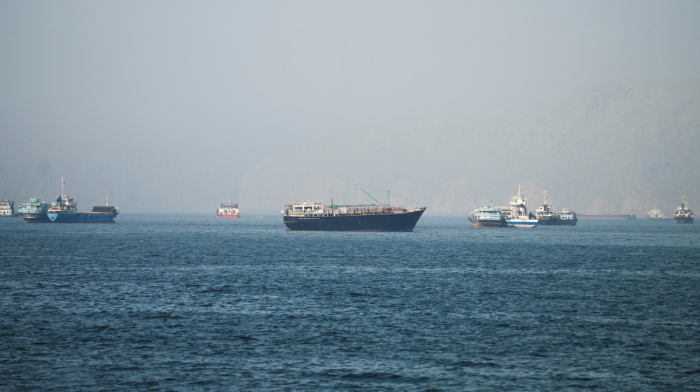
Japan’s growing interest in Caspian crude reflects a pragmatic response to uncertainty in global energy markets and its continued reliance on...
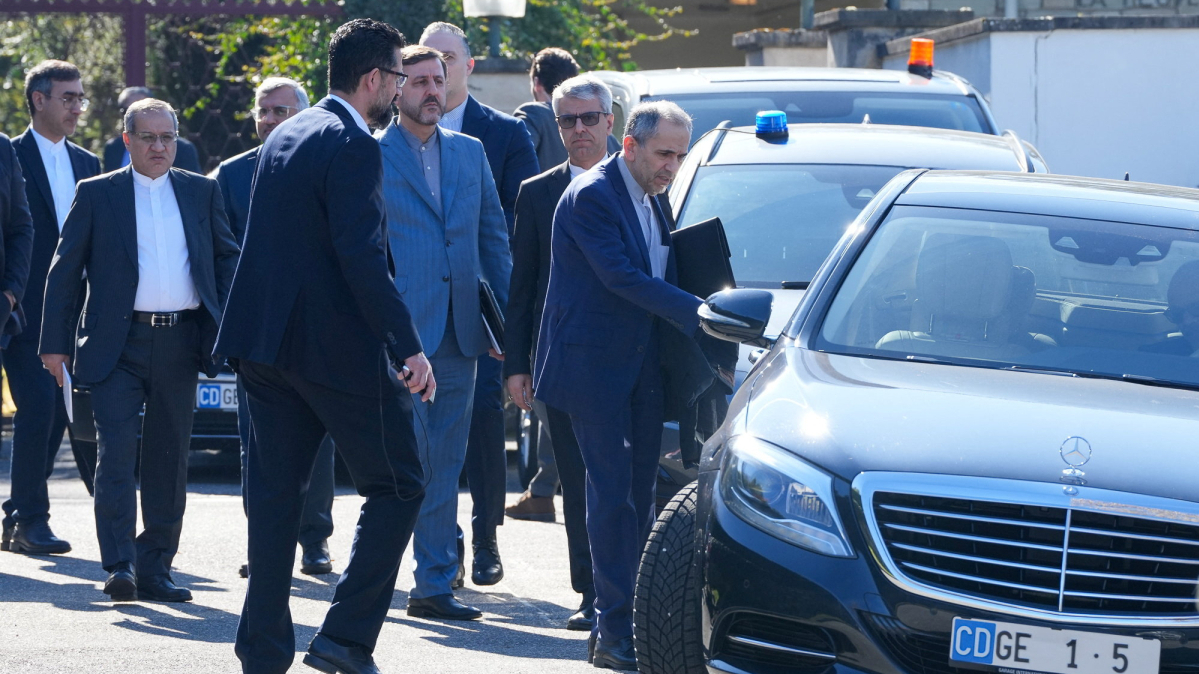
Nuclear negotiations between the United States and Iran in Geneva have been described as “positive”, according to a report by Axios citing a U.S. official.
The talks took place in Switzerland and involved U.S. President Donald Trump’s special envoy, Steve Witkoff, and his son-in-law Jared Kushner, who met Iranian Foreign Minister Abbas Araghchi.
Although the meeting was described overall as positive, Axios reported that the U.S. side had been “disappointed” with Iran’s positions during the morning session, citing a source familiar with the discussions.
The two sides plan to resume negotiations soon after consultations in their countries' capitals, with techical-level discussions scheduled to take place next week in Vienna, Omani Foreign Minister Sayyid Badr Albusaidi said in a post on X after the day's talks ended in Switzerland.
"We have finished the day after significant progress in the negotiation between the United States and Iran," the Omani foreign minister said.
A senior Iranian official had told Reuters earlier that the U.S. and Iran could reach a framework for a deal if Washington separates "nuclear and non-nuclear issues."
Speaking later on Thursday evening, Araghchi said Tehran and Washington had “moved closer to agreement” on certain issues and that seriousness on both sides “was more evident than before.”
Addressing reporters after the third round of indirect nuclear negotiations in Geneva, he said the two sides had agreed that technical teams would begin detailed discussions and reviews in Vienna starting Monday.
A further round of negotiations will be held in less than a week, he added.
Following the conclusion of the talks, Oman’s Foreign Minister Badr al-Busaidi said there had been “significant progress” in the negotiations between Tehran and Washington.
Oman has been mediating contacts between the two sides as efforts continue to revive diplomatic engagement over Iran’s nuclear programme.
No joint statement from the United States or Iran was immediately released.
Cuba and the United States have been at odds for more than six decades, with tensions rooted in the 1959 revolution that transformed the island’s political and economic system. Renewed focus on relations comes as Donald Trump’s rhetoric intensifies and conditions on the island worsen.
NASA is aiming to launch its Artemis 2 mission on Wednesday (1 April), sending astronauts on a 10-day journey around the Moon, officials confirmed. According to the Space Administration, the launch window is due to open at 23:24 GMT, with additional opportunities to 6 April if delays occur.
U.S. President Donald Trump has said that the U.S is in talks with the new Iranian regime. He said this in a post on his Truth Social account but warned that the U.S. will "Obliterate" Iran's electric and oil facilities if no deal is reached, especially regarding the Strait of Hormuz closure.
The four astronauts selected for NASA’s Artemis II mission have arrived in Florida, entering the final phase of preparations for the first crewed journey towards the Moon in more than five decades
Iranian Military Spokesman Lieutenant Colonel Ibrahim Zulfiqari has warned that American soldiers will become 'food for sharks' if U.S. President Donald Trump launches ground attacks against Iran. The threat comes after the U.S. military said it was deploying thousands of Marines to the region.
Two sailboats carrying humanitarian aid from Mexico arrived safely in Havana on Saturday, the Mexican Navy said, concluding a journey in which the vessels were delayed by bad weather and briefly reported missing.
China imposed sanctions on Japanese lawmaker Keiji Furuya on Monday, who is a close aide of Japanese Prime Minister Sanae Takaichi, due to his "collusion with Taiwan independence" forces, in its latest move in a diplomatic row over Taiwan.
Ukrainian President Volodymyr Zelenskyy said he talked about a possible security partnership on Sunday with Jordan's King Abdullah over defending against drone attacks amid rising tensions over the Iran conflict.
U.S. President Donald Trump said he had "no problem" with any country sending crude to Cuba as a Russian tanker neared a Cuban port with a badly needed shipment, signalling he was reversing course on blocking oil shipments to the country on Sunday.
Cuba and the United States have been at odds for more than six decades, with tensions rooted in the 1959 revolution that transformed the island’s political and economic system. Renewed focus on relations comes as Donald Trump’s rhetoric intensifies and conditions on the island worsen.
You can download the AnewZ application from Play Store and the App Store.
What is your opinion on this topic?
Leave the first comment