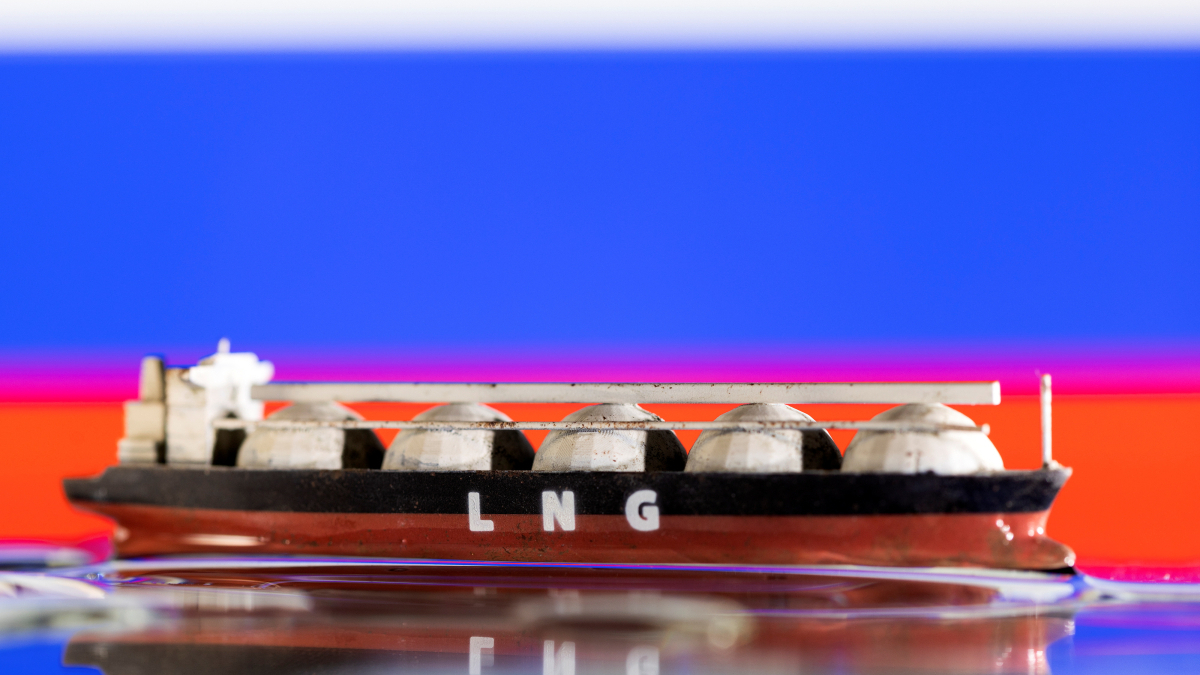
Switzerland will ban the import and purchase of Russian liquefied natural gas (LNG) from 25 April 2026 as part of its implementation of the European Union’s 19th sanctions package targeting Russia over the war in Ukraine.
The Swiss government confirmed that the measure will take effect on that date. However, existing long-term LNG supply contracts will be permitted to continue under a transitional arrangement until the end of 2026.
The restrictions form part of the European Union’s 19th sanctions package, adopted on 23 October 2025, which is designed to increase pressure on Moscow by targeting its energy, military-industrial and financial sectors.
According to Swiss authorities, the objective of the LNG ban is to reduce revenue generated by Russian fossil fuel exports, which remain a significant source of funding for Moscow’s military operations.
Energy and financial restrictions
Alongside the LNG import prohibition, Switzerland will introduce additional energy and financial measures.
The government will ban transactions involving certain cryptocurrencies linked to the Russian rouble and expand restrictions on digital asset services provided to Russian individuals and companies.
Authorities have also announced an expanded list of controlled goods deemed to contribute to Russia’s military and technological capabilities. The updated list includes metals used in weapons production and materials required for the manufacture of fuel and other strategic products.
Trade, technology and service restrictions
The sanctions package further tightens export controls on products supplied to Russia.
Swiss authorities said the new restrictions will cover selected high-technology and artificial intelligence-related services, as well as services connected to the tourism sector.
Ownership and investment limits will also be extended, including bans on acquiring or holding stakes in certain Russian companies.
In addition, Switzerland will require Russian diplomats accredited to the European Union to provide advance notice before entering Swiss territory.
Alignment with EU sanctions policy
Switzerland’s decision reflects its continued alignment with EU sanctions frameworks following the adoption of the 19th package.
The measures are intended to weaken Russia’s military and technological supply chains and increase economic pressure on Moscow in an effort to encourage diplomatic negotiations over the conflict in Ukraine.
The latest sanctions also include tightened trade restrictions on Belarus, a close ally of Russia, covering service bans, financial controls and selected cryptocurrency operations.
Swiss officials said the move forms part of a broader policy to limit revenue from fossil fuel exports while expanding economic and technological pressure on sanctioned entities.
The expansion comes amid continuing Western efforts to restrict Russia’s access to global energy and financial markets following the escalation of the war in Ukraine.
By implementing key elements of the EU sanctions package, Switzerland aims to maintain pressure on Russian economic sectors while preserving transitional arrangements for existing commercial commitments.













What is your opinion on this topic?
Leave the first comment