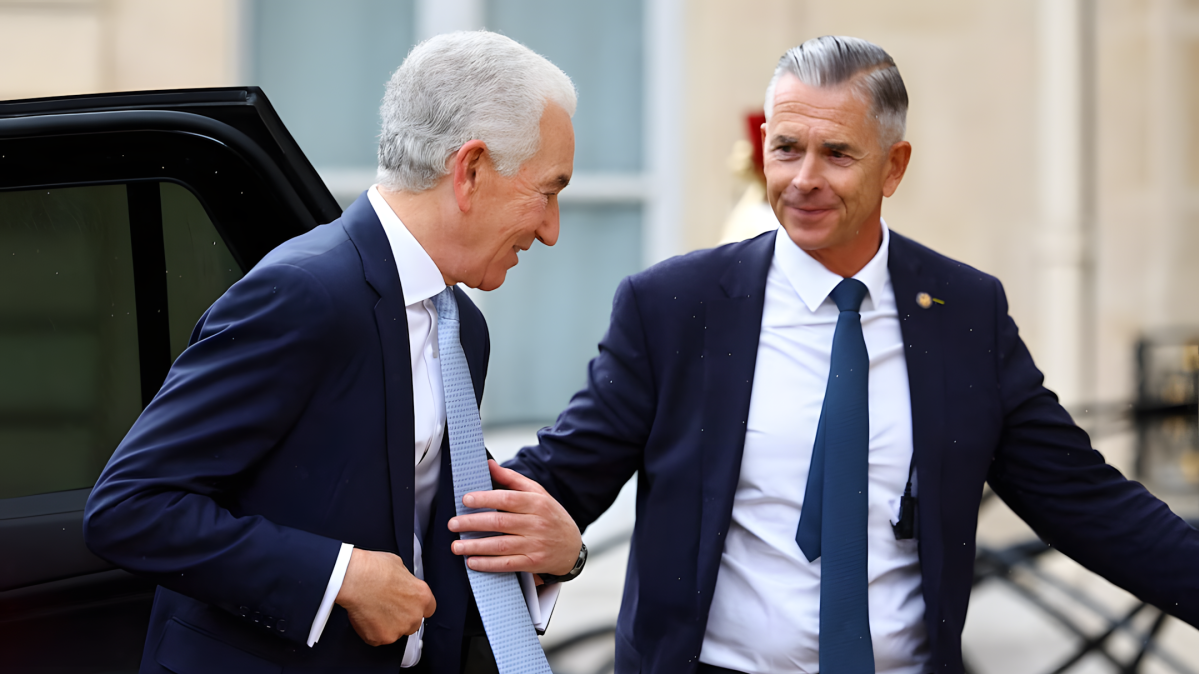
The U.S. ambassador to France, Charles Kushner, has been banned from meeting members of the French government after not showing up at the Foreign Affairs ministry, where he had been summoned over comments on the killing of a French far-right activist last week, diplomatic sources said on Monday.
However, he will regain full access to the French government after he explains his decision not to show up, France's Foreign Minister Jean-Noël Barrot said on Tuesday.
"He needs to be able to have this discussion with us, with the Quai d'Orsay (the Foreign Ministry), so that he can resume the normal exercise of his duties as ambassador in France," Barrot told France Info radio station.
Diplomatic sources stated that Kushner cited personal commitments for his absence and sent a senior embassy official in his place.
In a statement from the French foreign ministry it said that Kushner showed a failure to grasp the basic requirements of his diplomatic mission. The ministry confirmed he will no longer be allowed direct access to members of the French government. He will still be permitted to communicate with standard foreign ministry officials.
This marks Kushner’s second failure to attend a summoned meeting since his appointment last year.
He previously missed an August meeting regarding an open letter he wrote to French President Emmanuel Macron.
Activist's death
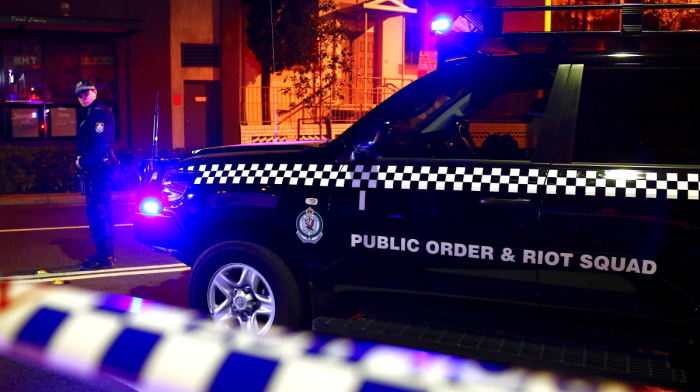
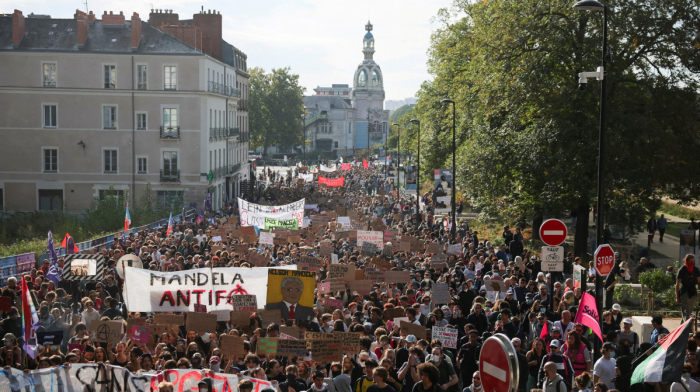
The diplomatic dispute centres on the death of 23-year-old Quentin Deranque who died from head injuries following clashes between radical left and far-right supporters in Lyon on 12 February. It was an incident that shocked the nation and has been called "France's Charlie Kirk moment", referring to last year's shooting of the U.S. conservative activist.
Six men have been charged in connection with the killing.
U.S. and international comments
The U.S. Embassy in France and the U.S. State Department's Bureau of Counterterrorism said they were monitoring the case, warning on X that "violent radical leftism was on the rise" and should be treated as a public safety threat.
The U.S. embassy in Paris subsequently posted a French translation of these remarks, which prompted the summons.
Barrot denounced the comments, stating that France rejects any attempts to exploit the incident for political ends.
He added that the country has no lessons to learn from the international reactionary movement.
The event also caused friction with Italy after Prime Minister Giorgia Meloni commented on the death, drawing criticism from Macron regarding interference in domestic affairs.













What is your opinion on this topic?
Leave the first comment