Saudi Arabia warns of wider regional threat after Houthi attack injures 11 civilians
Saudi Arabia has warned of a growing regional security threat after a Houthi attack wounded 11 civilians in the kingdom's southern Najran province, ra...
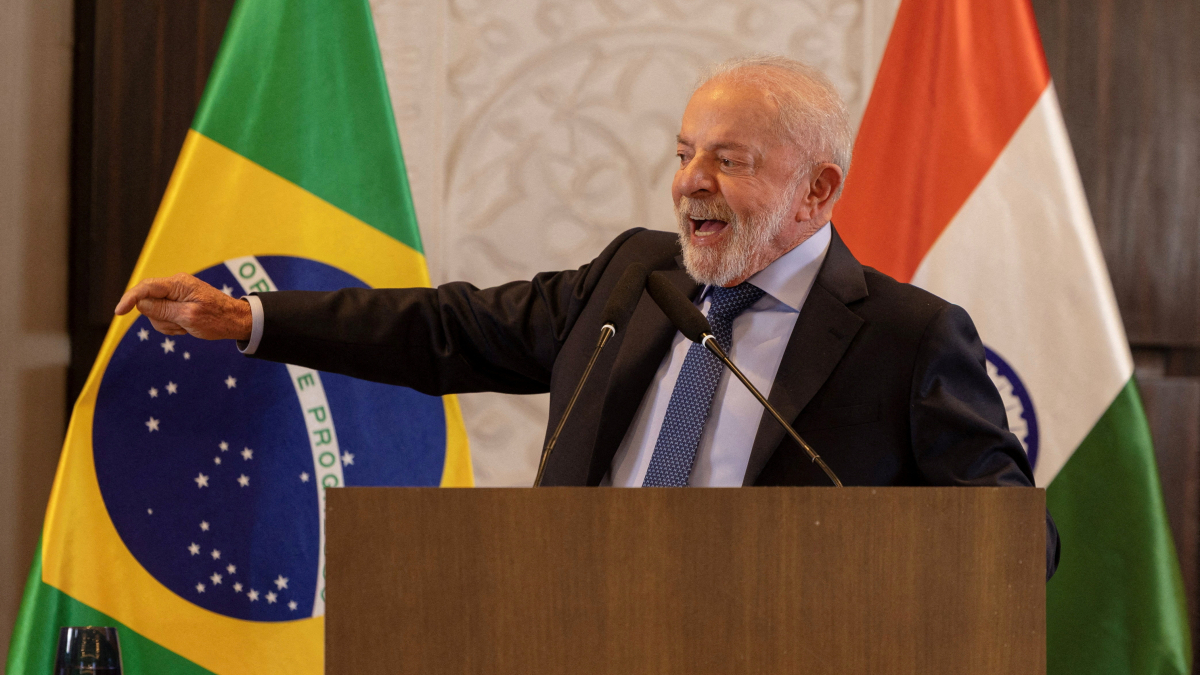
Brazilian President Luiz Inácio Lula da Silva has said he will urge U.S. President Donald Trump to avoid a "new Cold War" when the two leaders meet in Washington next month.
Speaking at the end of a three-day visit to India, Lula said Brazil did not want escalating geopolitical tensions and called on the United States to treat all countries equally.
“I want to tell U.S. President Donald Trump that we don't want a new Cold War,” Lula told reporters in New Delhi. “We don't want to interfere in any other country; we want all countries to be treated equally.”
Lula said he expected to meet Trump in the first week of March, adding that discussions would focus on trade, immigration, investment and university partnerships.
He declined to comment on Friday’s U.S. Supreme Court decision striking down many of Trump’s tariffs on global goods entering the U.S. Trump later said the measures would be replaced by 15% levies under a separate law.
Lula said he believed relations between the U.S. and Brazil would improve.
Ties between Brazil and the U.S. have fluctuated during the presidencies of Lula and Trump.
In 2025, Washington imposed tariff increases of up to 50% on a range of Brazilian exports, prompting criticism from Brasília that the measures were excessive.
Some of those additional tariffs were later rolled back, a move Lula welcomed as evidence that dialogue remained possible.
On 3 January 2026, Brazil also criticised U.S. military action in Venezuela, describing it as an "unacceptable line", a stance that added strain to bilateral relations despite continued diplomatic engagement.

Start your day informed with AnewZ Morning Brief. Here are the top news stories for the 5th of August, covering the latest developments.
U.S. President Donald Trump said there was an "all-day negotiation" on Tuesday with Iran, characterising the talks positively while also threatening to hit Iran "really hard" if a deal was not reached.
Shipping traffic through the Strait of Hormuz and the Bab el-Mandeb Strait, two key maritime chokepoints in the region, decreased significantly from the previous day, according to shipping data.
Start your day informed with AnewZ Morning Brief. Here are the top news stories for the 6th of August, covering the latest developments.
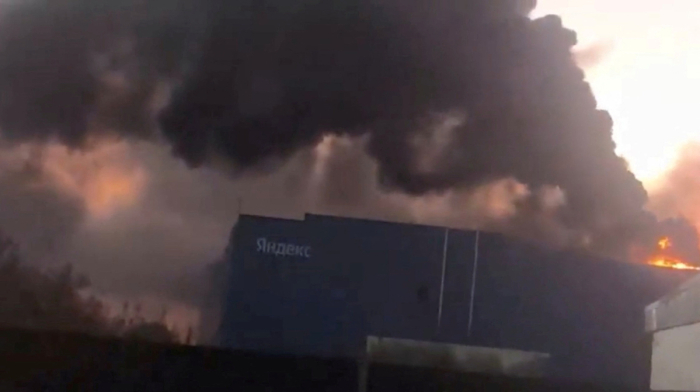
Kazakhstan’s main oil export corridor was disrupted by drone strikes near Russia’s Black Sea coast in July, forcing a temporary suspension of crude loadings and raising fresh concerns over the vulnerability of regional energy infrastructure to the war in Ukraine.
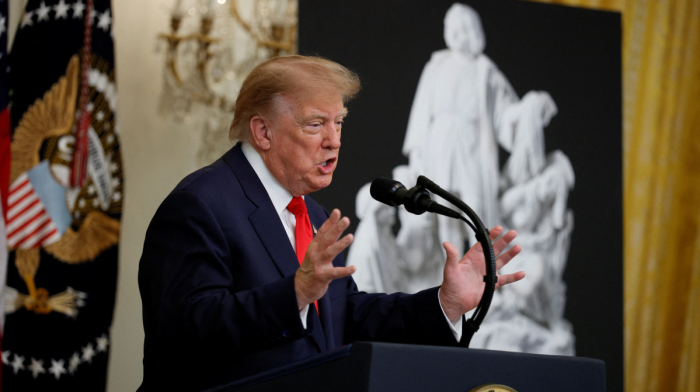
U.S. President Donald Trump has signed two executive orders aimed at narrowing access to birthright citizenship, reviving one of the central pledges of his immigration agenda despite a recent setback in the Supreme Court.
Mexican authorities are working to restore U.S. avocado export inspections after Washington suspended operations in the western state of Michoacán over security concerns.
Türkiye's ruling alliance on Wednesday (5 August) submitted a bill to parliament aimed at advancing peace with the outlawed PKK by offering legal protections to former militants who disarm.
Ukraine has warned that its ability to defend against Russian missile attacks is weakening as Moscow appears to be expanding its missile arsenal ahead of a possible winter campaign targeting critical infrastructure.
Azerbaijan and Ukraine are seeking to deepen cooperation in energy, reconstruction and trade, with Baku signalling its readiness to supply natural gas to Ukraine and expand its role in rebuilding projects following high-level talks in Kyiv.
You can download the AnewZ application from Play Store and the App Store.
What is your opinion on this topic?
Leave the first comment