The Kremlin has sought to lower expectations ahead of the latest round of Ukraine peace talks in Geneva, saying no announcements should be expected on Tuesday as negotiations continue behind closed doors.
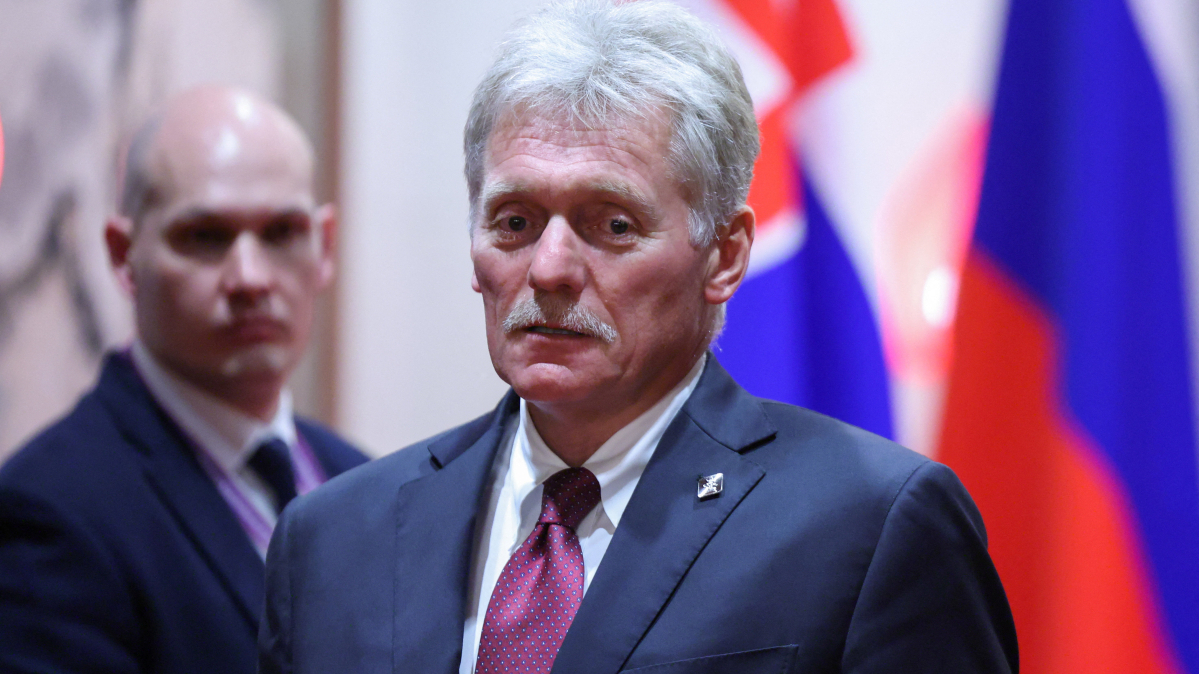
Speaking to reporters on 17 February, Kremlin spokesman Dmitry Peskov said discussions would resume on Wednesday, 18 February, with no statements planned for the day.
“I don’t think we should expect any news today, because, as you know, it is planned that the work will continue tomorrow. There are no statements or announcements planned for today,” Peskov said during a briefing, according to TASS.
Earlier, a Russian delegation led by presidential aide Vladimir Medinsky arrived in Geneva for negotiations on reaching a settlement in Ukraine.
The Geneva meetings are set to continue trilateral consultations between Russia, the United States and Ukraine. The first round of talks took place in Abu Dhabi on 23-24 January, followed by a second round in the same city on 4-5 February.
U.S. mediation efforts are being led by envoys Steve Witkoff and Jared Kushner, according to Western media reports, as Washington seeks to broker a framework for further negotiations.
Ukrainian President Volodymyr Zelenskyy has said Kyiv’s delegation is prepared to discuss security guarantees and humanitarian issues, while maintaining that Ukraine will not concede territory.
The talks come amid continued hostilities, with reports of intensified Russian drone and missile strikes in the run-up to the Geneva meeting, underscoring the fragile backdrop against which the diplomatic effort is unfolding.
Analysts say expectations for a breakthrough remain low, as key disagreements over territorial control and long-term security arrangements persist between Moscow and Kyiv.
Voices from the Shelters
Despite ongoing diplomatic efforts, Russia carried out heavy airstrikes overnight across swathes of Ukraine, inflicting severe damage on the power network in the southern port city of Odesa. President Volodymyr Zelenskyy said the attacks left tens of thousands without heat and water. As air raid sirens echoed across Kyiv, residents once again descended into underground shelters.
In the capital’s metro stations, where rows of tents have become a familiar sight during aerial bombardments, many Ukrainians voiced deep scepticism that the Geneva talks would produce meaningful results.
Oksana Reviakina, a 41-year-old internally displaced person from Melitopol, said she no longer trusted Russia and did not expect the negotiations to bring significant change, even though she wanted to believe they might. She described renewed missile strikes and the fear of living on the ninth floor of an apartment building during attacks, saying she and her neighbours were focused simply on staying alive. Her husband is serving in the army, and she said she has had no contact with him for a long time. Above all, she said, she wants the war to end, describing the strain as overwhelming for everyone.
Other residents sheltering underground expressed similar exhaustion. Alina Yemets, 27, said repeated rounds of talks and ceasefire discussions had left many doubtful. Still, she said, people are worn down by constant air alerts and attacks and desperately need even a brief respite. While her confidence in the negotiations is limited, she added that hope remains — because, as she put it, hope is the last thing people lose.
Diana Yanushevska, 24, said that while many Ukrainians feel a measure of hope whenever negotiations are announced, they also believe Russia cannot be trusted and do not expect meaningful concessions or improved conditions to emerge from the talks.
Analysts say expectations for a breakthrough remain low, as key disagreements over territorial control and long-term security arrangements persist between Moscow and Kyiv.
Russia currently occupies about 20% of Ukraine’s territory, including Crimea and parts of the eastern Donbas region seized before the 2022 invasion. As the fourth anniversary of the full-scale war approaches on February 24, continued fighting and strikes on energy infrastructure underscore the fragile backdrop against which the diplomatic effort is unfolding.
















What is your opinion on this topic?
Leave the first comment