The mother and widow of Russian opposition leader Alexei Navalny marked the second anniversary of his death on Monday, as European allies released an assessment saying he was poisoned, adding that the Russian state had the means, motive and opportunity to deploy the lethal toxin.
Navalny died in February 2024 while imprisoned in an Arctic penal colony, after being convicted of charges he denied.
Lyudmila Navalnaya, his mother, said the findings validated her belief that her son was murdered. “This confirms what we knew from the very beginning,” she said during a visit to his grave in Moscow.
“We knew that our son did not simply die in prison - he was murdered,” she added.
Navalny’s widow, Yulia Navalnaya, also observed the anniversary, writing on social media that “we have achieved truth and we will achieve justice one day too.”
She previously said that analysis of smuggled biological samples carried out by laboratories in two countries showed her husband had been murdered and challenged the facilities to publish their results.
During the 2024 Munich Security Conference, Yulia Navalnaya addressed delegates, calling on President Vladimir Putin to be held accountable.
“I was certain from the first day that my husband had been poisoned, but now there is proof ... I am grateful to the European states for the meticulous work they carried out over two years and for uncovering the truth,” she said.
In a statement issued on Saturday, European allies said Navalny was killed using a poison derived from a dart frog toxin and that Moscow had “the means, motive and opportunity” to administer it.
They called for Russia to be held accountable for its alleged violations of the Chemical Weapons Convention and, in this instance, the Biological and Toxin Weapons Convention.
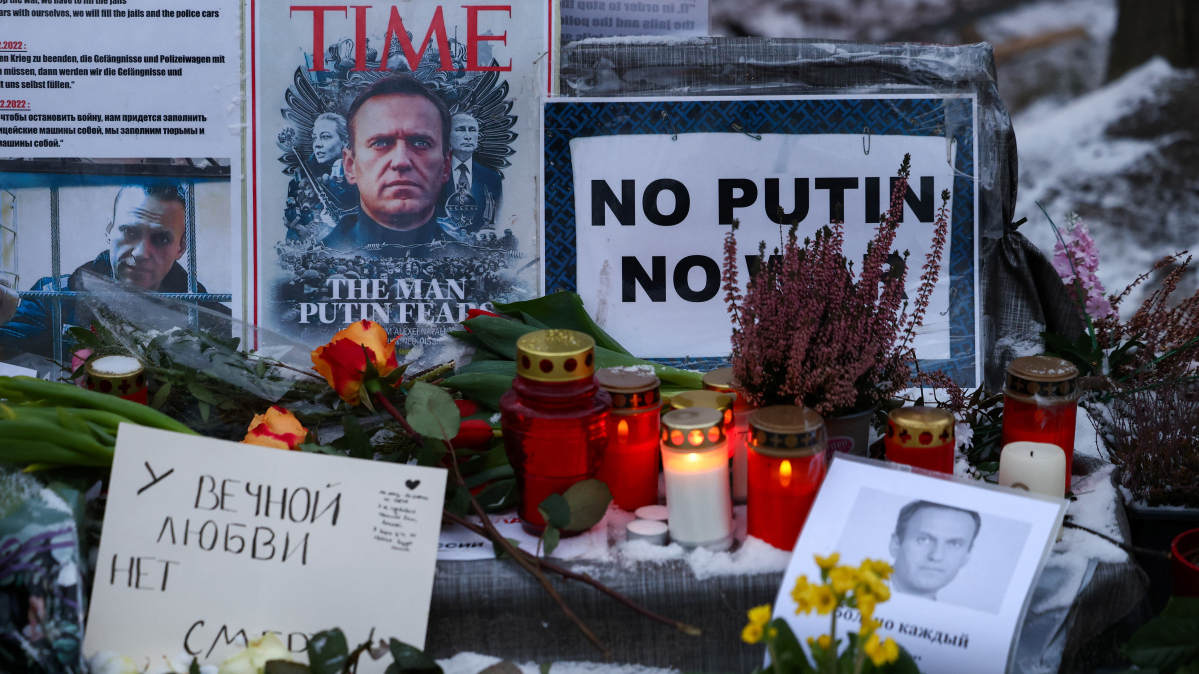
Navalny’s death sparked memorials and protests across Europe, including in London, Berlin, Vilnius and Rome, condemning the Kremlin and demanding accountability.
Kremlin's response
Russia has firmly rejected the allegations.
Kremlin spokesman Dmitry Peskov said on Monday, “Of course, we do not accept such accusations. We disagree with them, we consider them biased and unfounded. And, in fact, we resolutely reject them.”
Maria Zakharova, the Russian Foreign Ministry spokesperson, called the European findings “a Western propaganda hoax,” adding that Russia would comment once test results and formulas were disclosed.












What is your opinion on this topic?
Leave the first comment