live U.S. launches fresh Iran strikes as Tehran retaliates in Gulf
The U.S. military said on Wednesday it launched fresh strikes on Iran to keep the Strait of Hormuz open to shipping, triggering Iranian attacks on Kuw...
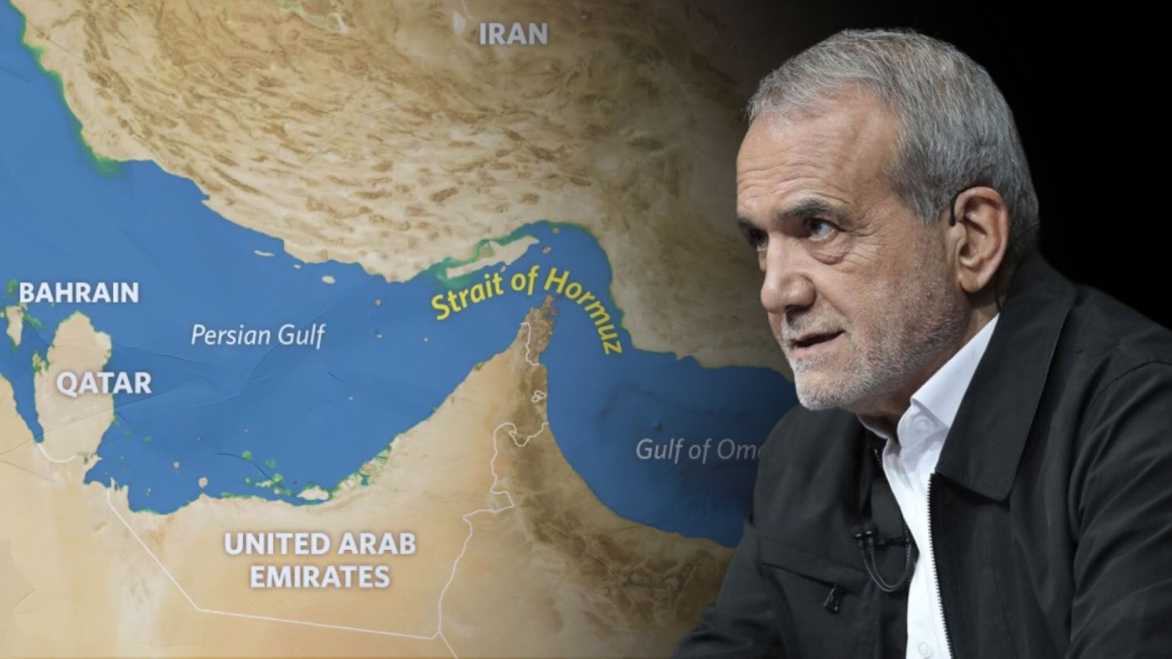
Iran’s Revolutionary Guards navy held military exercises in the Strait of Hormuz on Monday (16 February), state-linked media reported. The drill took place a day before renewed nuclear negotiations between Tehran and Washington in Geneva.
The drill, named “Smart Control of Hormuz Strait”, was conducted in the strategic waterway through which roughly 20% of global oil shipments pass, according to the semi-official Tasnim news agency.
The exercise was organised to assess the preparedness of operational forces in the face of “possible security and military threats”, the report said.
The Strait of Hormuz, a narrow passage between Iran and Oman, is one of the world’s most critical energy chokepoints, linking Gulf oil producers to international markets. Any disruption to shipping there can have immediate effects on global energy prices and supply chains.
The manoeuvres took place as Iranian and U.S. officials prepared to resume talks over Tehran’s nuclear programme. While Iranian authorities did not directly link the drill to the negotiations, the timing underscores ongoing regional tensions and Tehran’s emphasis on safeguarding its maritime interests.
Iran has previously staged similar exercises in and around the Strait during periods of heightened friction with Western powers.
The Revolutionary Guards navy, which operates alongside Iran’s regular navy, plays a central role in patrols and security operations in the Gulf waters.

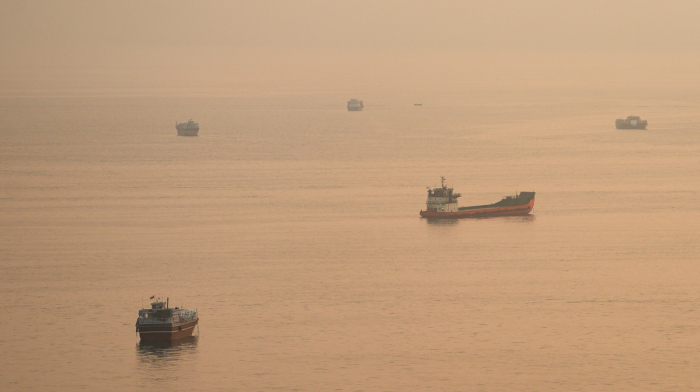
The U.S. says it has launched strikes on Iran after alleged attacks on three commercial vessels in the Strait of Hormuz. Washington described the action as a response to threats against civilian shipping and a breach of the ceasefire.
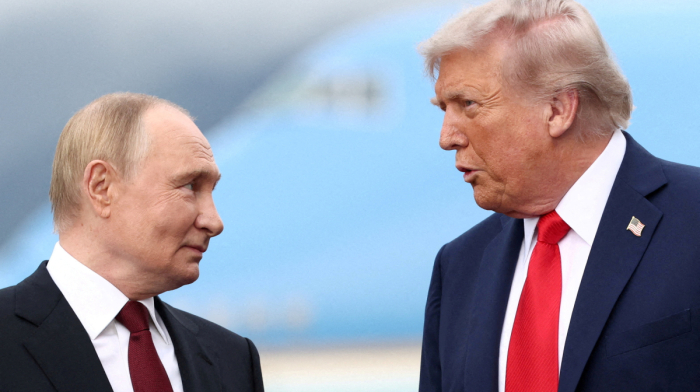
U.S. President Donald Trump said on Wednesday that the memorandum of understanding signed with Iran to end the conflict was "over", adding he did not want to engage with Tehran, calling the Iranian leadership "sick people".
NATO leaders are unveiling multi-billion-dollar arms deals in Ankara as President Donald Trump joins the summit, highlighting Europe's increased defence spending amid tensions over Russia and Iran, and following years of U.S. criticism of the alliance.
Mark Rutte, Secretary General of NATO, has described fresh U.S. strikes on Iran as "absolutely necessary," in remarks at the start of the second day of the alliance's sumit in the Turkish capital Ankara.
Start your day informed with the AnewZ Morning Brief. Here are the top stories for the 8th of July, covering the latest developments you need to know.
China's technology sector is producing billion-dollar startups at its fastest pace in nearly five years, with artificial intelligence and robotics driving a new wave of investment that is reshaping the country's innovation economy.
Western Europe experienced its hottest June since records began in 2026, according to the Copernicus Climate Change Service (C3S). The record-breaking month brought extreme heat, widespread disruption and thousands of excess deaths across parts of the continent.
South Korea's Supreme Court has upheld former President Yoon Suk Yeol's seven-year prison sentence in a case linked to his 2024 attempt to impose martial law.
Germany has reached an agreement with the U.S. to purchase Tomahawk cruise missiles and deploy them on German territory, Chancellor Friedrich Merz told lawmakers in Berlin on Thursday.
Australia and India have finalised an agreement allowing Australian uranium exports for India's nuclear energy sector, expanding cooperation on clean energy, critical minerals and infrastructure as the two countries strengthen their strategic and economic partnership.
You can download the AnewZ application from Play Store and the App Store.
What is your opinion on this topic?
Leave the first comment