Iran’s Foreign Ministry has strongly condemned the Gulf Cooperation Council (GCC) for its support of the claims by United Arab Emirates on three Iranian islands.
They also condemned its support of Kuwait’s claim over Arash gas field in the Persian Gulf.
Foreign Ministry spokesman Esmaeil Baghaei rejected as “unfounded” the GCC summit’s final communique in Manama, Bahrain on Wednesday stressing that islands of Abu Musa, Greater Tunb, and Lesser Tunb are “inseparable parts” of Iran.
“The Iranian islands of Abu Musa, Greater Tunb, and Lesser Tunb are inseparable parts of Iran's territory, and any claim on them is fundamentally baseless and invalid, and clearly contrary to the principle of respect for the territorial integrity of countries and good neighbourliness,” he said in a press release on Thursday.
Iran’s ownership of the three islands has been confirmed through historical, legal, and geographical evidence, but Abu Dhabi has repeated its claim over the Persian Gulf islands.
The Islands were under British colonial rule since 1921, but a day after its forces left the region and days before the UAE became independent and was established on 2nd December 1971, Iran’s sovereignty over the islands was restored.
Greater Tunb and Lesser Tunb which are about 12 kilometres apart are in the eastern Persian Gulf near the Strait of Hormuz, in the same region of the third disputed Island Abu Musa.
The spokesman also stated that issuance of repeated statements and making unilateral claims on Arash field do not create any rights for Kuwaiti government from a legal perspective.
“To reach a fair and lasting agreement regarding this field requires bilateral dialogue, joint efforts, and creating a positive and constructive atmosphere to ensure mutual benefits,” he added.
Tehran maintains that it enjoys established rights in the shared Arash gas field also known as al-Dorra in Arabic asserting that the offshore natural gas field discovered in 1967 is a joint field between Iran and Kuwait.
Ali-Akbar Velayati, international affairs adviser of supreme leader, condemned the GCC claims against Iran’s territorial integrity, stating the fact that the Persian Gulf islands and Arash field are an inseparable part of Iran and their status will not change by a political communique.
“The three islands and the Arash oil field were, are, and will remain an inseparable part of Iran’s territory, and this truth will not change with any political statement,” he stressed in an interview with a local news agency.
Ali Shamkhani, representative of supreme leader in Defence Council, also warned southern Persian Gulf countries that the three islands and Arash gas field are “red lines” of Iran.
“Iran's authority in the Persian Gulf should not be misinterpreted. The role of neighbours is to create security, not to play with the red lines of the Iranian nation,” he said in a post on X.
“The claims of the (Gulf) Cooperation Council regarding the Iranian islands and the Arash field are unconstructive in the midst of the evil of the US and the Zionist regime. Iran showed restraint in the 12-day war despite some support for aggression.”
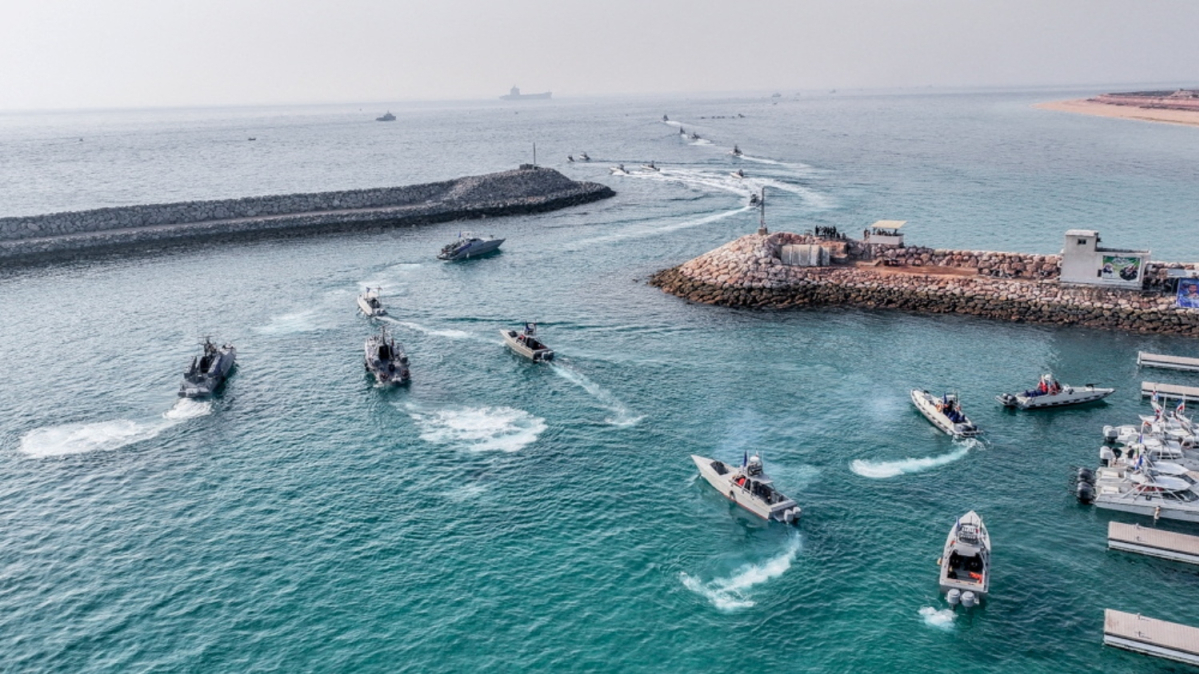
Following the GCC statement, Iran launched a two-day naval military exercise on Thursday in the Persian Gulf, the Hormuz Strait and Sea of Oman as well as the islands of Abu Musa, Greater Tunb, Lesser Tunb, and Siri.
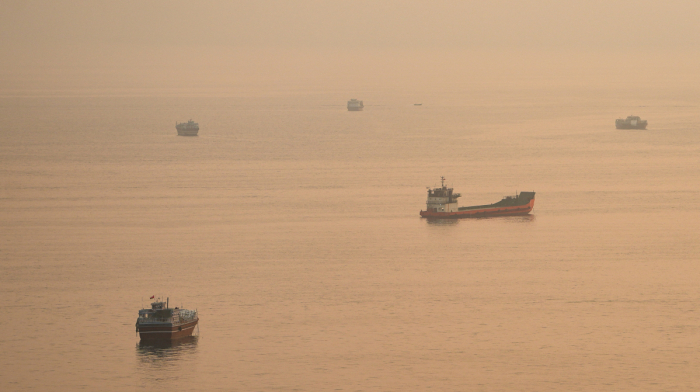
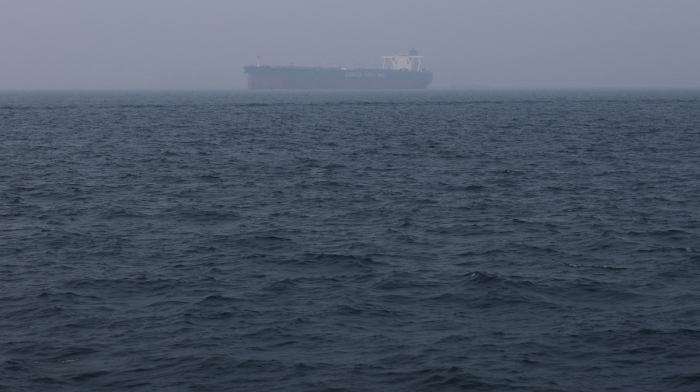
The Strait of Hormuz where Iran staged the wargames connects the Persian Gulf to the Gulf of Oman and is a key waterway for the transit of oil and natural gas to global markets.
Iran has at times warned that it could restrict the strait’s traffic during heightened tension.












What is your opinion on this topic?
Leave the first comment