Start your day informed with AnewZ Morning Brief: here are the top news stories for the 16th of February, covering the latest developments you need to know.
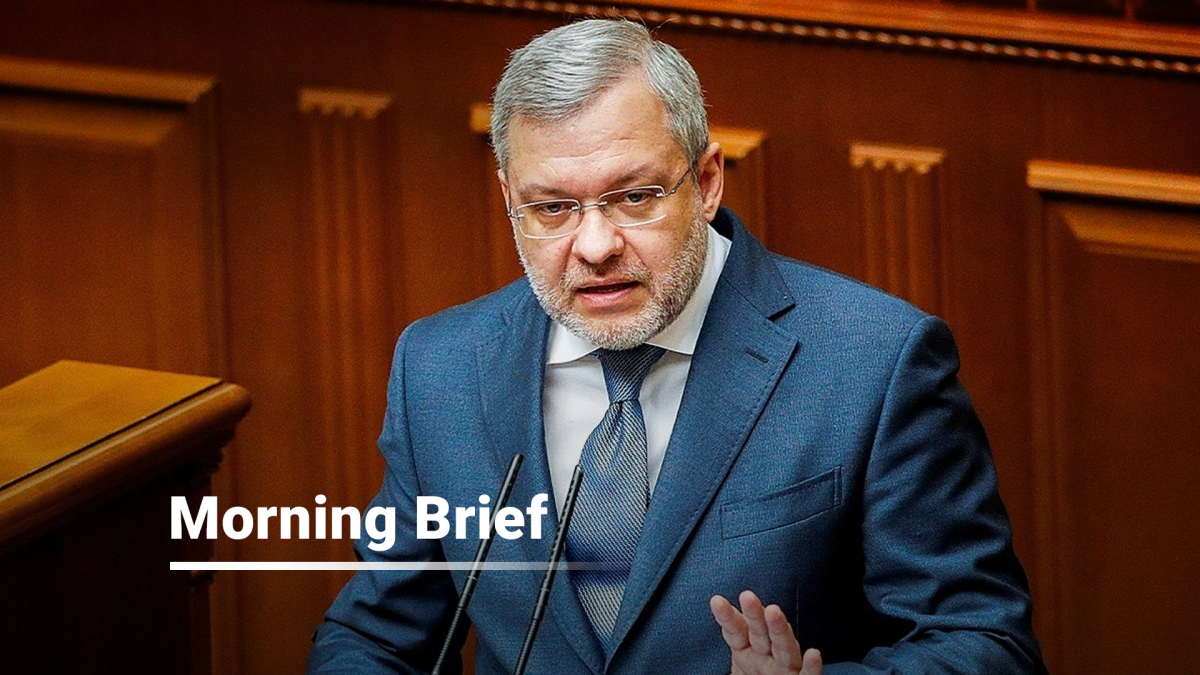
Ukraine detains former energy minister in alleged $100million corruption inquiry
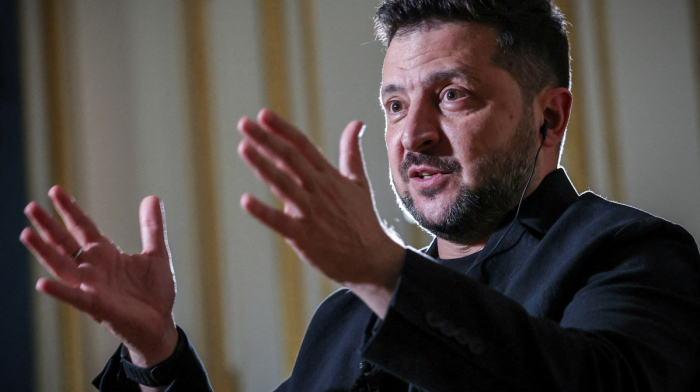
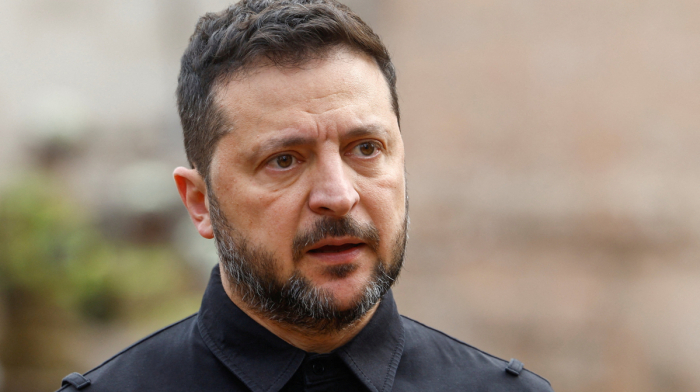
Former Ukrainian Energy Minister German Galushchenko has been arrested by anti-corruption detectives while attempting to flee the country. The arrest forms part of the ‘Midas’ investigation into an alleged $100 million (£80m) kickback scheme involving the state nuclear operator, Energoatom, which previously prompted his resignation. The move underscores Kyiv’s intensified efforts to root out graft within the energy sector, a crucial requirement for the nation’s European Union accession bid.
UK and German defence chiefs: Rearmament is a ‘moral’ duty
In an unprecedented joint appeal, the military chiefs of Britain and Germany have urged the public to accept the moral necessity of rearmament to counter the growing threat from Russia. Writing in The Guardian newspaper, Air Chief Marshal Sir Richard Knighton and General Carsten Breuer argued that strengthening industrial capacity and defence spending is not ‘warmongering’ but essential deterrence. They warned that Moscow’s military posture has shifted decisively westward, requiring a unified European response to preserve peace and security.
Iran signals readiness for nuclear compromise ahead of Geneva talks
Tehran has signalled a readiness to compromise on its nuclear programme in exchange for economic benefits and sanctions relief ahead of renewed talks with Washington. With a U.S. delegation led by Jared Kushner and Steve Witkoff due to meet Iranian officials in Geneva this week, Iranian diplomats have struck a conciliatory note, suggesting potential flexibility on uranium enrichment. However, tensions remain, as the U.S. has dispatched a second aircraft carrier to the region to underpin diplomacy with the threat of military force.
U.S. backs European report attributing Navalny death to frog toxin
U.S. Secretary of State Marco Rubio has backed a report by five European allies concluding that late Kremlin critic Alexei Navalny was killed with a lethal toxin derived from poison dart frogs. On the second anniversary of his death in a Russian penal colony, nations including the UK and Germany stated that forensic analysis confirmed the presence of epibatidine, accusing Moscow of deliberate poisoning. While the Kremlin dismissed the findings as a ‘propaganda hoax’, Western leaders maintain that only the Russian state possessed the means and motive for the assassination.
Italy to join Trump’s ‘Board of Peace’ as observer
Prime Minister Giorgia Meloni has confirmed that Italy will participate as an observer in President Donald Trump’s ‘Board of Peace’ initiative, citing constitutional constraints that prevent full membership. Speaking ahead of the body’s inaugural leadership meeting in Washington on Thursday, Meloni described the move as a solution to support Middle East peacemaking efforts while adhering to Italian law. The initiative, launched in Davos, aims to foster a settlement in Gaza and has invited various European partners to engage in a similar capacity.











What is your opinion on this topic?
Leave the first comment